
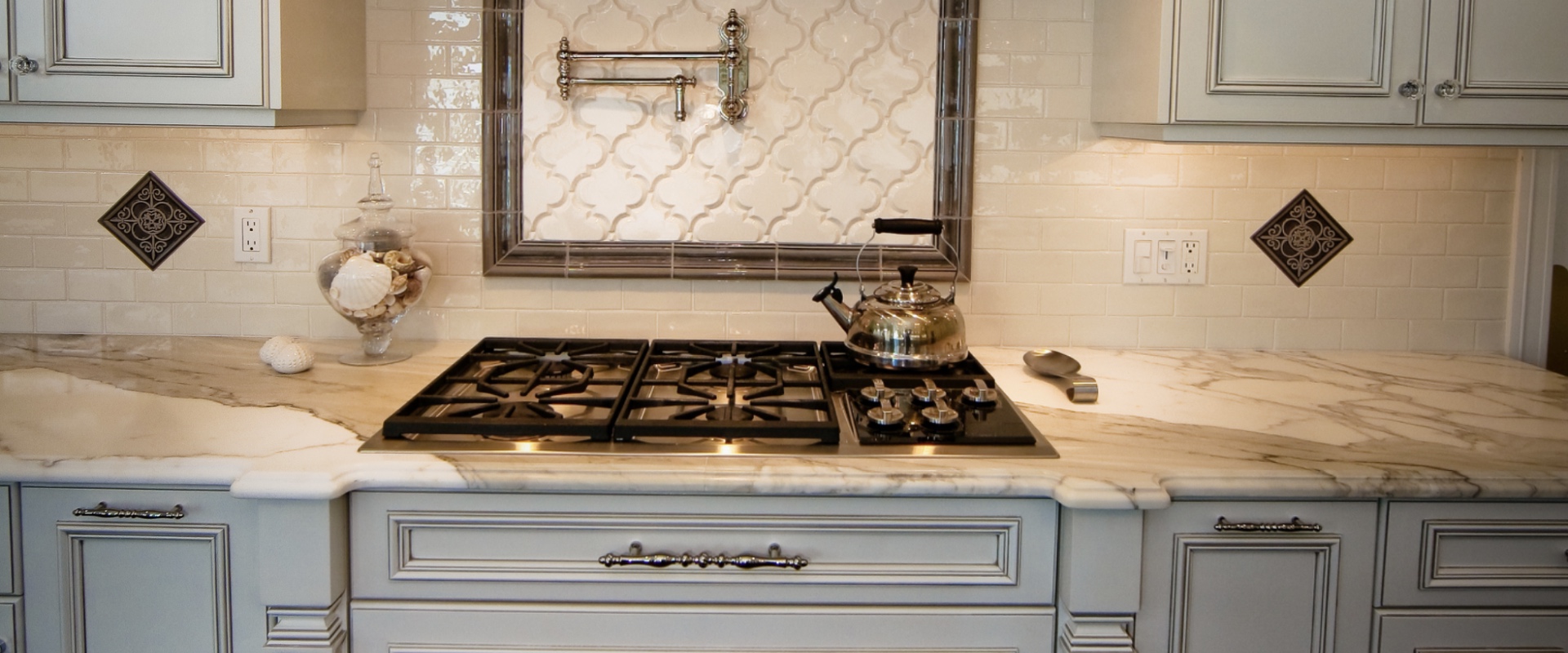
Cabinet choice shapes more than the look of a remodel. It affects budget, storage, daily use, and how long the room holds up. When we compare cabinet options for kitchens and bathrooms, the first big choice is usually stock, semi-custom, or custom. After that, door style, material, and finish decide how the space feels.
Many of us get better results when we plan cabinets as part of a full remodel, especially if floors, counters, or tile are changing too. If we’re weighing a broader update, kitchen remodeling in Alpharetta can help us line up the work in the right order. We can also call 470-352-1156 for a free estimate, and if we show a written quote from another contractor for comparable scope and materials, we beat it by 5%.
Start with the three cabinet types most homeowners compare
Before we choose colors or hardware, we need to narrow the cabinet category. That first decision sets the price range, lead time, and how much freedom we have with size and storage features.
Stock cabinets work best when we need a simple, budget-friendly update
Stock cabinets are pre-made in standard sizes. Because they are mass produced, they are often the fastest option to order and install. They also tend to be the lowest-cost choice.
That makes them a practical fit for rental updates, resale prep, and remodels with a firm budget. If the room layout is simple, stock cabinets can look clean and polished without stretching the project cost. We often see them work well in smaller bathrooms too, where standard vanity sizes fit easily.
The trade-off is flexibility. We get fewer size choices, fewer finish options, and fewer built-in upgrades. So if the wall is slightly off, or the room has an odd corner, stock cabinets may leave wasted space.
Semi-custom cabinets give us more flexibility without full custom pricing
Semi-custom cabinets sit in the middle, and for many homes, that’s the sweet spot. We can often adjust finish, depth, storage accessories, and some cabinet dimensions. That extra flexibility usually gives the room a better fit and a more intentional look.
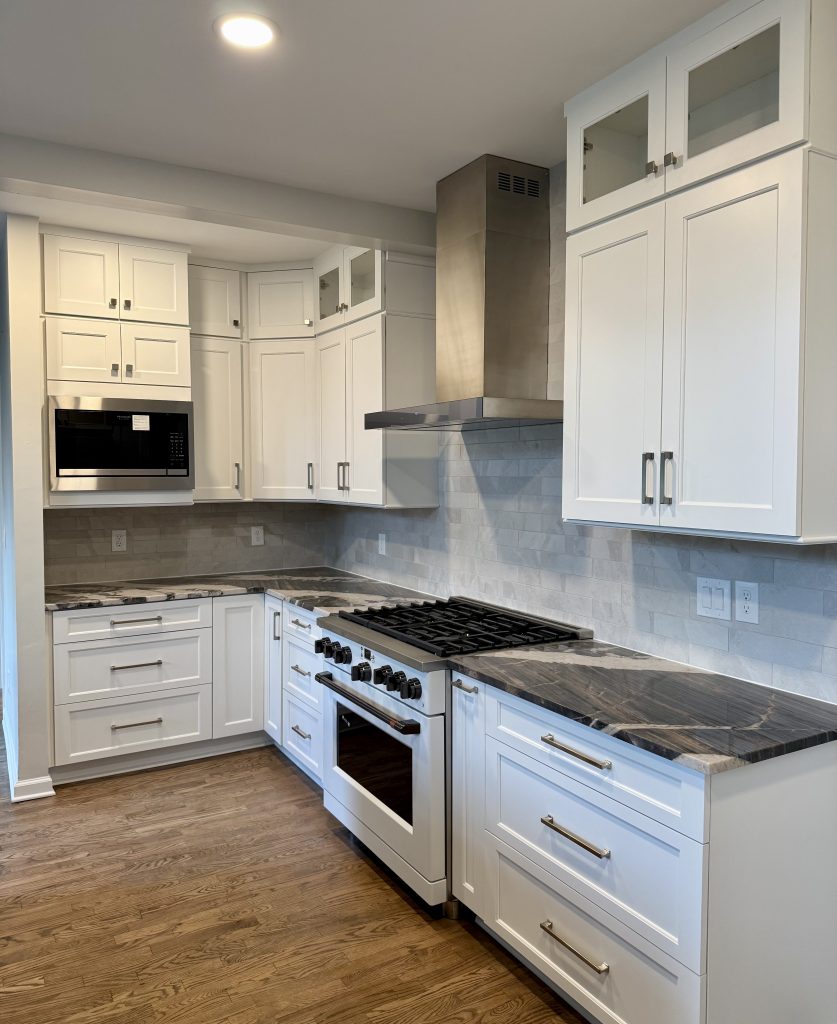
They cost more than stock, but they often feel like money better spent. In kitchens, semi-custom lines can add pull-outs, drawer dividers, tray storage, and other features that make daily use easier. Shipping times are usually longer than stock, yet the better fit often justifies the wait.
If we’re still deciding how large the remodel should be, this partial vs full kitchen remodel guide can help us match cabinet investment to the full project scope.
Custom cabinets make sense when the room needs a perfect fit
Custom cabinets are built for the exact space. That gives us full control over dimensions, finish details, storage layout, and style. In older homes, unusual layouts often make custom work worth the price.
Custom also shines in premium remodels where every inch matters. If we want ceiling-height storage, a built-in coffee station, or a vanity designed around a tricky wall, custom cabinets can solve the problem cleanly.
Still, custom cabinets bring the highest cost and the longest timeline. They’re best when the room has real layout challenges, or when we’re building a long-term home and want a precise fit.
Choose cabinet materials that fit your room, budget, and daily use
Cabinet type tells us how the cabinets are made. Material tells us how well they may wear over time. In kitchens and baths, that matters because heat, spills, and humidity don’t treat every product the same way.
Solid wood and plywood offer better strength for long-term use
When we want better durability, solid wood doors and plywood cabinet boxes are often the safer bet. They usually feel stronger, hold fasteners better, and stand up well to years of use. That’s one reason they show up in many better-built cabinet lines.
Popular wood species include oak, maple, and cherry. Each has a different grain and color pattern, yet all can work with paint or stain. Oak gives more visible grain. Maple tends to look smoother. Cherry adds richer tone and depth.
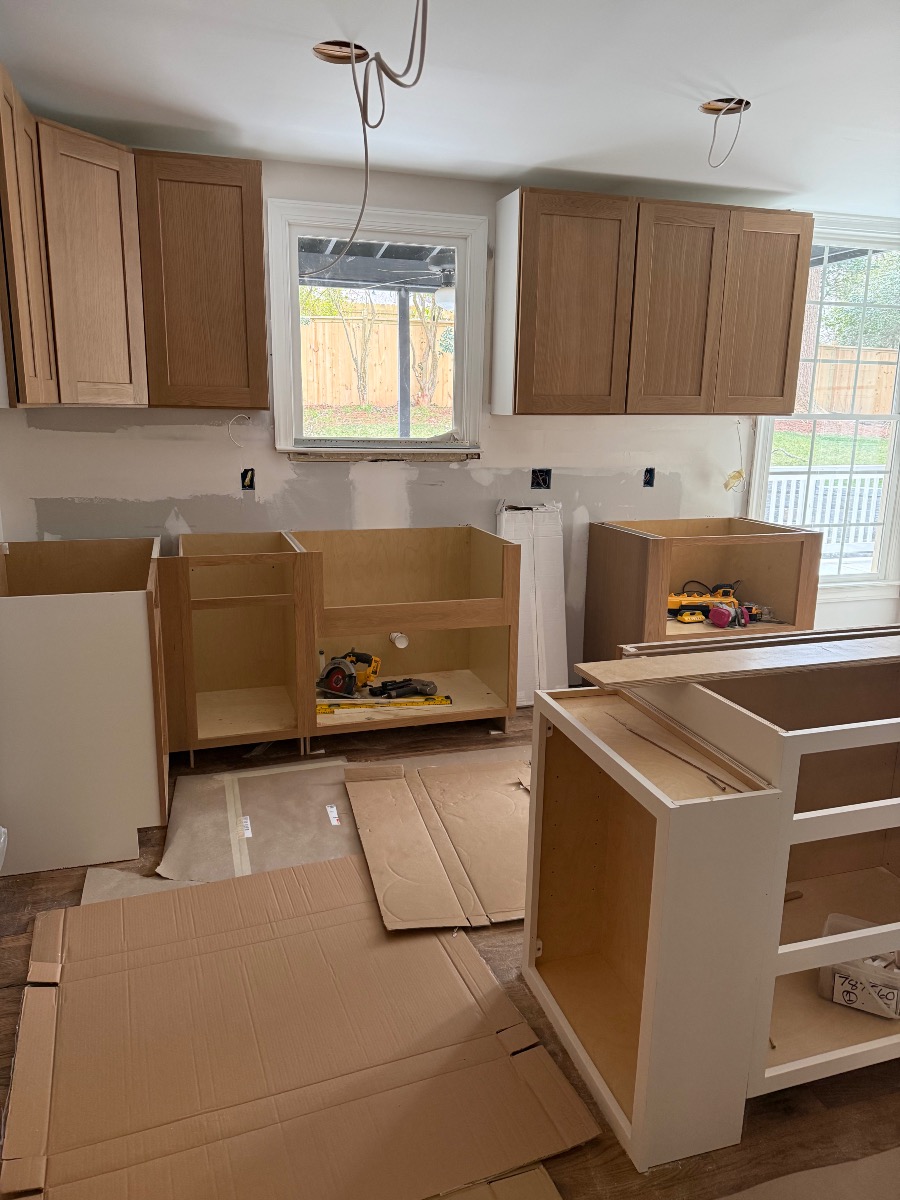
In 2026, darker stained woods are getting more attention again, especially in bathrooms and statement islands. Warm walnut-like and medium brown tones feel calmer than the cold grays that dominated for years. In humid rooms, such as those included in bathroom and shower remodeling, we also want finishes and box materials that handle moisture well.
Laminate and thermofoil can lower costs, but they have trade-offs
Laminate can be a smart low-maintenance option. It cleans easily, resists many stains, and handles moisture better than some painted surfaces. That can make it useful in bathrooms, laundry spaces, and busy homes.
Thermofoil also lowers cost. It gives a smooth, wrapped finish and often fits modern cabinet styles. However, heat and wear can cause peeling over time, especially near ovens or areas with heavy use.
So the choice isn’t simple good versus bad. It’s more about where the cabinets are going, how hard the room works, and how long we want the remodel to last.
A cabinet that looks great on day one still has to survive wet hands, slammed drawers, and daily traffic.
Pick a cabinet door style that matches the look of the remodel
Many homeowners mix up cabinet type and cabinet style. They are not the same. Stock, semi-custom, and custom describe how the cabinets are built. Door style decides the final visual tone.
Shaker cabinets stay popular because they fit almost any home
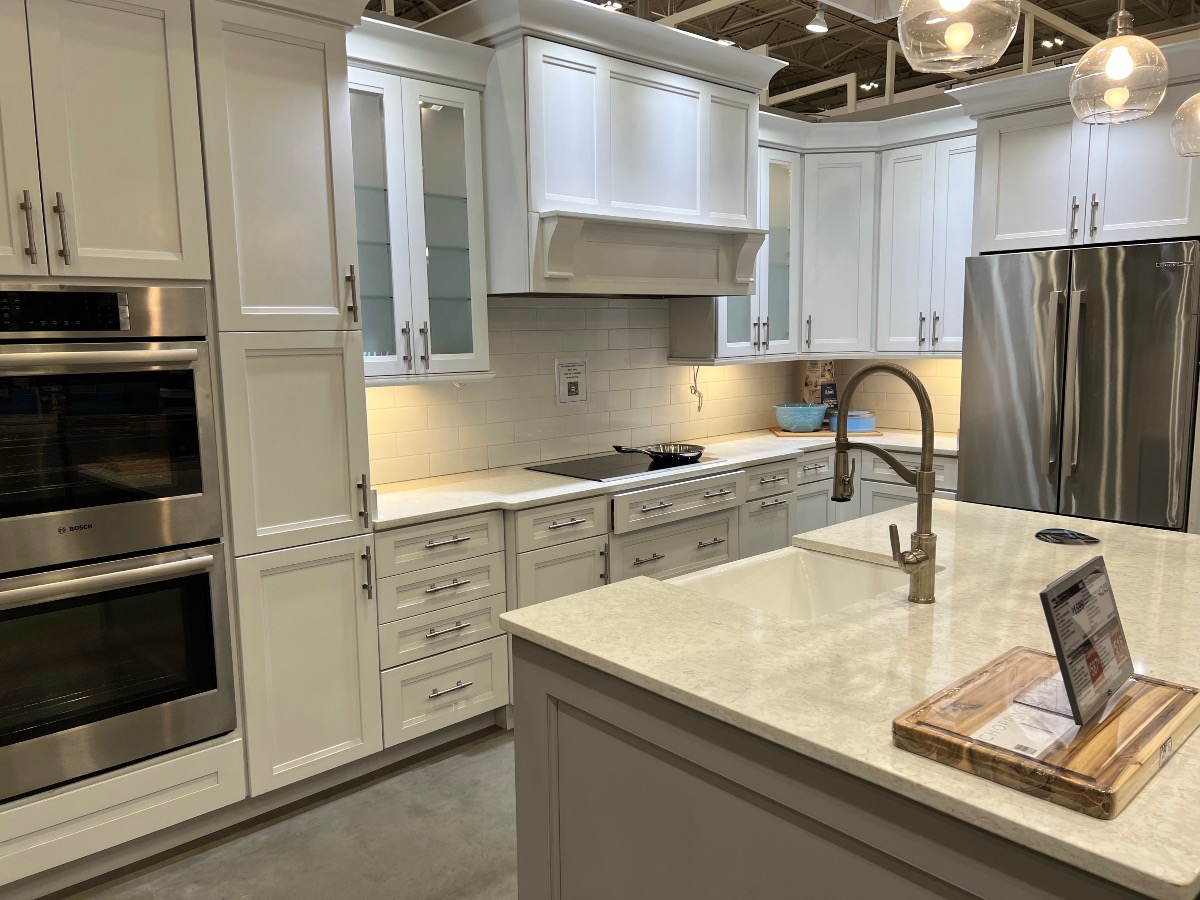
Shaker doors remain popular for one clear reason. They work with almost everything. Their clean frame and simple center panel can lean farmhouse, traditional, or transitional without feeling locked into one trend.
That flexibility makes shaker a safe choice for kitchens and bathrooms. It pairs well with quartz, subway tile, wood floors, patterned tile, and plain painted walls. In other words, it gives us room to change other finishes later.
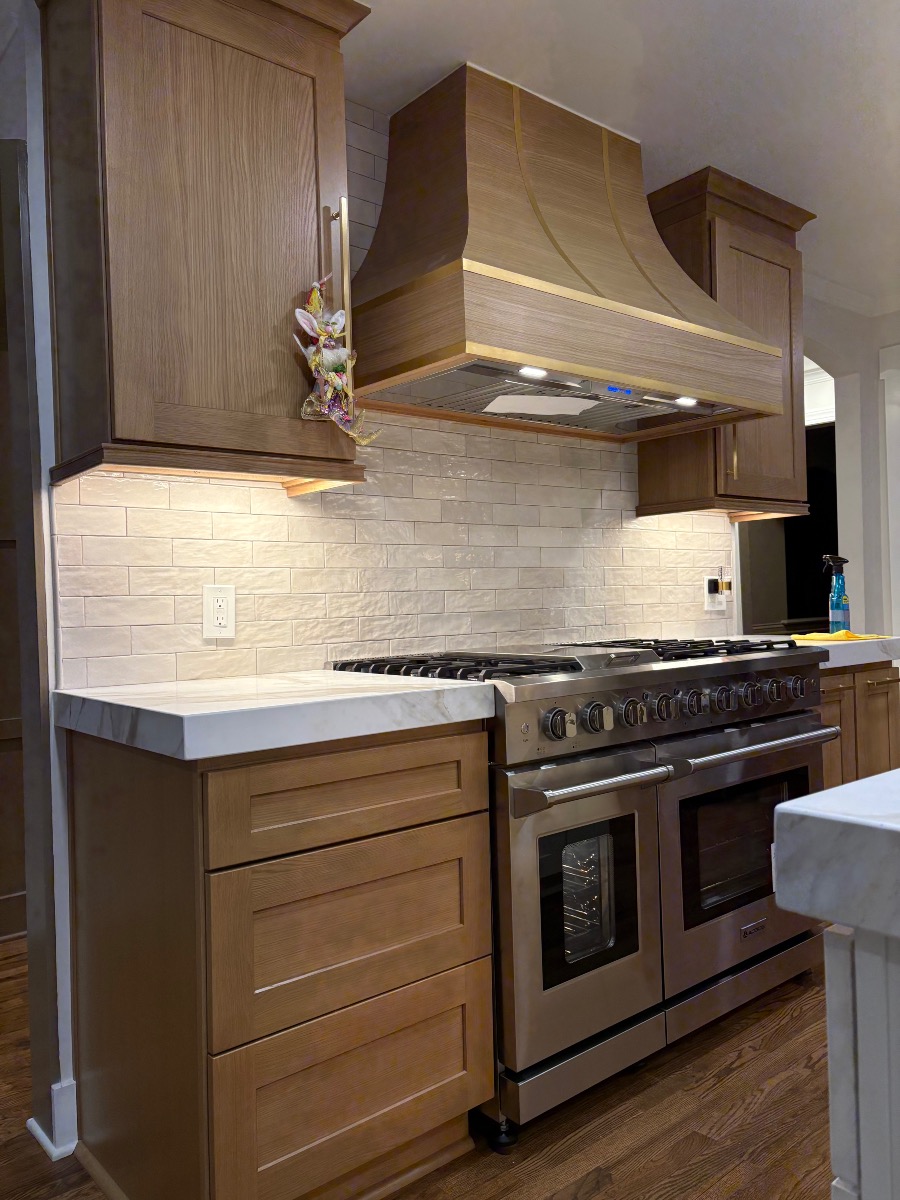
Shaker cabinets also take paint and stain well. That’s helpful if we want warm white, taupe, greige, or a natural wood tone. Right now, softer neutrals feel stronger than stark white because they add warmth without feeling busy.
Slab, inset, and overlay doors each change the finished feel
Slab doors, also called flat-panel doors, create a sleek modern look. They have no frame detail, so the room reads cleaner and more minimal. In 2026, flat-panel and frameless European-style cabinets are getting more attention, especially in modern baths and kitchens.
Inset doors sit inside the cabinet frame. That gives a furniture-like appearance and a more tailored look. They often cost more because the fit has to be precise.
Overlay doors are the most common. They cover part or most of the cabinet frame, depending on the design. Full overlay styles can look clean and current without the extra cost of inset construction.
Match the right cabinet choice to your remodel goals
Once we understand the options, the best choice comes down to project goals. Budget, timing, storage needs, and room condition should guide the decision more than trend photos.
Here is a quick comparison:
| Remodel goal | Cabinet choice that often fits best | Why |
|---|---|---|
| Tight budget | Stock | Lower cost and faster turnaround |
| Fast timeline | Stock or simple semi-custom | Fewer delays and easier planning |
| Better storage | Semi-custom or custom | More organizers and better fit |
| Older home layout | Custom | Solves uneven walls and odd spaces |
| Resale prep | Stock or semi-custom | Clean look without overbuilding |
Best cabinet options for tight budgets, fast timelines, and resale projects
When cost control matters most, stock cabinets or basic semi-custom lines are usually the smart pick. We can still create a finished look with better hardware, good counters, and well-chosen paint. The cabinets don’t have to be top tier to look intentional.
This is also where surrounding surfaces matter. Pairing cabinets with professional flooring installation services can lift the whole room and make simpler cabinets feel more complete.
Best cabinet options for custom storage, older homes, and premium remodels
Semi-custom and custom cabinets usually give better results when the room fights us. Older homes rarely offer perfect walls and standard openings. In those rooms, a better fit often saves frustration later.
Storage upgrades also matter more than many of us expect. Pull-out trays, trash pull-outs, drawer organizers, spice storage, and deeper drawers make the space easier to use every day. Those features may not grab attention in a showroom, yet they often become the parts we value most after the remodel is done.
Use current cabinet trends carefully so the remodel still looks good years from now
Trends can help us freshen a space, but they shouldn’t run the whole job. In April 2026, warm neutrals like taupe, greige, and mushroom still feel strong. Dark wood tones are gaining ground, and frameless European-style cabinets are showing up more often. Matte finishes also remain popular because they hide smudges better than glossy ones.
Timeless choices usually give us the safest long-term value
Simple door styles, balanced layouts, and practical storage tend to age well. That doesn’t mean the room has to look plain. We can still add personality through lighting, hardware, tile, and counter material.
Warm metal hardware, such as brushed brass or warm nickel, can also update a kitchen or bath without forcing a trendy cabinet color that may feel dated later.
Smart upgrades matter more than chasing every new look
The best upgrades are usually the ones we use every day. Soft-close drawers, pull-out trays, trash pull-outs, moisture-resistant finishes, and built-in organizers improve comfort right away.
Those choices also help the room work harder. A remodel should not feel like a costume change. It should feel like the room finally learned how to do its job.
Cabinets affect cost, storage, and style all at once. So our best path is simple: first choose stock, semi-custom, or custom, then compare materials, then select a door style that fits the home. The right answer depends on budget, layout, and how we use the room every day.
If we’re ready to compare cabinet options for a kitchen or bath remodel, we can call 470-352-1156 for a free estimate. If we show a written quote from any other contractor for comparable scope and materials, we beat it by 5%.