
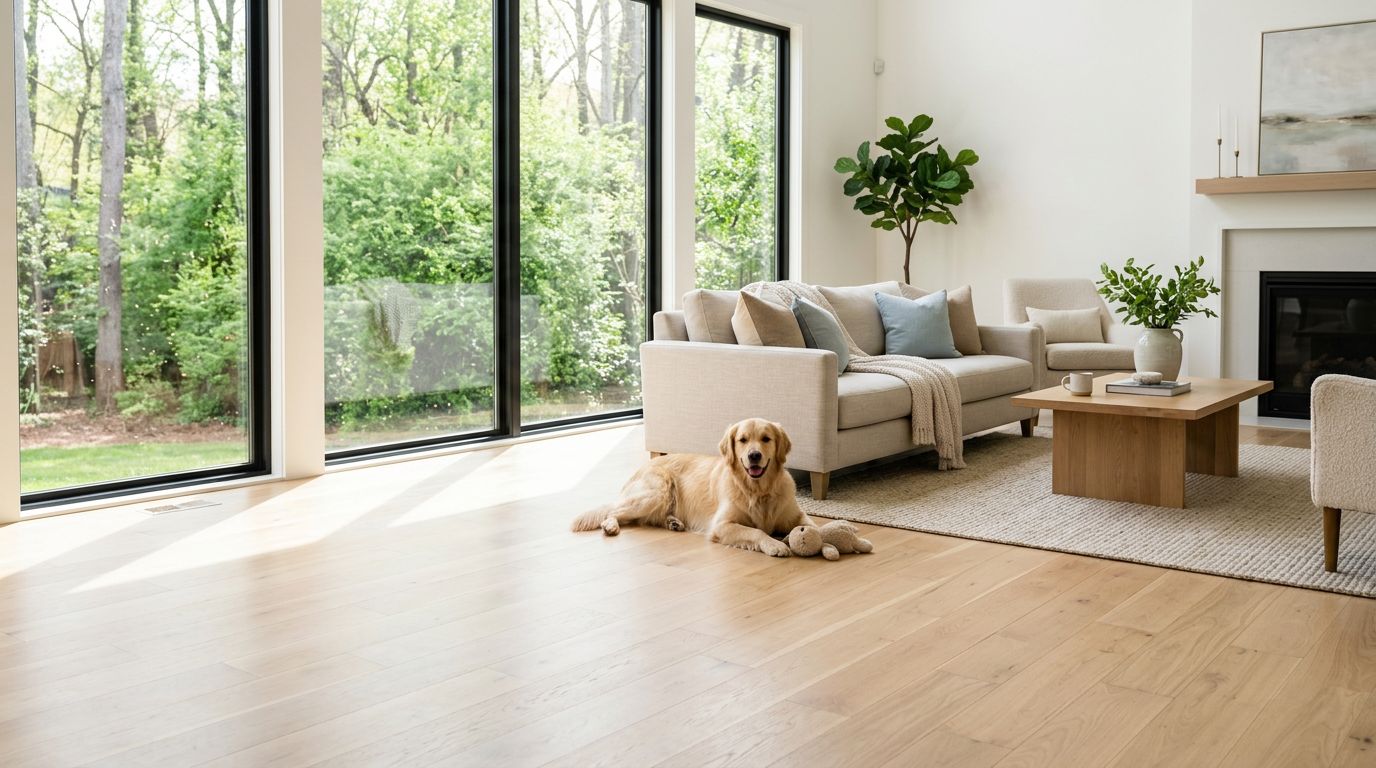
A bad floor can act like a filter you never clean. In Alpharetta, where March 2026 tree pollen surged above 6,500 grains per cubic meter and worsened pollen allergies, that matters fast.
Once oak and birch pollen gets indoors, soft surfaces can hold it for days and harm indoor air quality. The right allergy-sensitive flooring helps you cut dust, lower moisture risk, and clean your home without a full weekend of work.
Why Alpharetta homes need floors that don’t trap pollen and pet dander
North Georgia homes fight two problems at once, heavy spring pollen and humid air, which causes allergy sufferers to struggle with mold and mildew. Pollen blows in on shoes, pets, and clothing. Meanwhile, moisture can feed mold in bathrooms, basements, and entry areas.
The best floor for allergy relief gives dust, dander, and pollen fewer places to hide.
That usually means a move toward hard surface flooring with low VOC emissions, simple cleaning, and good moisture control. These materials often have lower volatile organic compounds (VOCs) than older alternatives. Smooth finishes help because a microfiber mop can grab debris fast. Daily care should feel easy, not like scrubbing a stubborn pan.
Old carpet often works against that goal. Fibers let dust mites thrive while trapping pet dander and outdoor pollen. Thick padding can also hold moisture after spills or humid days. If anyone in your home has respiratory symptoms, that mix can make symptoms worse.
Best allergy-sensitive flooring choices for most homes
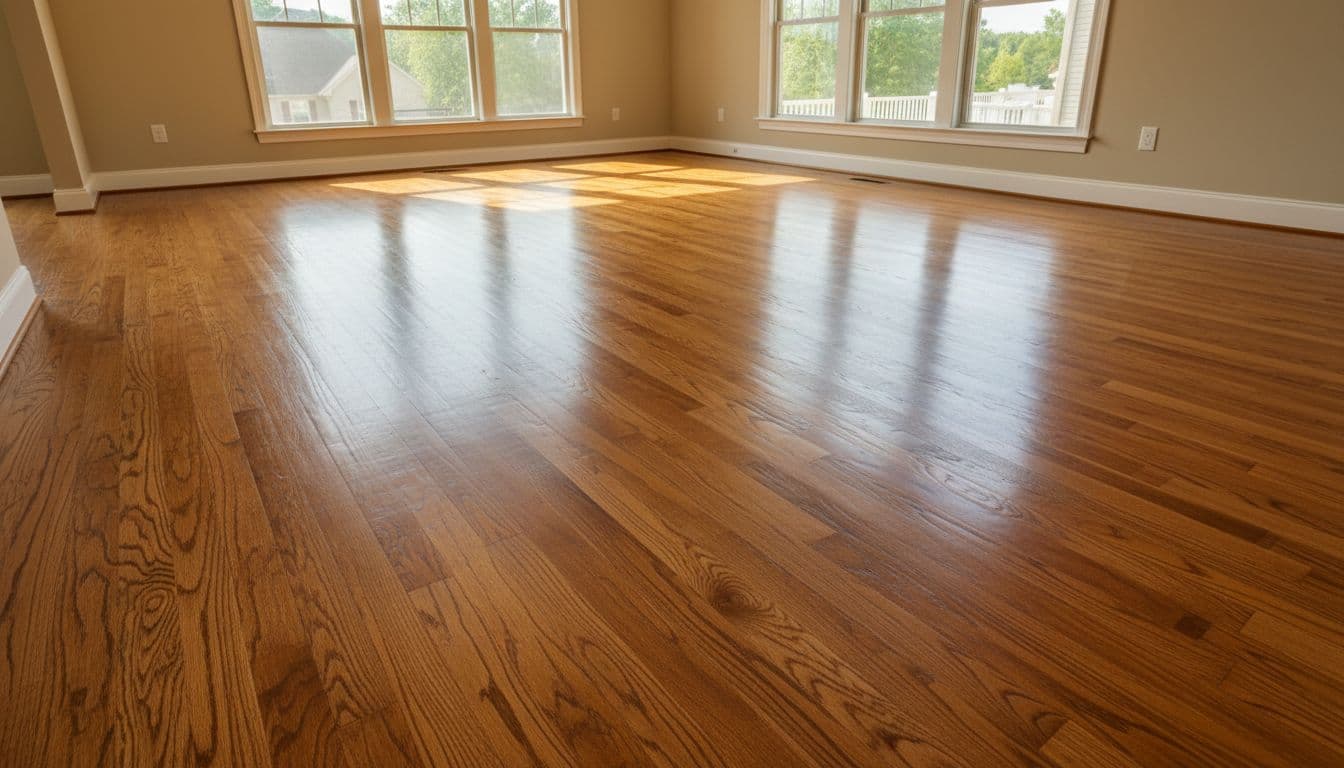
Engineered hardwood feels warm and cleans up fast
For many Alpharetta homes, engineered hardwood is a strong first choice. It has the easy-clean surface people want, but it handles humidity better than many solid hardwood flooring options. That matters in North Georgia, where seasonal moisture swings can stress natural materials.
Choose low-VOC products with certifications like FloorScore or Greenguard Gold and, when possible, prefinished planks. Prefinished boards often create less odor and less dust than site-finished floors. On the downside, wood can still scratch, and standing water can damage it. You also need quick spill cleanup and felt pads under furniture.
Porcelain tile handles moisture better than almost anything
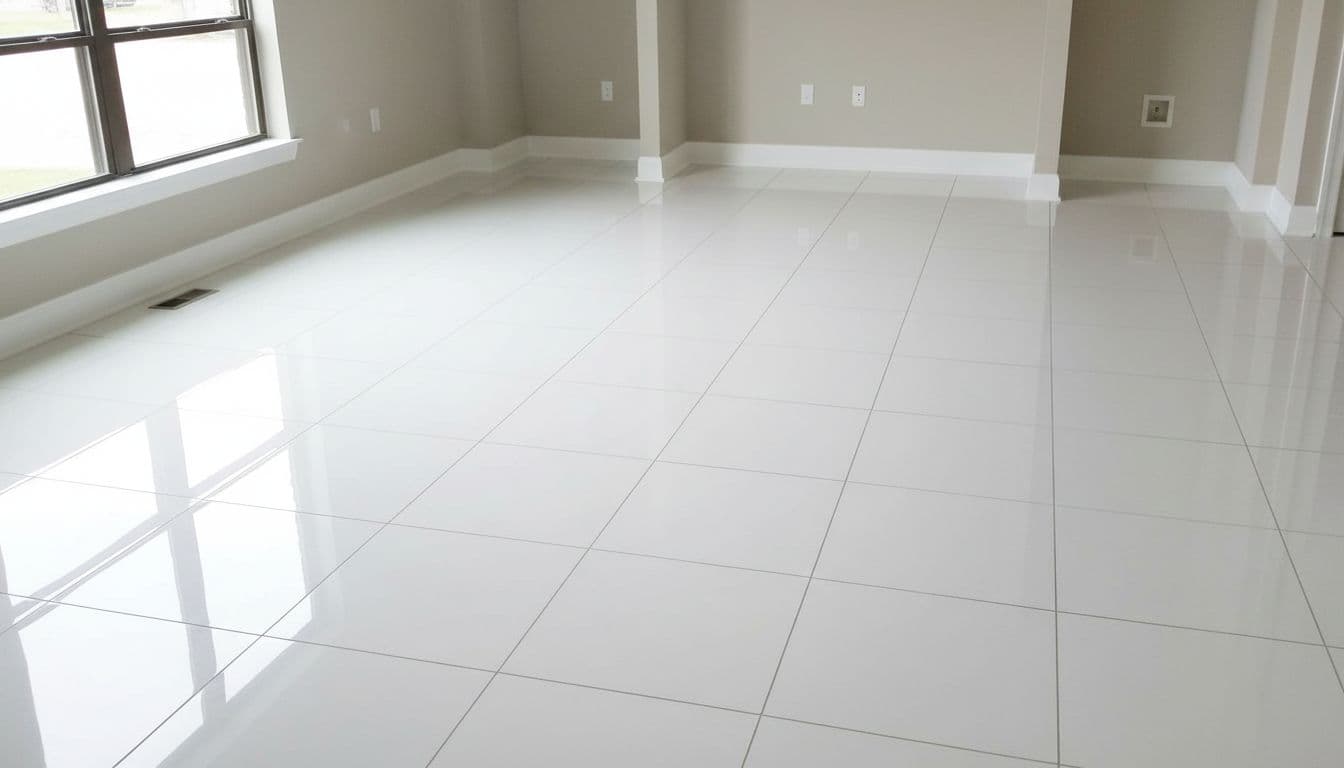
Tile is hard to beat in kitchens, baths, mudrooms, and laundry areas. Porcelain tile’s non-porous surface doesn’t trap allergens, and it offers superior moisture resistance. If mold worries you, tile is one of the safest bets.
The trade-off is comfort. Tile feels harder and colder underfoot. Grout lines also need attention because dirty grout can collect grime. Still, large-format tile with tight grout joints makes cleaning easier, and a good sealer helps in wet spaces.
Luxury vinyl plank works well when you want comfort and water resistance
Luxury vinyl plank has become a practical option for families with kids, pets, and allergy concerns. A good product is easy to wipe clean, softer than tile, and highly moisture-resistant. That makes it useful in busy living areas and finished basements. Luxury vinyl plank and laminate flooring serve as cost-effective alternatives for improving indoor air quality.
However, quality matters more here than in almost any other category. Cheap vinyl may have stronger odors and weaker wear layers. Look for low-VOC certifications and tight-locking planks, because poor seams can let dirt and moisture sneak below the surface. For those seeking eco-friendly materials, natural linoleum is a bio-based, hypoallergenic option.
Why carpet and some rugs can make symptoms worse
Wall-to-wall carpet can feel cozy, but it often acts like a sponge for allergens. Pollen, pet dander, pet hair, dust mites, dust, and skin flakes settle deep into the pile. Even with vacuuming, some of that material stays behind.
Bedrooms are the biggest concern because you spend hours there every night. If you want softness, a washable flatweave rug is usually safer than shag or plush carpet. Keep rugs small, wash them often, and skip heavy rubber backs in damp areas. For the full tradeoff, see how carpet and LVP compare in bedrooms.
Some homeowners still need carpet for stairs or noise control. In that case, allergy sufferers can opt for short-pile carpet or carpet tile, a low-VOC pad, and a HEPA-filtered vacuum for deep cleaning on a slow pass. It’s a compromise, not the top choice.
Installation details matter as much as the material
A clean product can still become a problem if the installation goes wrong. Subfloor moisture testing matters, along with a high-quality underlayment for moisture resistance. So does dust control during carpet removal, proper acclimation for wood, and low-odor adhesives, grout, and finishes with low formaldehyde emissions to protect air quality. If an old subfloor has pet stains or hidden mold, seal or replace it before new flooring goes down.
That’s why homeowners often search for the best flooring contractor in alpharetta ga or the best flooring company alpharetta and milton before replacing allergy-prone floors. Ask how the crew contains dust, checks moisture, and handles low-VOC materials. If a leak started the problem, a bathroom remodeling contractor in alpharetta and Milton should fix the source first.
The same logic applies in kitchens and on stairs. A best local kitchen remodeling contractor in alpharetta or best kitchen contractor alpharetta should coordinate flooring height, cabinet timing, and ventilation. If you’re choosing tile, ask any tile installation company Alpharetta about waterproofing details, grout care, and grout with antimicrobial technology. If you’re keeping wood, a top hardwood floor sanding contractor in alpharetta should use strong dust containment. Stairs collect debris too, so a Stair company Alpharetta or stair contractor alpharetta should build smooth, easy-to-clean treads and risers to reduce cleaning maintenance for a healthier home.
Choose floors that help your home breathe easier
When pollen is already pounding Alpharetta, your flooring shouldn’t add to the load. Smooth, low-VOC, moisture-aware surfaces usually give the best relief, especially engineered hardwood, porcelain tile, and well-made LVP.
If you’re comparing options, start with the rooms that stay damp or dirty the longest. Then choose a floor you can clean quickly and live with comfortably. Switching to hard surface flooring is the most effective way to improve indoor air quality during high pollen seasons. The best allergy-sensitive flooring is the one that keeps your air cleaner every single day, and hypoallergenic flooring reinforces that relief.