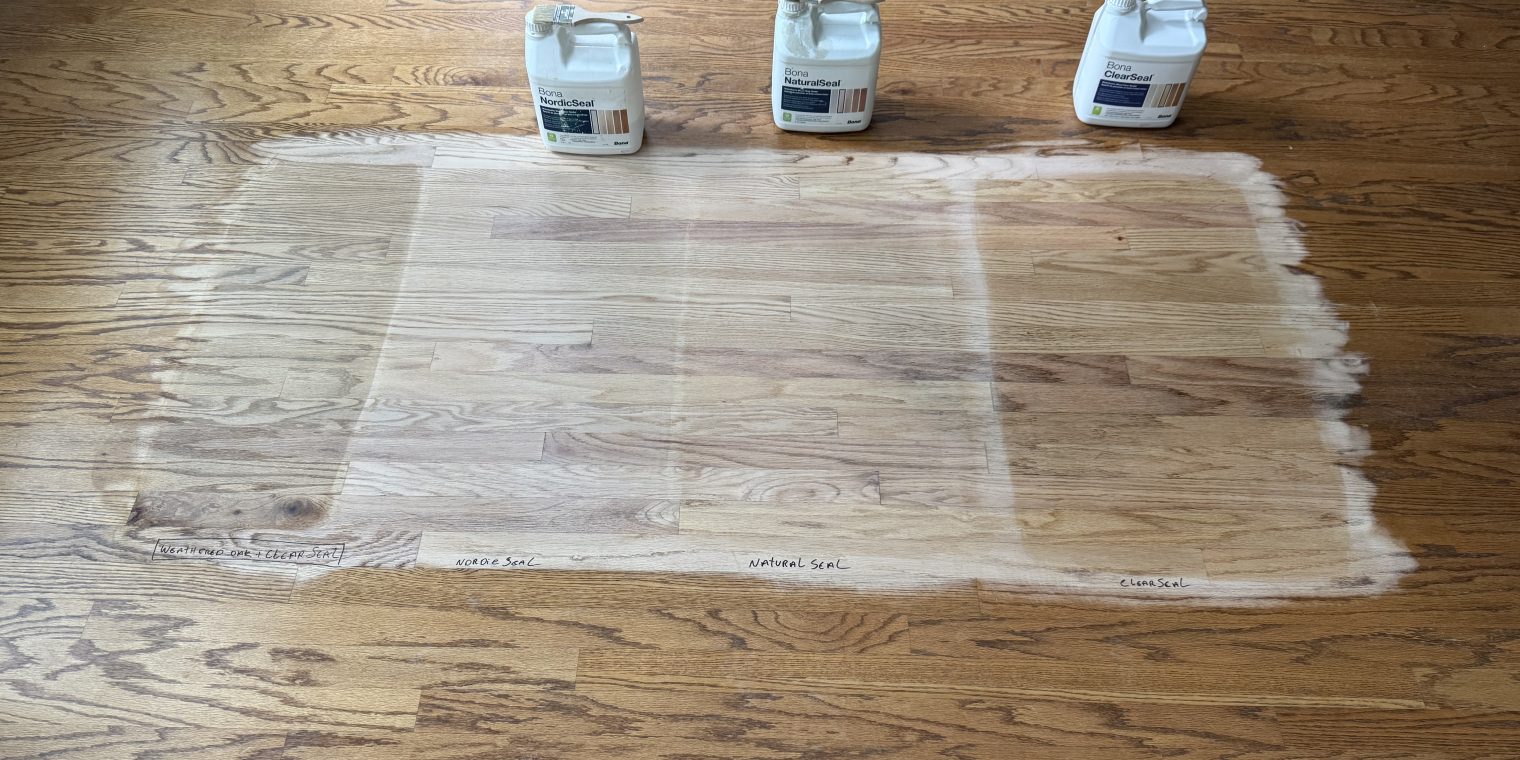
The finish on a hardwood floor is like the clear coat on a car. You can have beautiful wood underneath, but the top layer decides how it lives day to day, how it handles scuffs, and how quickly you get your home back.
When clients ask us to compare water based polyurethane to oil-based polyurethane, they are usually balancing three things: how fast it dries, how strong it smells, and how well it wears. We will keep this practical, because the right answer depends on how you use your home, not on brand loyalty.
What polyurethane really does (and why the choice matters)
Polyurethane is a protective film that cures into a hard layer over stained or natural wood. That layer takes the impact from shoes, dog nails, chair legs, and gritty dust that acts like sandpaper.
Two homes can use the same hardwood and still feel completely different after refinishing, simply because the finish behaves differently:
- Water-based polyurethane tends to cure clearer and faster.
- Oil-based polyurethane tends to cure warmer in color, with a stronger odor and a longer working time.
For a deeper overview of refinishing steps beyond the finish choice, we like to point homeowners to this practical guide: Step-by-Step Guide to Refinishing Hardwood Floors.
Water-based polyurethane: faster schedules and a clearer look
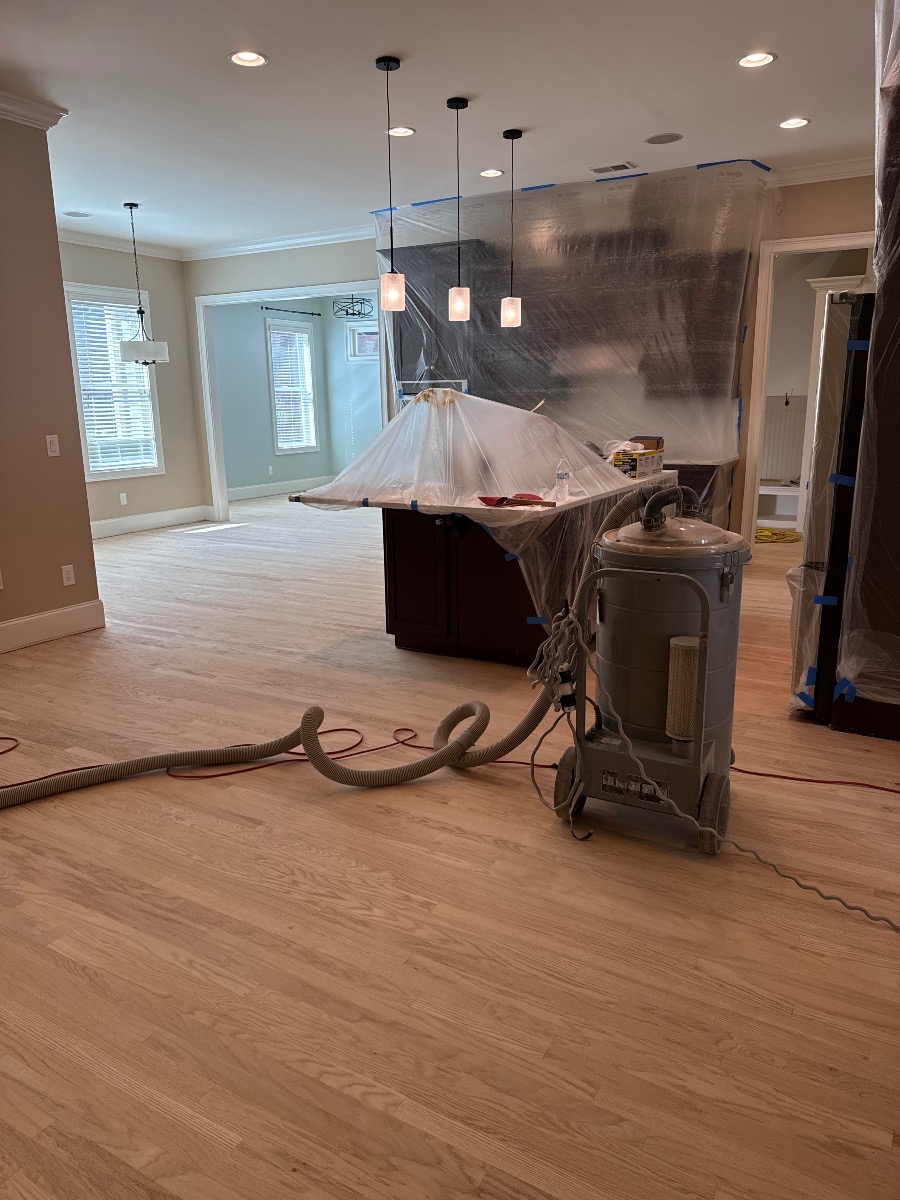
Sanding a red oak wood flooring with vacuum attachment
Water-based finishes have become a common choice in occupied homes because they usually dry quickly and the odor is easier to manage. We also like the way they keep lighter species, such as red oak, white oak, and maple, closer to their natural tone.
What we see most often with water-based polyurethane:
- Shorter dry time between coats (often a few hours, but always follow the label).
- Lower odor profile, which helps if kids, pets, or sensitive noses are in the home.
- Clearer finish, with less ambering over time compared to many oil-based products.
If you want a neutral, modern look, water-based is often the cleanest path.
For a general comparison that homeowners find easy to read, this overview is helpful: Water-Based vs. Oil-Based Polyurethane Comparison Guide.
Oil-based polyurethane: warmer color and longer open time
Oil-based polyurethane is the “slow-cooking” option. It levels nicely because it stays wet longer, and many homeowners love the warmer, richer tone it brings, especially on classic homes.
What we see most often with oil-based polyurethane:
- Longer dry time, which usually stretches the project schedule.
- Stronger smell and fumes, especially in the first days.
- Ambering, which can make floors look richer, but can also shift lighter stains more yellow over time.
If you are trying to match older floors that already have a warm patina, oil-based can blend in more naturally.
Dry time and “back to normal” timing
Dry time is where homeowners feel the difference most. Faster curing means less disruption, but it also means we need strong dust control and a clean application plan so lint and debris do not land in the finish.
Here is a simple planning view we use when talking through schedules:
| Factor | Water-based polyurethane | Oil-based polyurethane |
|---|---|---|
| Recoat window | Usually shorter | Usually longer |
| Odor | Lower | Higher |
| Color shift over time | Minimal to moderate | Moderate to noticeable ambering |
| Best fit | Busy homes, faster return | Warm tone goals, slower pace |
Even with fast-drying products, we still ask clients to plan carefully. Furniture, rugs, and heavy traffic too soon can leave permanent marks.
If you are deciding whether you can remain in the home during sanding and finishing, this is a realistic read: Should You Stay Home During Hardwood Floor Refinishing.
Smell, ventilation, and indoor comfort
Odor is not just a nuisance. It affects sleep, headaches, and how comfortable your home feels while work is underway.
Our basic guidance is consistent:
Water-based polyurethane is often the better choice when you need to keep the home livable, especially in open floor plans where the smell travels quickly.
Oil-based polyurethane may still be a fit, but we plan more aggressively for ventilation, isolated work areas, and time away from the strongest fumes.
Wear, scratch resistance, and how your home really uses the floor
Wear is where people want a single winner. The truth is more practical: both finishes can perform very well when the right product is used and applied correctly.
What changes the outcome most is not the label “water” or “oil,” it’s the real-world details:
- Number of coats, and whether a sealer is used
- Jobsite dust control, and how clean the floor is between coats
- Cure time before rugs and furniture go back
- The type of traffic (big dogs, kids, bar stools, rolling chairs)
Stairs deserve special attention. They get concentrated foot traffic and scuffing at the nosing. In many homes, we choose the system that gives the best balance of traction, clarity, and a dependable cure.
Choosing based on room, lifestyle, and adjacent remodeling
We do not choose finishes in a vacuum. Floors connect to stairs, kitchens, and bathrooms, and each space has its own punishment.
- If you are refinishing stairs and landings: we plan the finish around grip and wear because a Stair company Alpharetta or stair contractor alpharetta is judged on safety as much as appearance.
- If you are remodeling nearby wet spaces: durability matters, but so does a clean transition to tile. When clients hire a tile installation company Alpharetta, we coordinate heights and edges so the wood finish does not get battered at thresholds. These standards are worth knowing: Requirements for Quality Tile Installation.
- If you are updating kitchens or baths: a faster-drying finish can reduce downtime when schedules overlap with a bathroom remodeling contractor in alpharetta and Milton, a best local kitchen remodeling contractor in alpharetta, or a best kitchen contractor alpharetta.
On our side, we are often brought in as the top hardwood floor sanding contractor in alpharetta when homeowners want a clean, low-stress plan. Many clients also ask for a single team that can handle floors, stairs, and adjacent upgrades, which is why people call us the best flooring company alpharetta and milton, and in some cases, the best flooring contractor in alpharetta ga.
Our quick decision guide (the version we use on-site)
If you want a simple way to decide, we recommend starting here:
Choose water based polyurethane when you want faster dry times, lower odor, and a clearer look that stays closer to the wood’s natural color.
Choose oil-based polyurethane when you want a warmer tone, you can tolerate a longer timeline, and you can manage stronger fumes.
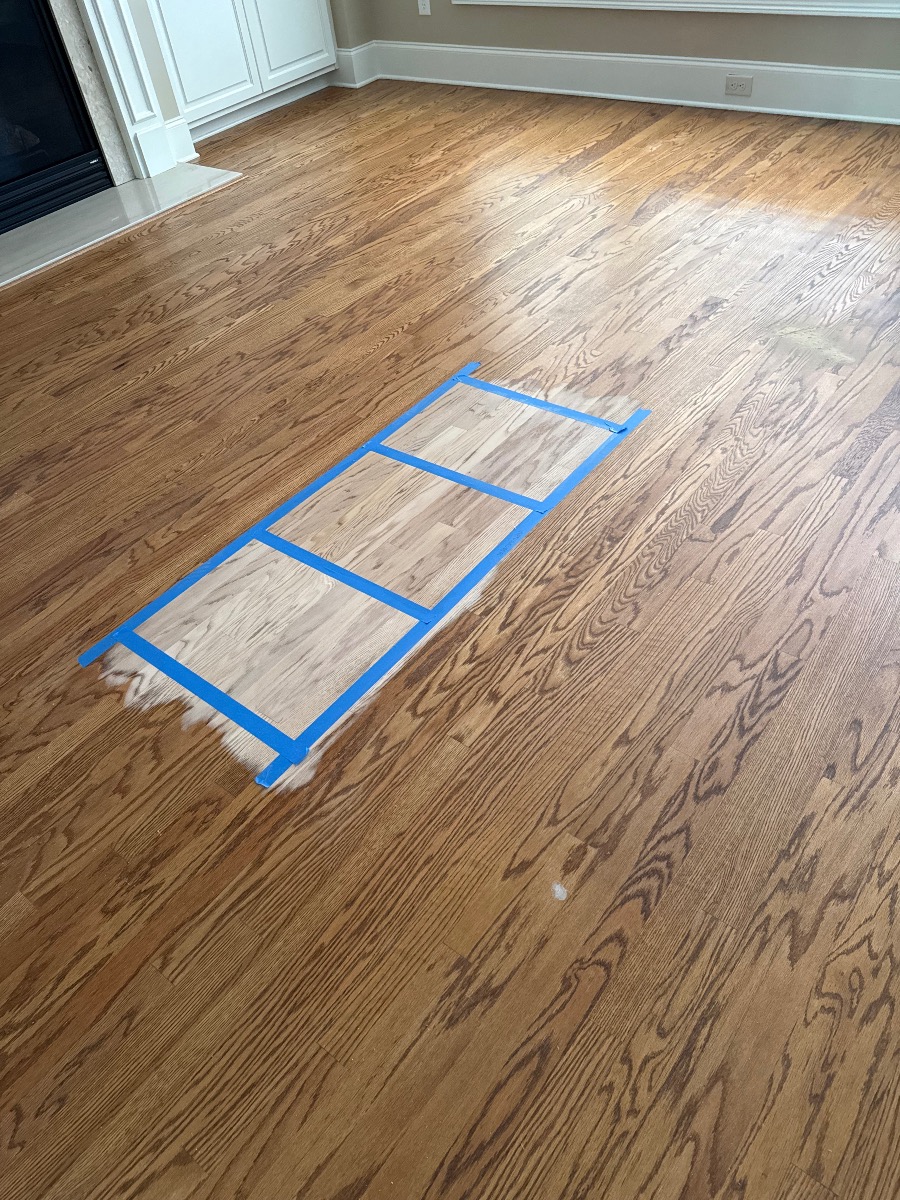
If you are unsure, we can test a small area and confirm sheen and color before committing.
Pick the finish that fits your life, not just the wood
The best finish is the one that protects your floor and keeps your household comfortable during the work. When dry time and odor are top concerns, water based polyurethane is often the practical choice. When color warmth is the priority, oil-based still has a place.
For a free estimate, call us at 470-352-1156. If you show us any existing quote from another contractor, we beat it by 5%.