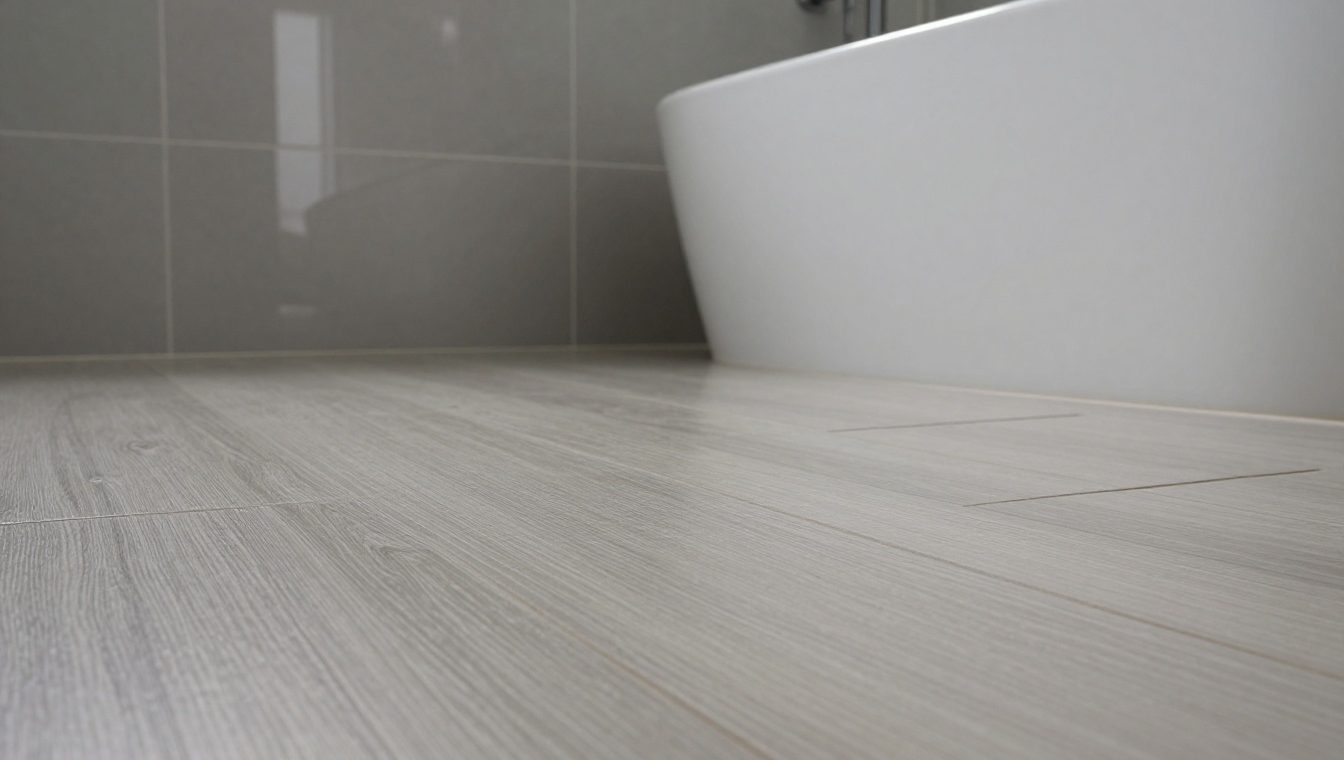
A bathroom floor lives a tougher life than most rooms. It sees wet feet, dripping towels, bathmats that trap moisture, and cleaners that can dull a weak finish. That is why choosing the right vinyl plank wear layer matters as much as picking a color that matches the vanity.
We install luxury vinyl plank in bathrooms across Alpharetta and Milton, and we have learned a simple truth: a bathroom-friendly floor is not only about “waterproof.” It is about the surface that takes daily abuse, the seams that block water, and the details that keep the floor looking new.
What a vinyl plank wear layer does in a bathroom
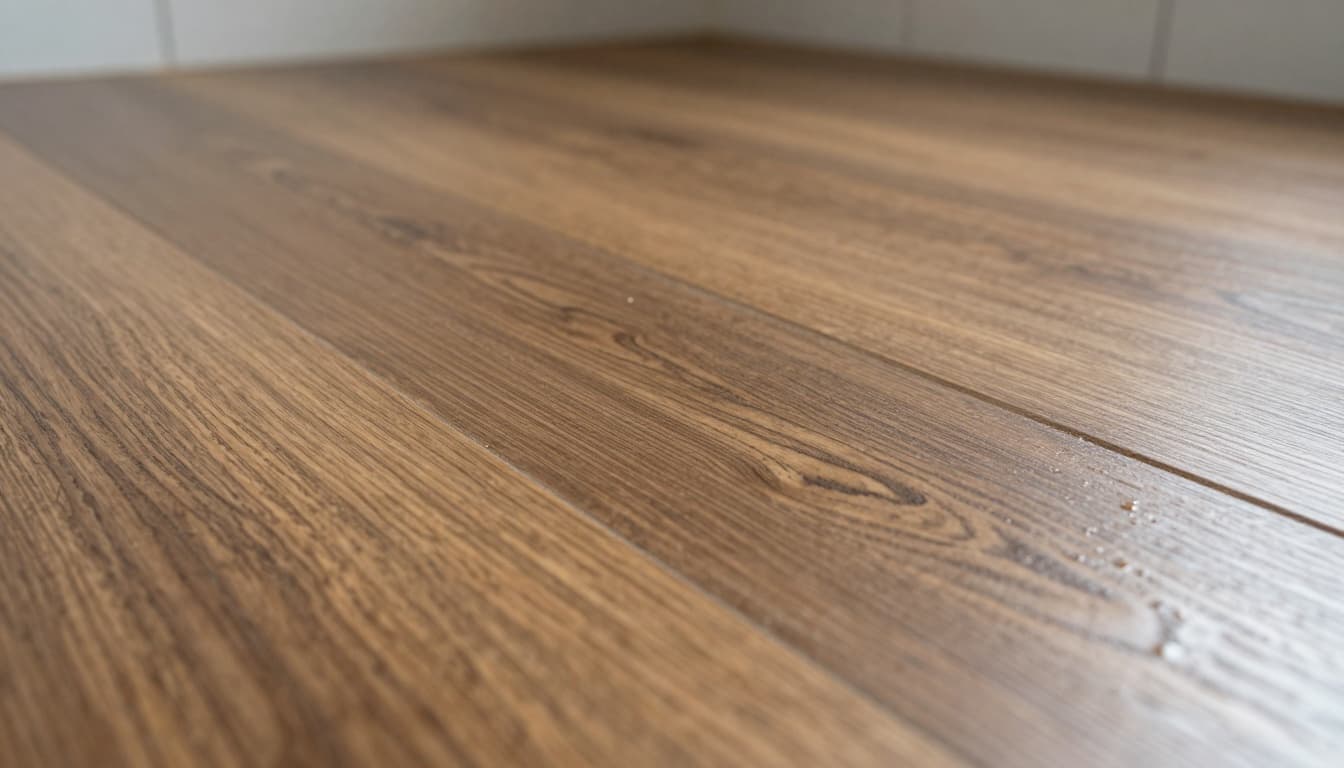
The wear layer is the clear protective film on top of the printed design layer. Think of it like a clear coat on a car. It does not stop water from existing in the room, but it helps protect the floor from the things that come with water.
In bathrooms, the wear layer helps with:
- Scratch resistance from grit tracked in on slippers or bare feet
- Scuff resistance near the tub, shower entry, and vanity toe-kick
- Stain resistance from hair dye, cosmetics, and many common cleaners
- Long-term clarity, so the floor does not haze over time
A common misunderstanding is that a thicker wear layer makes the product “more waterproof.” Waterproof performance is more tied to the core, joints, and installation method. The wear layer is still critical because it determines how well the floor holds up to daily use in a damp room.
Understanding wear layer thickness (mil) without the confusion
Wear layers are usually listed in mils (one mil equals 0.001 inch). In simple terms, more mils mean more protective material above the design layer.
Here is a practical way to read the numbers we see most often:
| Wear layer (mil) | Best fit in bathrooms | What we expect it to handle well |
|---|---|---|
| 6 mil | Light-use powder baths | Low traffic, fewer scuffs |
| 12 mil | Most primary baths | Daily use, routine cleaning |
| 20 mil | Busy family baths | Kids, pets, heavier wear |
| 28 mil | High-demand homes or rentals | Frequent turnover, strong durability needs |
If you want a deeper overview of how thickness and specs are described in product listings, this vinyl plank flooring thickness guide (2026) is a helpful reference point.
Matching the wear layer to the kind of bathroom you actually have
Not all bathrooms behave the same. A guest powder room is closer to a quiet hallway. A kids’ bath is closer to a pool deck.
Powder rooms and guest baths
For low traffic and low mess, we often see 6 to 12 mil perform well. The key is choosing a quality product with a stable locking system, then installing it with tight perimeter sealing at the baseboards.
Primary bathrooms with daily showers
For most homes, 12 mil is the minimum we like to see for a moisture-prone primary bath. This area gets the most repetitive cleaning and the most foot traffic after showers.
Kids’ bathrooms and high-traffic hall baths
When bath time turns into splash time, surface abrasion rises fast. We often recommend 20 mil when the bath serves kids, pets, or a busy household. It buys extra protection against grit, dropped tools (think nail clippers), and aggressive cleaning after spills.
Rentals, finished basements with a bath, and resale-focused updates
If the goal is durability with fewer callbacks, 20 to 28 mil can make sense. We treat it as insurance, especially where we cannot control how the next owner will maintain the floor.
Bathrooms need more than wear layer thickness
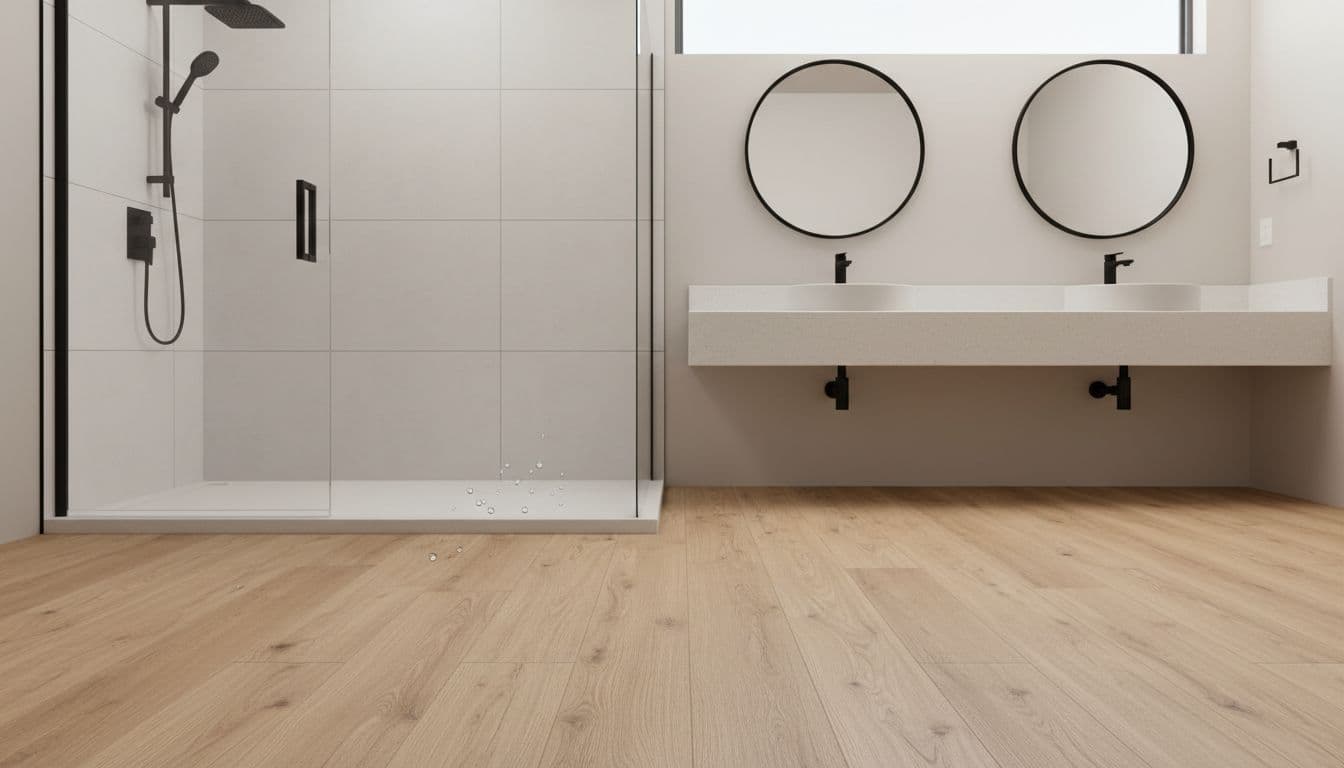
A bathroom floor fails when water slips past edges and seams, or when the subfloor holds moisture. Wear layer thickness helps the top surface, but we also look at these factors:
Core type and stability: Many homeowners choose rigid core products (often SPC). They tend to feel firmer underfoot and resist minor subfloor imperfections better than softer constructions. The right choice depends on the subfloor and the room’s comfort goals.
Edge profile and joint quality: Tight click-lock joints matter. Micro-bevels can look great, but they can also collect residue if maintenance is poor. We match joint style to the household, not just the sample board.
Topcoat chemistry: Some products add enhanced coatings (often marketed as ceramic bead or urethane blends). These can help with scuffs and cleaning. They are not a substitute for mil thickness, but they can improve day-to-day performance.
Cleaning reality: In bathrooms, people reach for stronger cleaners. A wear layer that holds up to routine cleaning keeps its sheen longer. For general buying guidance, this consumer-friendly overview, Luxury Vinyl Flooring: 10 essential insights before you buy, is a useful checklist.
Installation details that protect the wear layer (and the room)
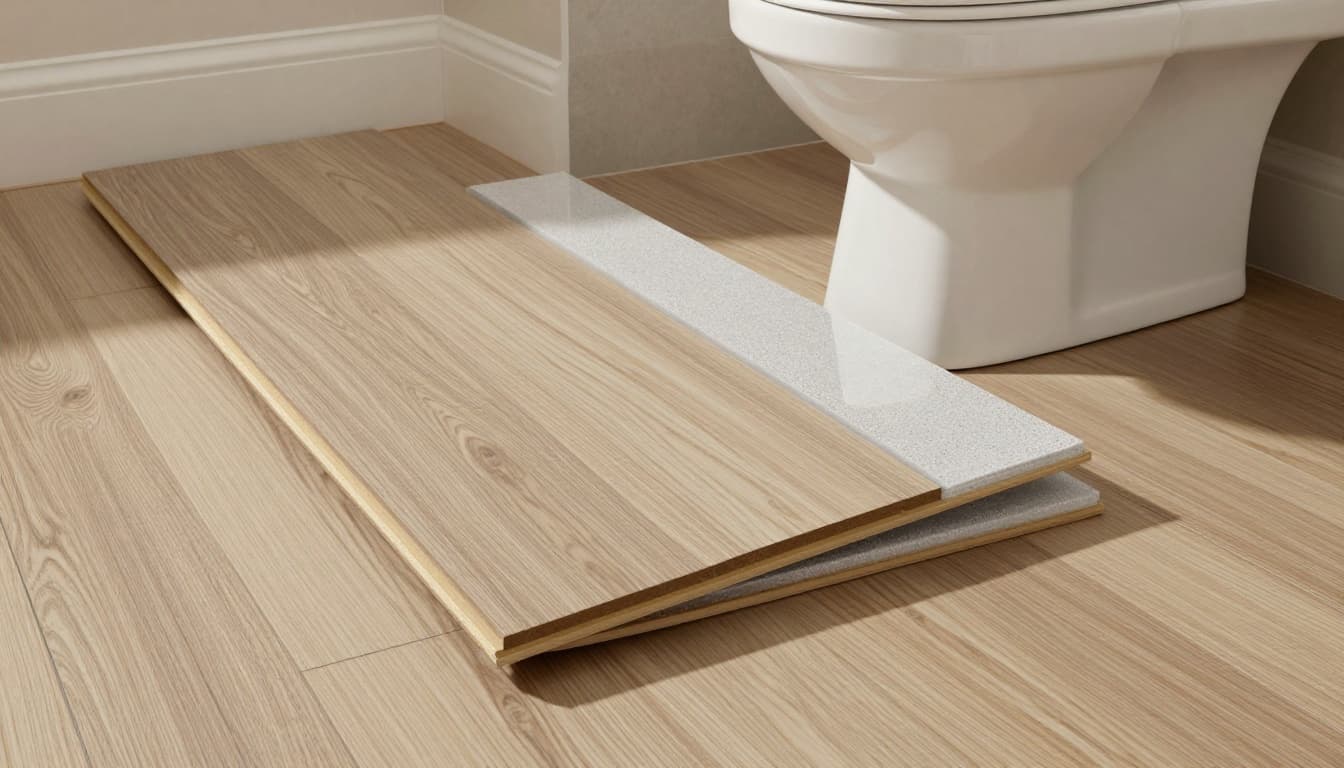
Even the best wear layer cannot fix poor prep. We treat bathroom installs like a system, not a single product choice.
Key practices we follow:
Flat subfloors and clean transitions: LVP needs a flat base to keep joints locked. Movement at the seams can lead to edge wear and water entry.
Moisture checks where they count: Concrete slabs and older homes can hide moisture issues. When moisture is present, we address it before planks go down.
Perimeter and fixture protection: Water usually enters at edges, not through the middle of a plank. We plan expansion gaps correctly and use appropriate sealing details where needed.
If you want to see how we approach the broader process, our luxury vinyl flooring installation guide explains the steps that keep bathroom vinyl performing well.
For homeowners still comparing materials, our luxury vinyl plank flooring overview outlines why many families choose LVP for wet areas instead of laminate or hardwood.
Choosing the right contractor for a bathroom floor and remodel
Wear layer selection is a smart start, but project results come down to measurement, prep, and finish work. Many clients call us after a failed install, where the wear layer was fine but the seams, transitions, or toilet reset were not.
If you are searching for the best flooring contractor in alpharetta ga or the best flooring company alpharetta and milton, we encourage you to compare scope, not just price. The same applies if you need a bathroom remodeling contractor in alpharetta and Milton and want one team accountable for flooring, trim, and water-sensitive details.
Bathrooms often connect to adjacent projects. We also help clients who want a coordinated plan with the best local kitchen remodeling contractor in alpharetta (and the best kitchen contractor alpharetta) so finishes align across the home. For homes with existing wood floors nearby, we coordinate transitions with a top hardwood floor sanding contractor in alpharetta when refinishing is part of the plan.
Some bathrooms include tile features or stair landings. When the scope calls for it, we coordinate work that homeowners might otherwise split between a tile installation company Alpharetta and a Stair company Alpharetta (or a stair contractor alpharetta), keeping layout and timing consistent.
For a free estimate, call us at 470-352-1156. If you show us any existing quote from other contractor, we beat it by 5%.
Conclusion
Selecting a bathroom floor is easier when we treat the vinyl plank wear layer as one part of a complete system. We match mil thickness to real household wear, then confirm the core, joints, and install details are ready for moisture. The result is a bathroom floor that stays clean-looking, not cloudy or scuffed.
If you want help choosing the right wear layer and product grade for your bathroom, call us at 470-352-1156 for a free estimate. Bring any written quote, and we will beat it by 5%.