If your bathroom stays humid for hours after a shower, grout becomes the quiet trouble spot with grout sealer choices making all the difference. Tile may look perfect, but shower grout sealer options often decide whether grout stays bright or starts to show mold and mildew stains that keep coming back.
We see the pattern often in Alpharetta and Milton homes with ceramic and porcelain tiles: the shower looks clean on the surface, but grout darkens, corners discolor, and that musty smell returns after a few hot showers. The good news is that the right sealer, applied at the right time, reduces water absorption, offers stain protection, and makes routine cleaning much easier.
Below, we break down how to choose grout sealers for showers when mildew prevention is the goal in a humid bathroom.
Why mildew shows up in shower grout (even in “clean” bathrooms)
Mildew is a surface growth that thrives on moisture, warmth, and residue. Showers supply all three. Steam settles on walls, and grout acts like a sponge if it is not protected.
Most cement-based grout is porous grout. When it absorbs water, causing moisture damage, it also holds onto soap film and body oils. That residue becomes mildew’s food source. Even if you scrub often, moisture still moves in and out of the grout, and humid air slows drying.
A strong exhaust fan, a daily squeegee habit, and good caulk lines matter. Still, after deep cleaning, sealing grout is one of the most direct ways to reduce how much moisture gets into the grout joints in the first place.
What a shower grout sealer actually does (and what it does not)
A grout sealer is not bleach, not a disinfectant, and not a magic shield that stops all mildew. It creates an invisible barrier like a rain jacket: it helps water bead and roll off, but you still have to hang it up to dry.
For mildew control, we want a sealer that limits water penetration and buys time between cleanings. That also means fewer deep stains.
Two main sealer categories: penetrating vs topical
Penetrating (impregnating sealers) soak into grout and line the pores. They usually keep a natural look with good breathability and are common for shower walls and floors.
Topical sealers form a film on top of grout. They can add sheen, but in wet areas they may wear unevenly or peel if the surface stays damp. In showers, we usually prefer penetrating sealers unless a product is clearly rated for constant moisture.

Water-based vs solvent-based (simple differences that matter)
Both can work well. The best choice often comes down to curing needs, odor tolerance with varying VOC levels, and shower conditions.
What we compareWater based penetrating sealerSolvent based sealerOdor during applicationLowerHigherDrying and cure feelOften faster to work withOften stronger initial repellencyBest fit forMost occupied homes, routine sealingHigh-humidity baths, tough stain risk (when label allows)Mildew prevention roleReduces absorption, easier cleaningReduces absorption, often strong beading
Product quality varies, so we always follow the manufacturer’s label for shower use and cure time. For reference, manufacturer guidance like MAPEI UltraCare Grout Sealer can help you confirm intended surfaces and application basics.
How to choose grout sealers for showers in humid bathrooms
Choosing the right sealer is less about the “best brand” and more about matching the sealer to the shower’s materials like natural stone that requires special care, and moisture load.
Start with the grout type: cement grout vs epoxy grout
Cementitious grout is common and usually benefits from sealing. If your grout darkens when wet, it is a strong sign it absorbs water.
Epoxy grout is far less porous and often does not need sealing. In some cases, applying a sealer to epoxy grout adds little benefit. If you are unsure, test a small area or check your install specs.
Match the sealer to the shower location (walls, floor, niches)
- Shower floor and curb: Prioritize water resistance and slip safety. We avoid any coating that could get slick.
- Vertical walls: Penetrating sealers work well and keep the tile look consistent.
- Corners and transitions: Sealer helps, but proper caulk is the real defense where movement happens.
Look for performance cues on the label
We focus on clear, practical claims for professional grade sealers, especially those with high-performance ingredients like fluoropolymer in modern formulas:
- Rated for tile and grout in wet areas as a tile grout sealer
- Clear direction for cure time before water exposure
- Stain protection (soap, oils), not just “waterproof”
If you want general mold prevention guidance beyond grout, GE’s bathroom mold prevention tips provide a helpful overview of sealing and moisture control in bathrooms.
Application details that decide whether sealing works
Sealing offers easy application if the proper steps are followed. A high-quality shower grout sealer can fail if the prep is rushed. Most callbacks come from sealing over moisture, residue, or missed cure times.
Clean first, then let it dry fully. If mildew is present, treat it, rinse well, and remove soap film. Sealer cannot bond through grime.
Seal in controlled passes. We apply sealer to grout lines with a sponge brush, let it dwell as directed, then wipe it off non-porous surfaces and buff dry tile faces clean using a microfiber towel. Leaving haze on tile is avoidable if wiping is timely.
Respect the curing period. Many sealers need a dry window before the shower is used again. In a humid bathroom, we often extend drying time and run the exhaust fan.
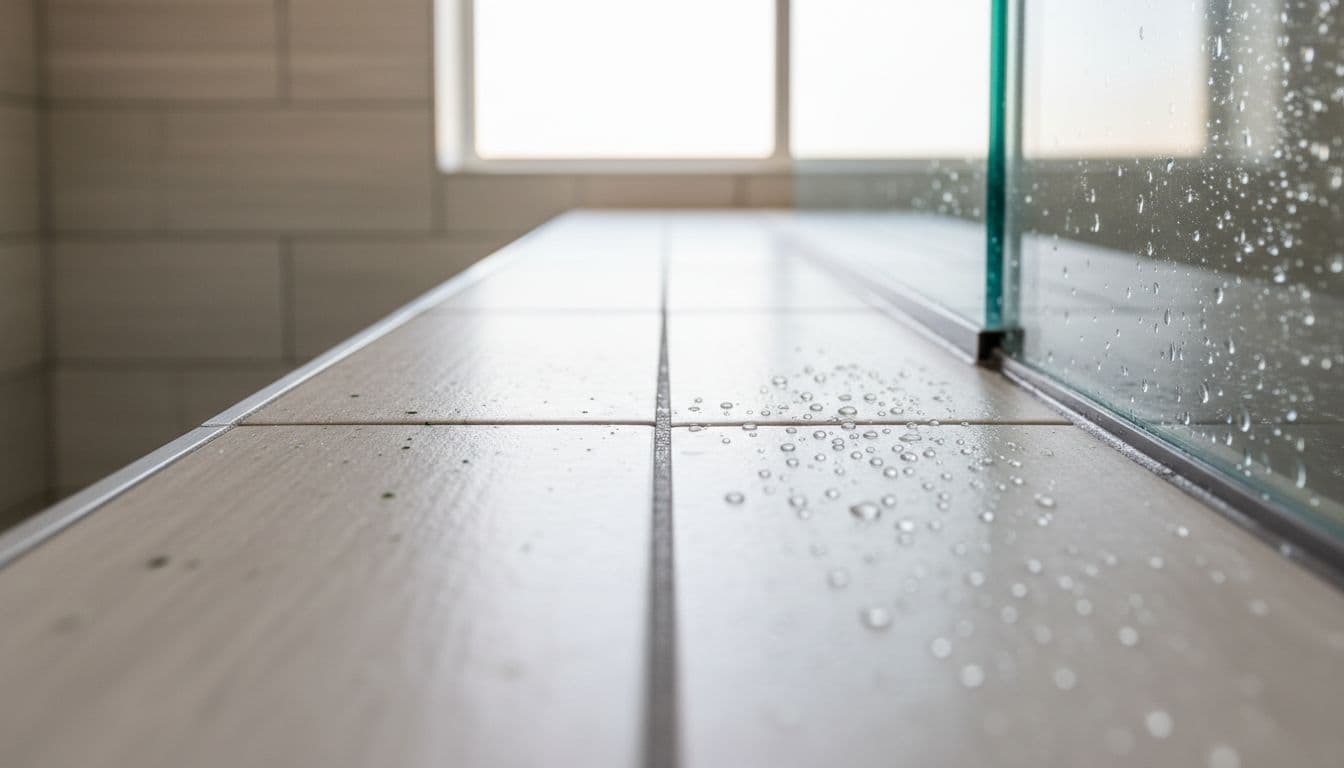
A simple check after curing: sprinkle water on the shower floor grout. If it beads and stays on the surface briefly, that is a good sign.
Maintenance: the “small habits” that keep mildew away
Sealer helps most when the shower dries faster, stays cleaner, and provides oil repellent protection against soap and body oils.
Ventilation: Run the bath fan during showers and for a while after. If the fan is weak, replacing it can outperform any cleaning product.
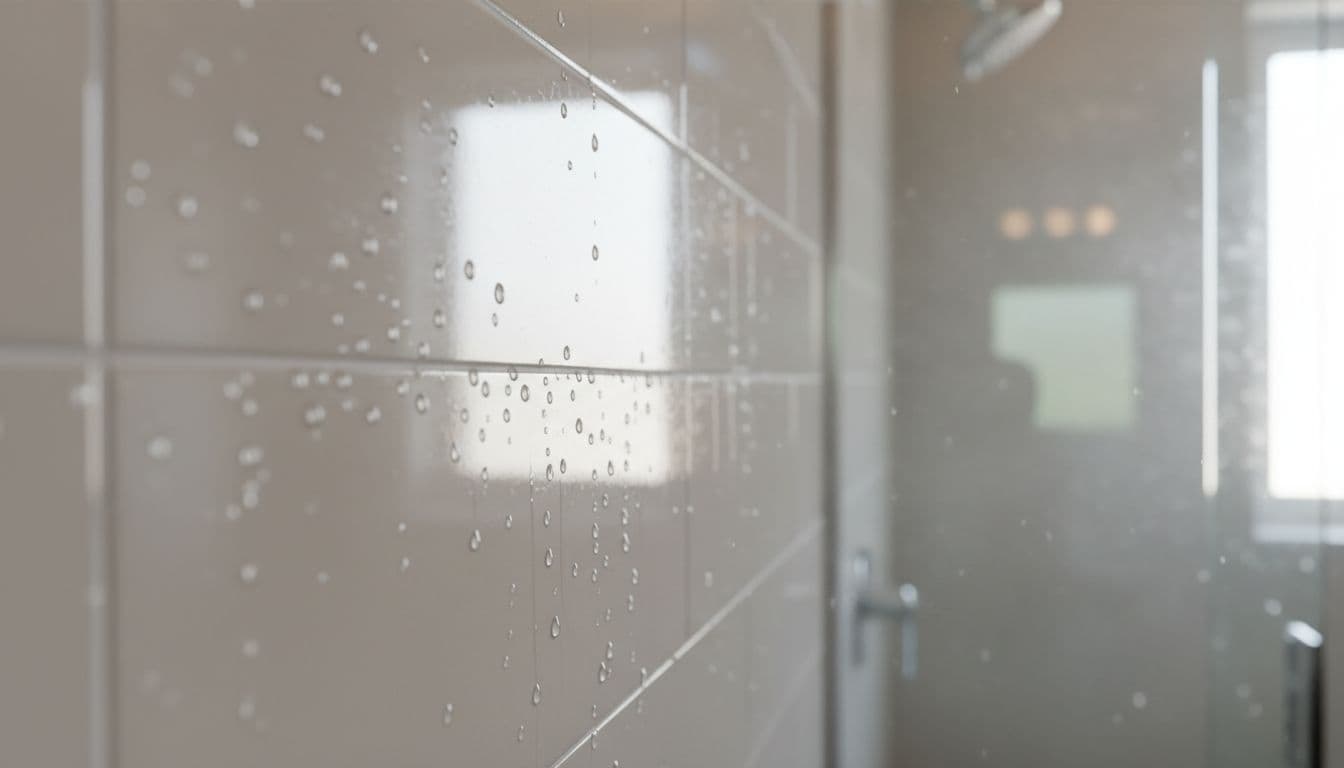
Daily rinse and squeegee: Removing water from tile and glass reduces what soaks into grout edges.
Use gentle cleaners: Harsh acids can wear grout and shorten sealer life. Mild bathroom cleaners and soft brushes do the job in most cases, with periodic deep cleaning for heavy-duty maintenance.
Most sealed cement grout needs re-sealing on a schedule that depends on use. If water stops beading and grout darkens quickly, it is time.
Some showers need more than sealing. If grout is cracking, tile sounds hollow, or corners stay black no matter how often you clean, the issue may be behind the tile or in failed joints. This is common after years of heavy use in humid bathrooms.
When clients contact us as a tile installation company Alpharetta, we often start by checking slope, waterproofing details, and grout condition before we recommend any sealer. The same careful approach applies whether you are hiring a bathroom remodeling contractor in alpharetta and Milton or planning a broader upgrade with the best local kitchen remodeling contractor in alpharetta.
Many homeowners also ask about related projects at the same time, including the top hardwood floor sanding contractor in alpharetta after water damage, or stair updates with a Stair company Alpharetta and a stair contractor alpharetta. If you want a sense of our past work, you can view our Hardwood floor gallery and sample photos and learn more about our Tile and grout installation specialists.
If you are comparing options, we can help you sort it out. Call us at 470-352-1156 for a free estimate. If you show us any existing written quote from another contractor, we beat it by 5%. Clients looking for the best flooring company alpharetta and milton, or the best flooring contractor in alpharetta ga, often value that clarity and pricing confidence, and the same goes for anyone seeking the best kitchen contractor alpharetta.
Mildew in a humid bathroom is not a mystery, it is moisture that lingers where grout can absorb it. The right shower grout sealer, paired with clean prep and proper curing, reduces absorption, delivers stain protection, and makes upkeep simpler. When sealing alone will not solve the problem, a targeted repair or re-grout can save time and prevent repeat staining. If you want a clear plan for your shower, our penetrating sealer is ready to help at 470-352-1156.