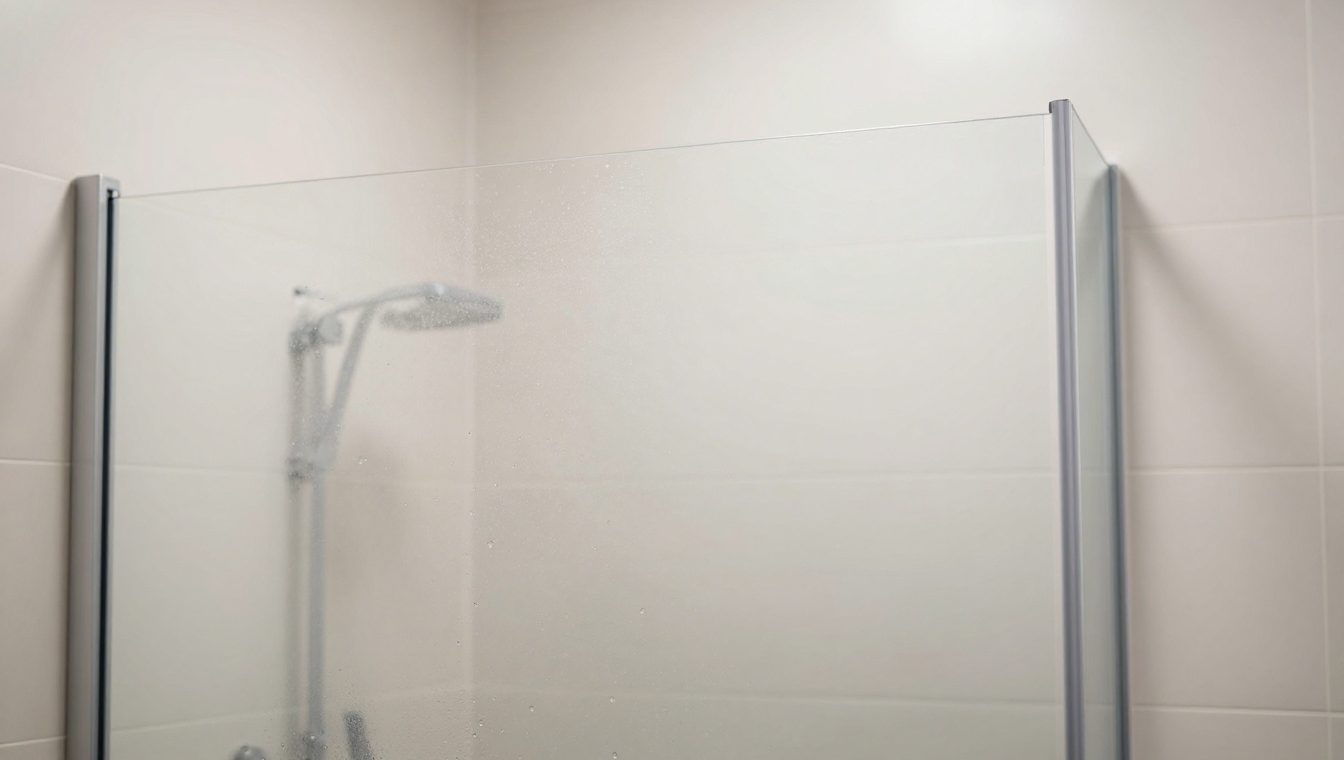
A shower can look perfect on day one and still fail quietly. Water doesn’t need a big opening. It only needs time, a few pinholes, and a path behind the tile.
That’s why shower waterproofing systems matter more than grout color or tile size. Tile and grout handle splashes, but they don’t stop water from moving through the assembly.
In this guide, we compare sheet membranes vs liquid-applied waterproofing, explain what each does well, where each can go wrong, and how we choose what’s best for your bath.
Why showers fail, even when the tile looks fine
Most shower leaks are slow leaks. The kind that never shows up as a puddle, but still feeds moisture into backer board, framing, and subflooring.
A good waterproofing plan should do three things:
- Create a continuous barrier across walls, pan, curb, niches, and benches
- Seal the most fragile zones, corners, seams, pipe penetrations, and the drain connection
- Allow proper cure time so the membrane performs as designed
If you want a plain-language overview of how installers weigh options, this breakdown of liquid membranes vs sheet membranes pros and cons is a helpful reference point.
Sheet membrane shower waterproofing systems: consistent thickness and clean seams
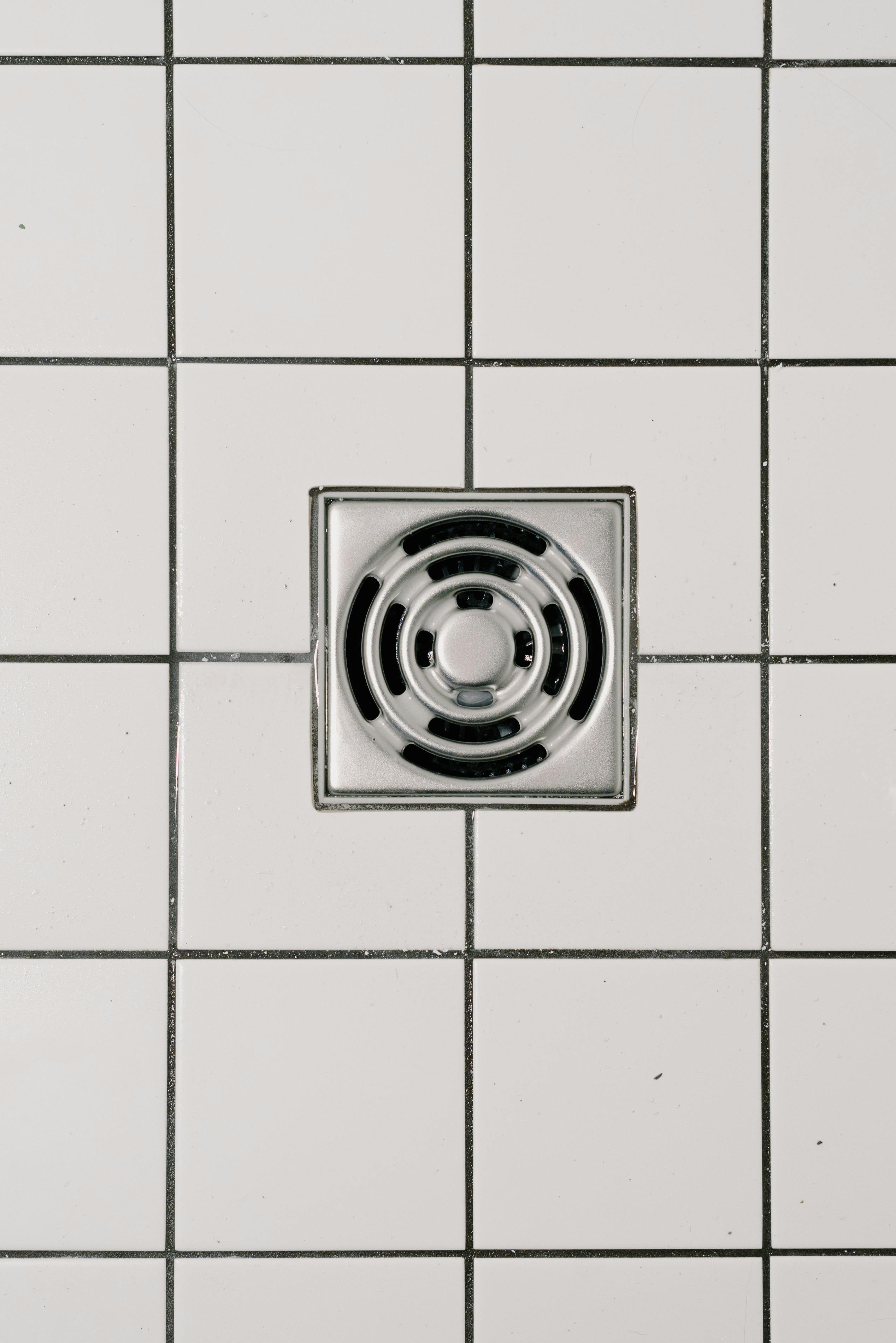 Sheet membranes are factory-made sheets (often polyethylene or similar) bonded to the surface with thinset or adhesive, depending on the system. Think of it like a rain jacket. The material is already the correct thickness, so the installer’s job is to keep it continuous and properly sealed.
Where sheet membranes shine
Predictable thickness is the big advantage. With a sheet system, you don’t wonder if a spot is too thin because the thickness is built into the product.
We often prefer sheet membranes for:
- Showers with many corners, niches, benches, and transitions
- Projects where we want tight control over build-up behind tile
- Clients who want a system that can be flood-tested sooner (depending on the product and thinset cure)
The trade-offs we watch for
Sheet systems live and die by detailing. Most failures come from:
- Poor seam overlap or weak bonding at seams
- Wrinkles that create voids under tile
- Rushed work around the drain flange and curb corners
When installed with care, sheet membranes are one of the most reliable options for a tiled shower because the “waterproof layer” is easy to inspect before tile goes in.
Liquid-applied shower waterproofing systems: adaptable coverage for complex shapes
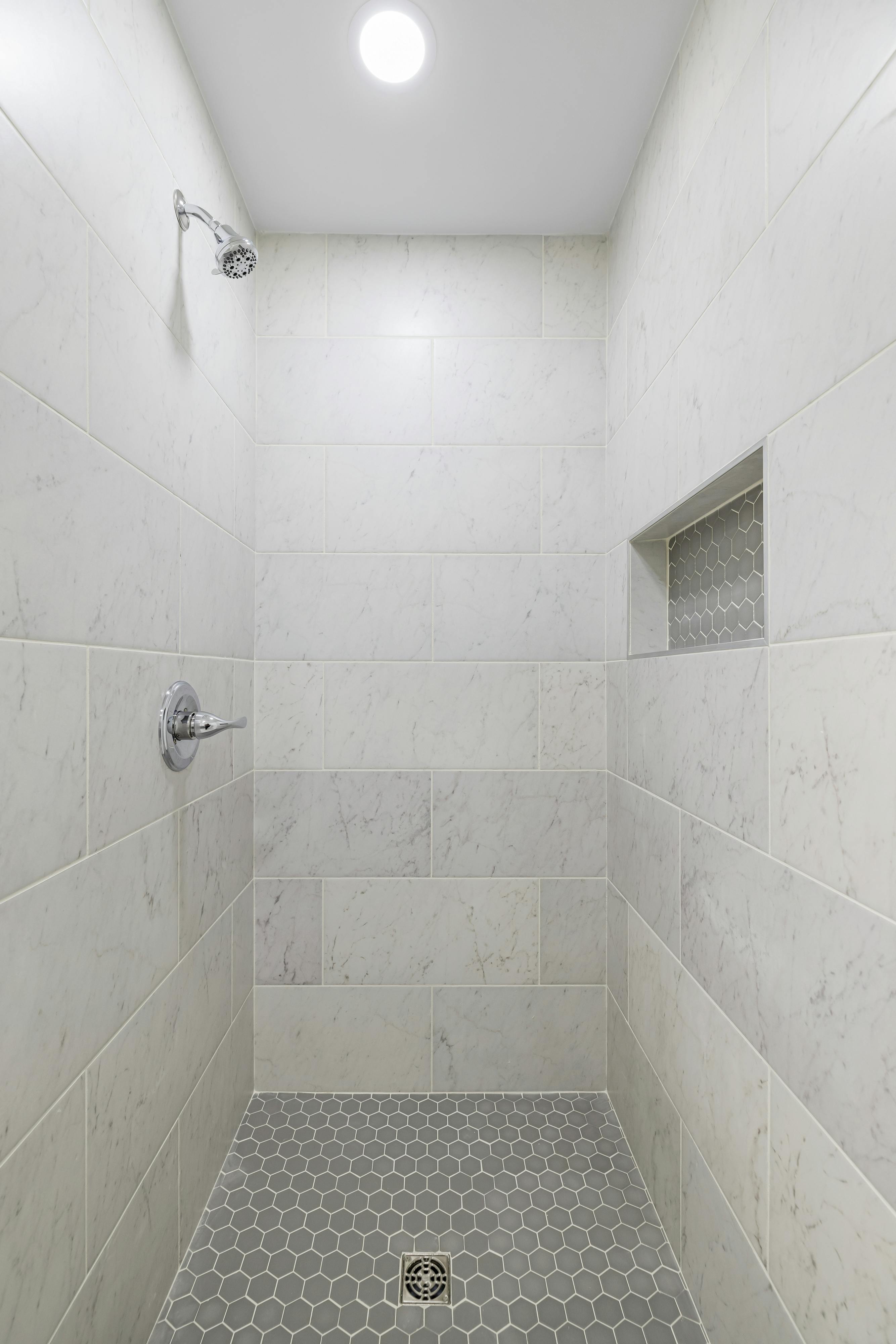 Liquid-applied membranes go on like thick paint. They’re rolled, brushed, or troweled onto cement board or other approved substrates, then cured into a rubbery waterproof layer.
Where liquid membranes shine
Liquid systems can be excellent when we need:
- Easy wrapping around odd angles and curved details
- Simple coverage inside niches, shelves, and around pipe penetrations
- A waterproofing option that doesn’t require managing sheet overlaps in tight spots
The trade-offs we watch for
Liquids are sensitive to workmanship and timing. The most common issues are:
- Uneven thickness (too thin in spots, overbuilt in others)
- Skipping reinforcement fabric where it’s required (especially corners and changes of plane)
- Applying the second coat too soon, trapping moisture and weakening the cure
For another perspective on when each type fits best, this manufacturer discussion of when to use sheet vs liquid membranes aligns with what we see in real homes.
Sheet vs liquid waterproofing: quick comparison for homeowners
CategorySheet membraneLiquid-applied membraneThickness controlFactory-consistentInstaller-dependentSeams and transitionsRequires careful overlap and detailingMonolithic surface, fewer “sheet seams”Corners and penetrationsNeeds pre-formed pieces or careful foldingOften easier to wrap and reinforceCure and schedulingDepends on thinset and systemDepends on coats and cure timeBest fitLarger showers, many details, high inspection confidenceComplex shapes, spot detailing, niches, penetrations
Both systems can work well. The deciding factor is usually not the product type, it’s whether the installer follows the system rules and treats waterproofing like finish work, not prep work.
What works best for your bath: how we choose between sheet and liquid
We choose a waterproofing approach based on the shower design and the risks around it.
1) How much “wet detail” does your shower have?
A simple alcove shower is one thing. Add a bench, a niche, a half-wall, and a frameless glass panel, and the number of failure points climbs fast.
- For high-detail showers, we often lean toward sheet membranes for predictable coverage.
- For targeted detail work, we may use liquid-applied systems where they make the most sense (when allowed by the full system).
2) What sits next to the shower?
This matters for many of our clients who came to us for floors first. If a shower leak reaches hardwood, repairs get expensive fast. Homeowners searching for a top hardwood floor sanding contractor in alpharetta often call after moisture has already stained boards.
Good waterproofing protects more than tile. It protects the framing and the flooring you walk on every day.
If you’re planning a wider update, we often coordinate waterproofing choices with tile layout and floor transitions so the whole room performs as one project. Our team handles expert bathroom tiling services alongside shower remodel work so the waterproofing plan matches the tile plan.
3) Are you remodeling only the bath, or pairing it with other work?
Many homeowners bundle projects. Someone comparing a bathroom remodeling contractor in alpharetta and Milton may also be deciding between a best local kitchen remodeling contractor in alpharetta or a best kitchen contractor alpharetta for the next phase.
When kitchens, baths, and adjacent floors are all in play, we select materials and systems that reduce risk across the whole footprint, not only inside the shower.
Installation details that matter more than the membrane type
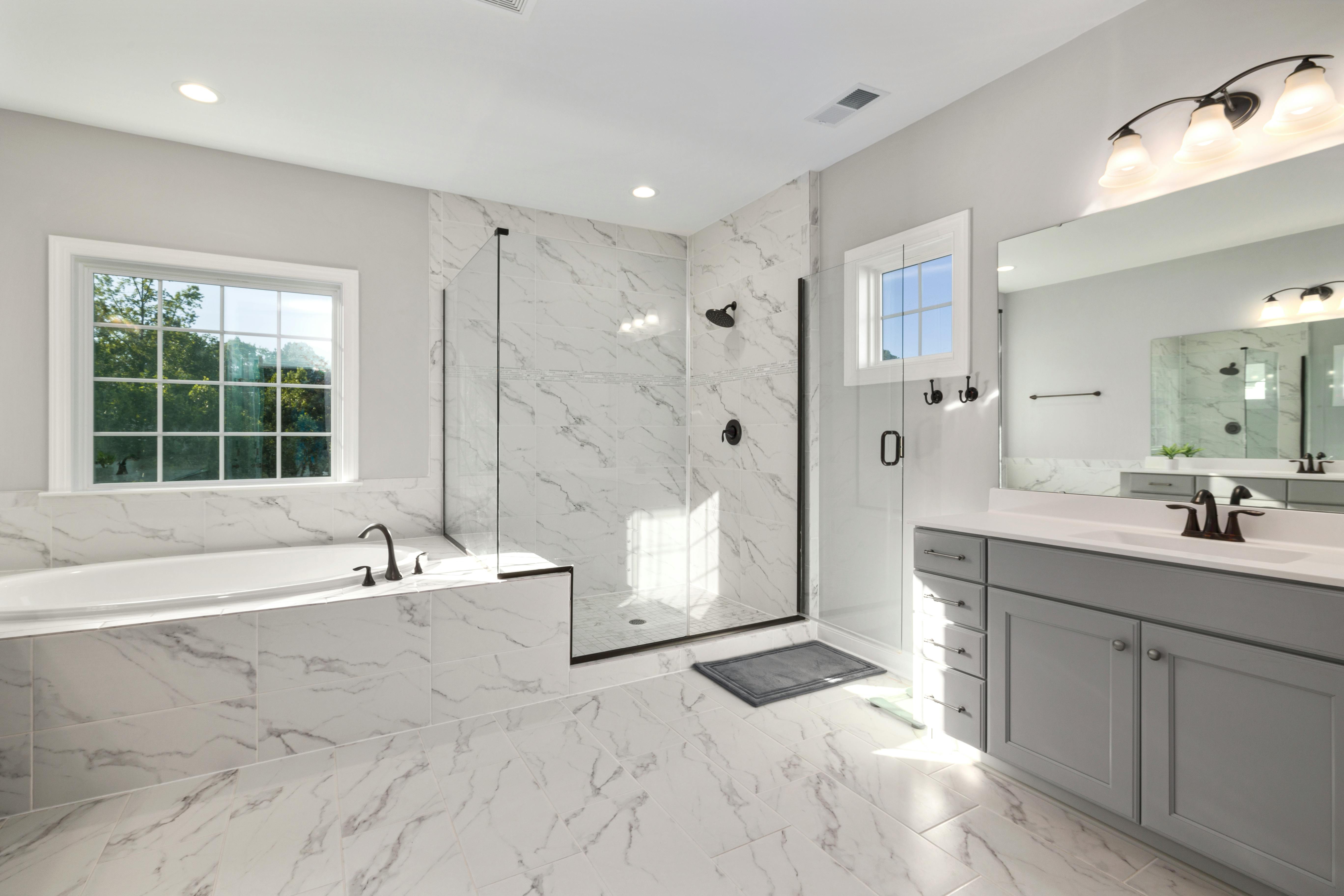 If we had to name the top causes of shower waterproofing failure, they would be boring. They are also the difference between a shower that lasts and a shower that becomes a repair.
Substrate prep: Flat walls, correct fasteners, clean surfaces, and proper joint treatment.
Corners and changes of plane: Corners move. That’s why reinforcement and correct detailing matter.
Drain connection: The drain is not “a hole,” it’s a sealed connection.
Cure times: Rushing to tile can compromise both thinset bonding and membrane cure.
Water testing (when appropriate): A flood test is not a formality, it’s a proof check.
This is also where the right trade partner matters. A tile installation company Alpharetta homeowners trust should be able to explain the waterproofing steps clearly, not wave them off.
A practical note for Alpharetta and Milton homeowners: one contractor, fewer gaps
Many clients come to us for floors and then ask us to handle the bath because they want one accountable team. People looking for the best flooring contractor in alpharetta ga, or the best flooring company alpharetta and milton, tend to value clear scope and clean scheduling.
The same goes for stairs. Water damage near landings and hallways can affect treads, risers, and trim. If you’re also comparing a Stair company Alpharetta or a stair contractor alpharetta, it helps to work with a crew that sees how these areas connect in real homes.
When you want to talk through options, we can start with a free estimate and a clear plan. You can also review our Alpharetta bathroom remodeling services to see how we approach full bath projects.
For pricing, we keep it straightforward: call us at 470-352-1156 for a free estimate, and if you show us any existing written quote from another contractor (same scope and comparable materials), we beat it by 5%. You can also schedule a free estimate online.
Conclusion: choose the system you can inspect, and the crew that won’t rush it
Sheet membranes and liquid-applied products can both perform at a high level when installed correctly. The best choice comes down to shower design, detailing demands, and disciplined installation, especially at corners, seams, and the drain.
If you want a shower that stays dry behind the tile, we recommend focusing on work quality first, then selecting the system that fits your layout and schedule. Call 470-352-1156 for a free estimate, and remember, when you bring us a comparable written quote, we’ll beat it by 5%.