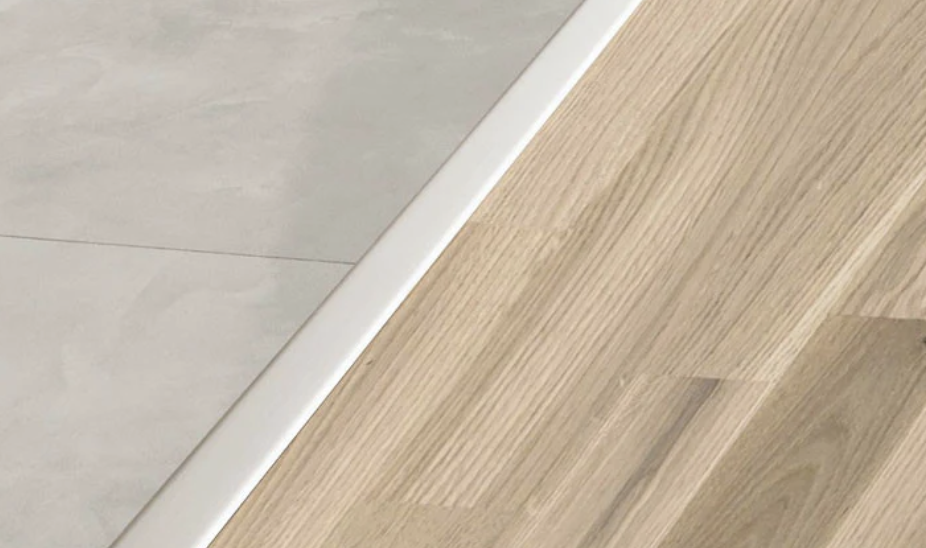
A beautiful new floor can still feel “wrong” if the doorway catches your toe or a hard edge grabs a sock. That small bump between rooms is often the start of a bigger problem: a trip hazard that shows up when you’re carrying laundry, moving fast, or just not looking down.
Floor transitions are not just decorative trim. When we choose the right profile and install it with care, floor transition strips protect the edges of both floors, cover necessary expansion gaps, and create a safer, cleaner step from one surface to the next.
If you want help choosing the right transition, or you want the job done start to finish, call us at 470-352-1156 for a free estimate. If you show us any existing quote from another contractor, we beat it by 5%.
What floor transition strips do (and why they prevent accidents)
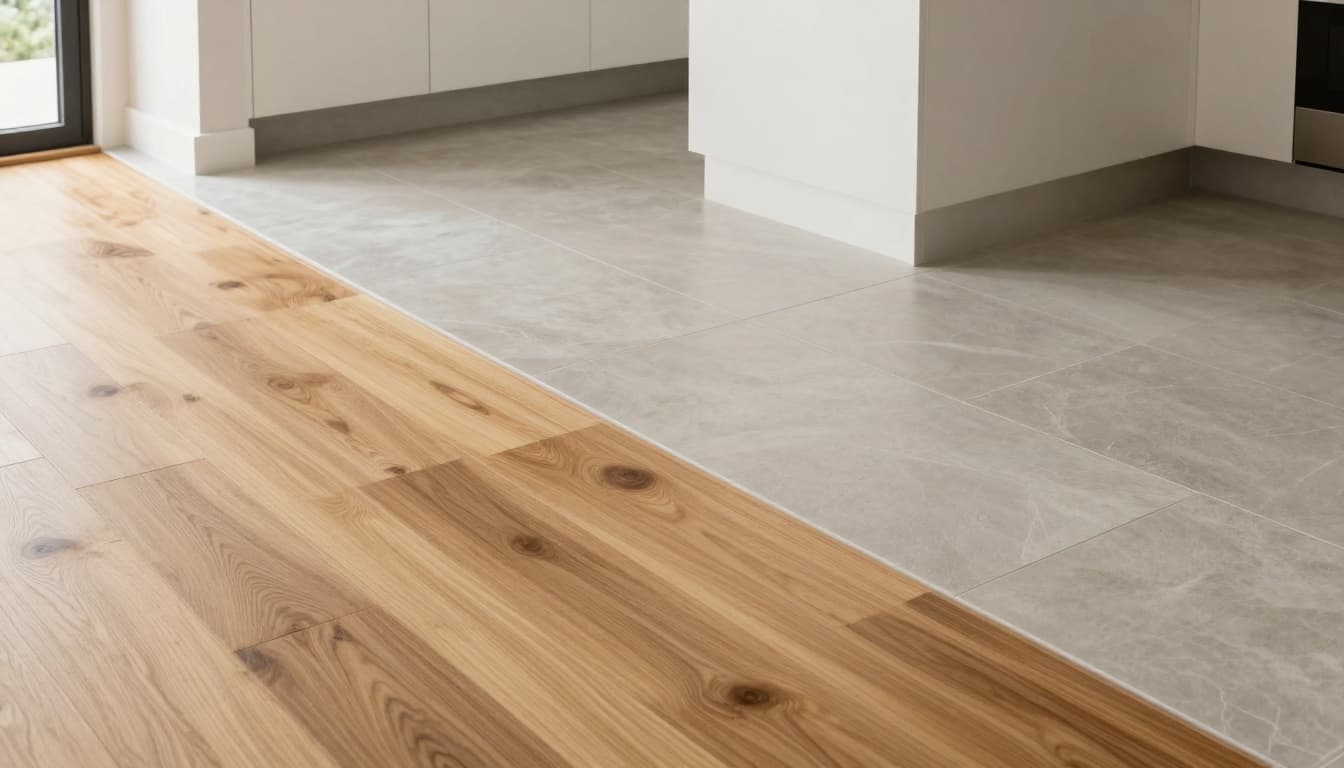
Most homes need transitions at doorways, between rooms, and where flooring types change. Even when two floors look “level,” their real thickness can differ because of underlayment, adhesive, tile backer, or a second layer of plywood.
A good transition strip handles three jobs at once:
- Edge protection: It shields vulnerable floor edges from chipping, curling, or separating.
- Movement control: Many floors need room to expand and contract with temperature and humidity.
- Safe footing: A flush or gently sloped profile reduces the chance of catching a toe.
When transitions are skipped or chosen poorly, the risks show up fast. We see loose edges at floating floors, tile corners that chip at the threshold, and doorway lips that feel like speed bumps. For homeowners who want a deeper primer on transition types, these references offer helpful visuals: Guide to floor transition strips and complete guide to flooring transition strips.
A clean transition should feel like a handshake between rooms. It’s firm, aligned, and not trying to “win” by sitting higher than the other floor.
Reducer vs T-molding: choosing the right profile for floor height differences
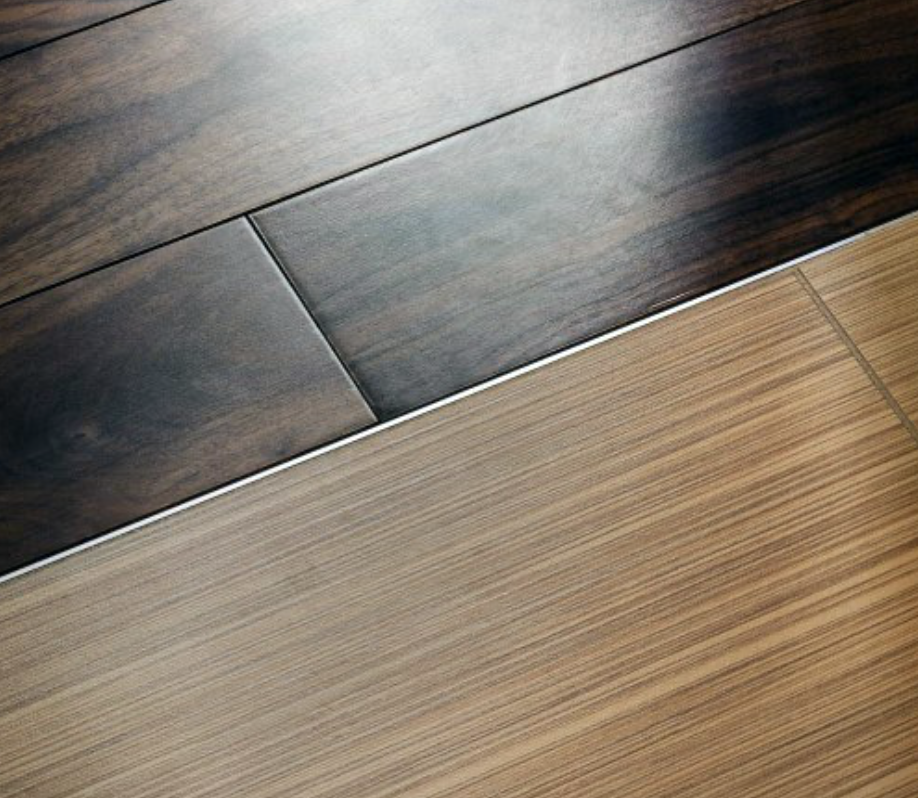
Reducers and T-moldings look similar in a store aisle. On the floor, they behave very differently. The fastest way to pick the right one is to answer one question: are the two finished floors at the same height, or not?
When T-molding is the right choice
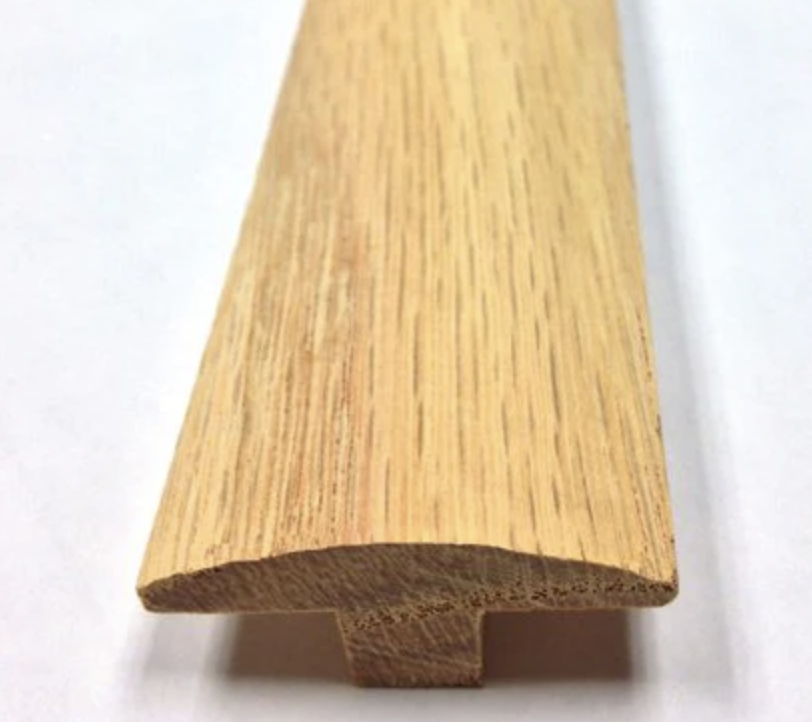
A T-molding (often called a T-bar) is meant for two floors that meet at the same height. Think hardwood to hardwood, LVP to laminate, or engineered wood to tile when the tile build-up was planned to match.
A T-molding sits over the gap like a bridge. That gap matters because many floating floors must not be pinned tight at a doorway. If the molding is installed correctly, the floors can move slightly under it without buckling.
When a reducer is the safer answer
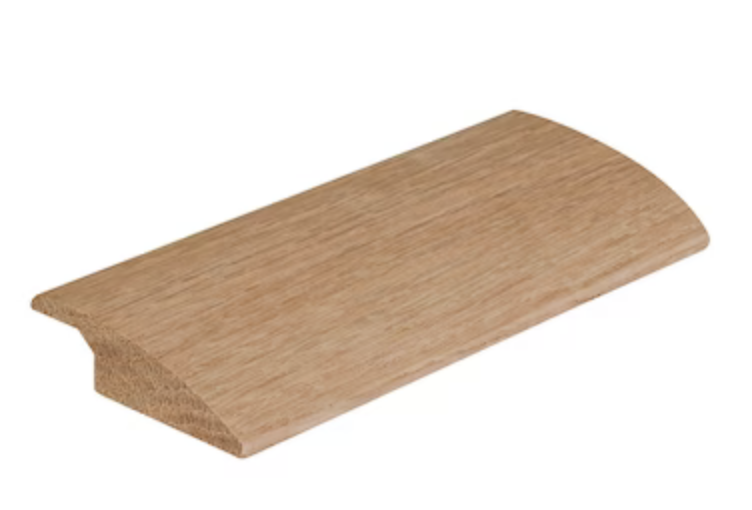
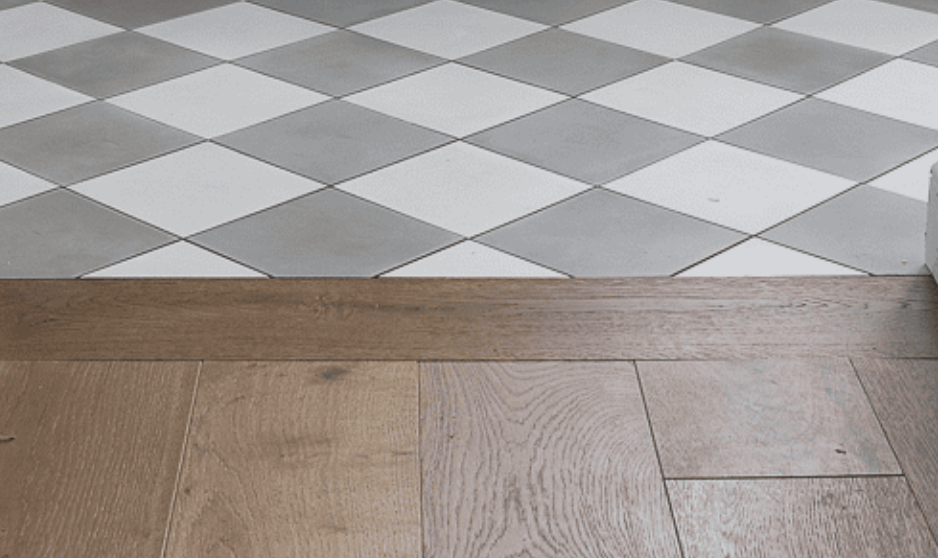
A reducer is designed for two different heights. It creates a gentle slope from the higher floor down to the lower floor. This is common at tile-to-LVP, tile-to-hardwood, and tile-to-laminate transitions, especially when the tile includes cement board or an uncoupling membrane.
Reducers are also useful where a doorway is tight. A tall T-molding can rub the bottom of a door. A reducer can keep the profile lower while still covering the joint.
Quick comparison table (what we use in the field)
| Situation | Best choice | Why it reduces trip risk |
|---|---|---|
| Same height, two hard surfaces | T-molding | Covers the joint without creating a slope |
| Height change between floors | Reducer | Eliminates the “lip” by tapering down |
| Tile at bath or laundry entry | Reducer or threshold | Handles height and moisture-prone edges |
| Long open transition in main areas | Flush transition (planned) or low-profile T | Keeps walking paths smooth and consistent |
When the right profile still looks wrong, the issue is usually planning. Height differences should be handled in the build-up, not “hidden” with an oversized strip. That is one reason we recommend professional planning during comprehensive flooring installation services, especially when more than one flooring type meets in the same hallway.
Measuring for a flush transition (so the strip sits flat and stays put)
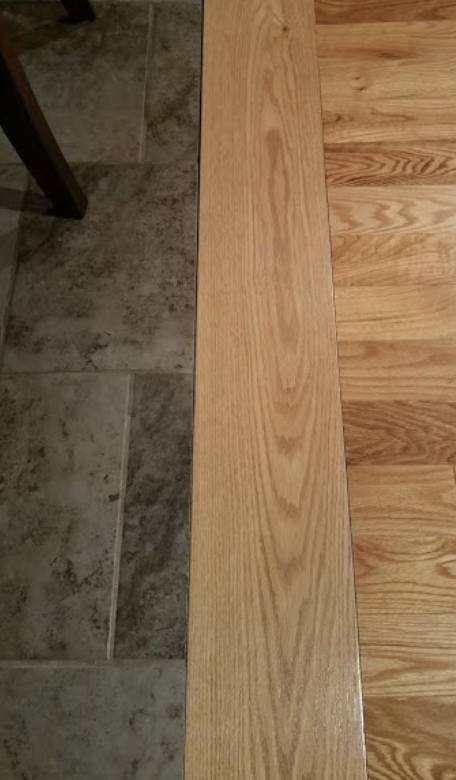
Transitions fail when measurements are guessed. A reducer that rocks underfoot, or a T-molding that “drums” when you step on it, is usually a sign the subfloor is uneven or the profile was not matched to the real height difference.
Before we choose the strip, we measure three things:
1) Finished height on both sides.
We measure from the subfloor to the top surface, not from the underlayment. Tile thickness and thinset matter, and they add up.
2) The expansion gap required.
Floating floors typically need a perimeter gap and often need that same allowance at transitions. A strip that pins the floor can cause buckling later.
3) The width of the transition zone.
A narrow doorway might accept a standard profile. A wide opening may need a longer, more stable solution, or a planned flush transition.
If a floor height difference is larger than expected, we correct the structure instead of forcing trim to fix it. This can mean adding underlayment to the lower floor, correcting subfloor dips, or adjusting tile build-up. It’s not glamorous work, but it’s what stops the strip from becoming a moving edge.
Homeowners considering hardwood should also plan transitions alongside installation and refinishing choices. When we act as the top hardwood floor sanding contractor in alpharetta, we see how small height changes after refinishing can affect door clearances and thresholds. Planning early keeps those surprises out of the final walk-through.
Installation details that keep transitions safe in kitchens, baths, and stairs
Kitchens and bathrooms punish flooring edges. Water, cleaning chemicals, and daily traffic all hit the transition line first. Stairs add another safety layer because your foot is already changing elevation. For these areas, the installation method matters as much as the molding type.
Here are four practices we follow to reduce call-backs and trip hazards:
- Secure the base correctly: Many systems use a track or channel. If it is loose, the strip will move.
- Use the right adhesive where needed: Wet areas may call for adhesives rated for moisture, but we still avoid gluing down floating floors.
- Keep the top edge low: A proud edge catches feet and catches mops.
- Protect the tile edge: Tile corners chip easily at doorways, so we pick profiles that cover or guard the tile edge.
When transitions are part of a larger remodel, the best results come from treating the doorway as a system, not an afterthought. That is true whether we are the tile installation company Alpharetta homeowners rely on, the bathroom remodeling contractor in alpharetta and Milton, or the best local kitchen remodeling contractor in alpharetta managing a full flooring swap.
Stair transitions deserve special attention too. As a Stair company Alpharetta families call for safer steps, we see common hazards like uneven tread nosings and mismatched landing heights. If you’re updating steps, pairing new flooring with professional stair work matters. Learn what a careful process looks like through our expert stair remodeling and redesign and professional stair refinishing services. Many homeowners searching for a stair contractor alpharetta are really trying to solve the same problem: daily use should feel stable, quiet, and predictable.
For showers and wet-room entries, transitions connect directly to waterproofing and tile prep. If you are planning tile work, this shower tile installation preparation guide is a practical checklist.
Conclusion: a safer home starts at the doorway
Floor transition strips are small parts with big consequences. When we match the profile to the floor height, plan for movement, and install it tight and flush, the transition stops being something you notice. That is the goal.
If you want help selecting and installing reducers, T-molding, or stair transitions, call us at 470-352-1156 for a free estimate. If you show us any existing quote from another contractor, we beat it by 5%. We are proud to serve homeowners looking for the best flooring contractor in alpharetta ga, the best flooring company alpharetta and milton, the best kitchen contractor alpharetta, and complete interior upgrades under one roof.