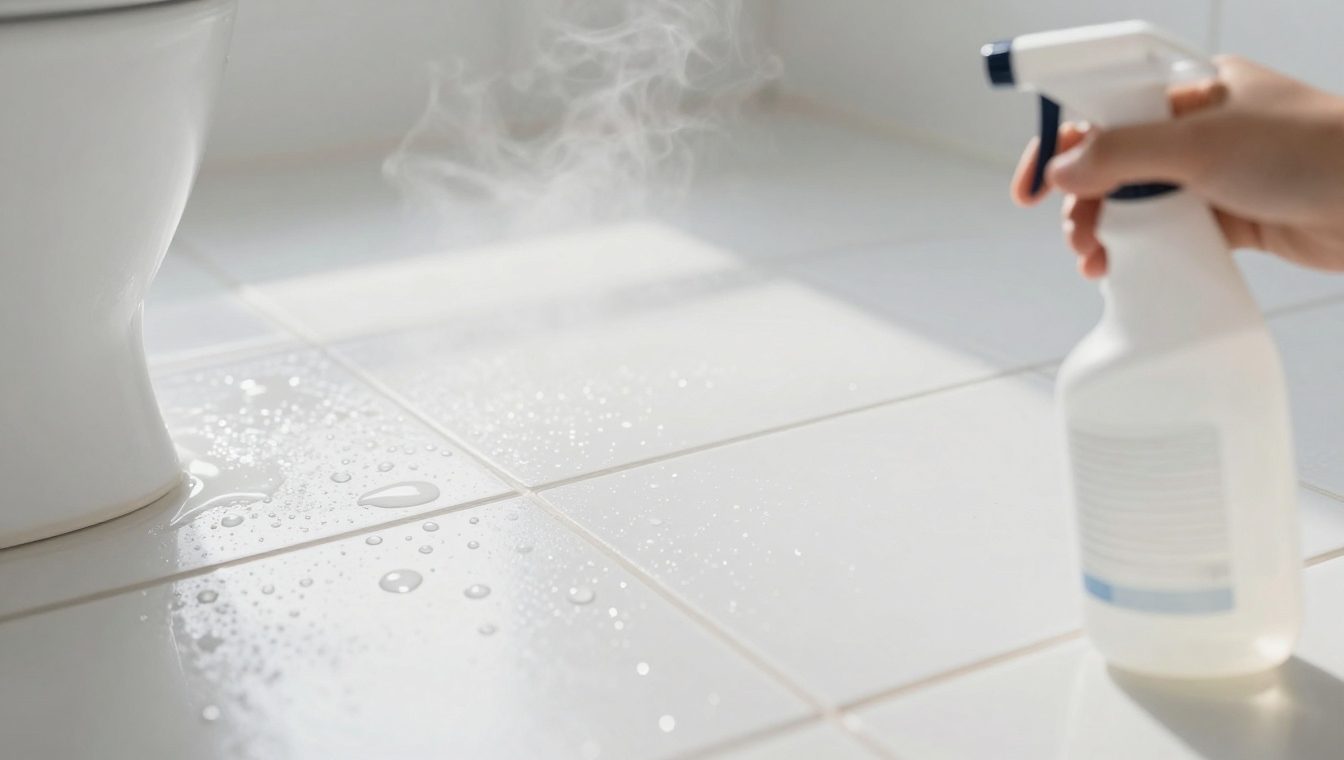
A bathroom can look spotless and still be slick underfoot. In humid homes, moisture hangs in the air longer, and that damp film settles into grout lines like a sponge. Over time, bathroom grout cleaning stops being a cosmetic chore and becomes a safety routine.
We see this often in North Georgia bathrooms: tile that feels fine when dry turns risky after a hot shower. The good news is that consistent, simple habits can keep grout cleaner, improve traction, and lower slip risk without turning your weekends into cleaning marathons.
Why grout becomes a slip hazard in humid bathrooms
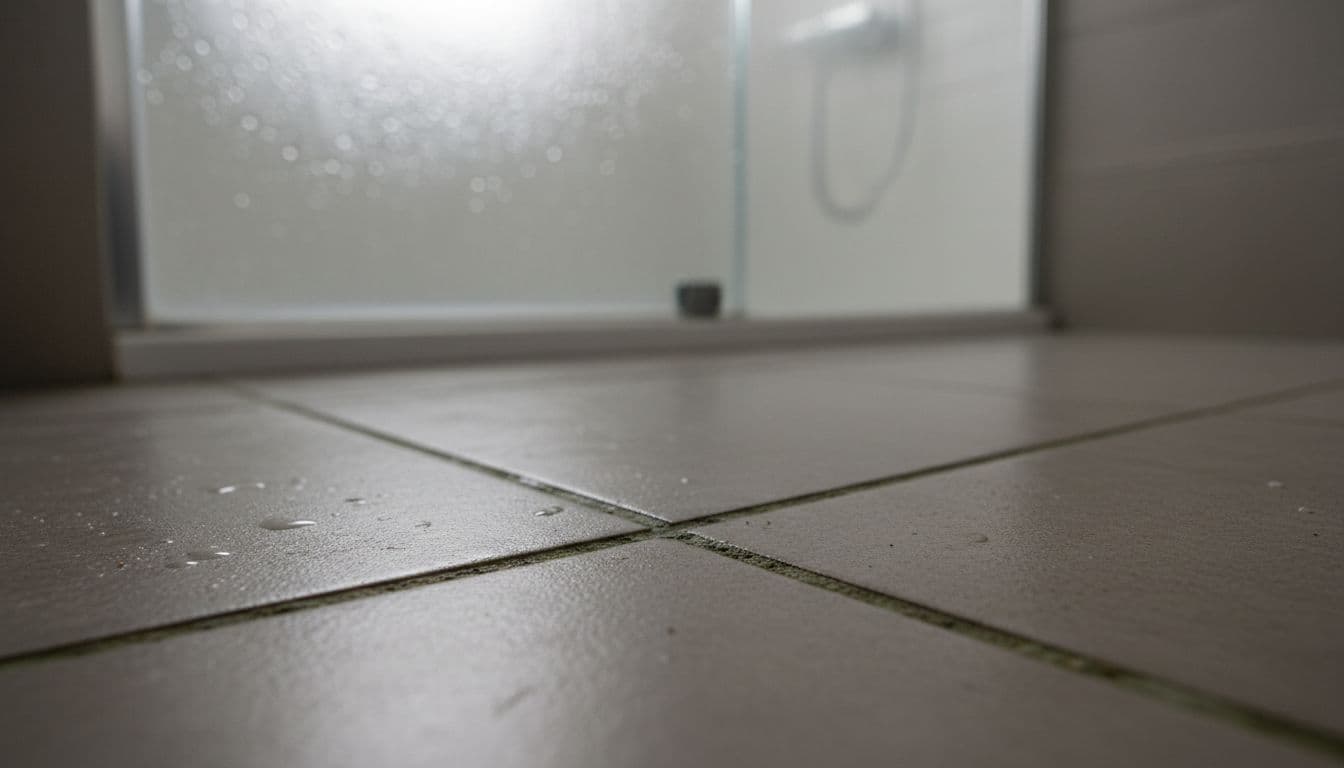
Tile itself is usually not the main problem. The issue is what builds up on it. Humidity feeds biofilm (a thin, slippery layer of body oils, soap residue, and microbes) that clings to grout and spreads onto the tile surface.
Grout is slightly porous, so it holds onto:
- Soap scum and shampoo residue
- Mildew and musty odor sources
- Minerals from hard water
- Skin oils that create a slick sheen
When that mix stays damp, it turns into a low-friction layer. That is why a floor can feel “grabby” one day and slick the next, even when it looks the same from a distance.
Control moisture first so cleaning actually lasts
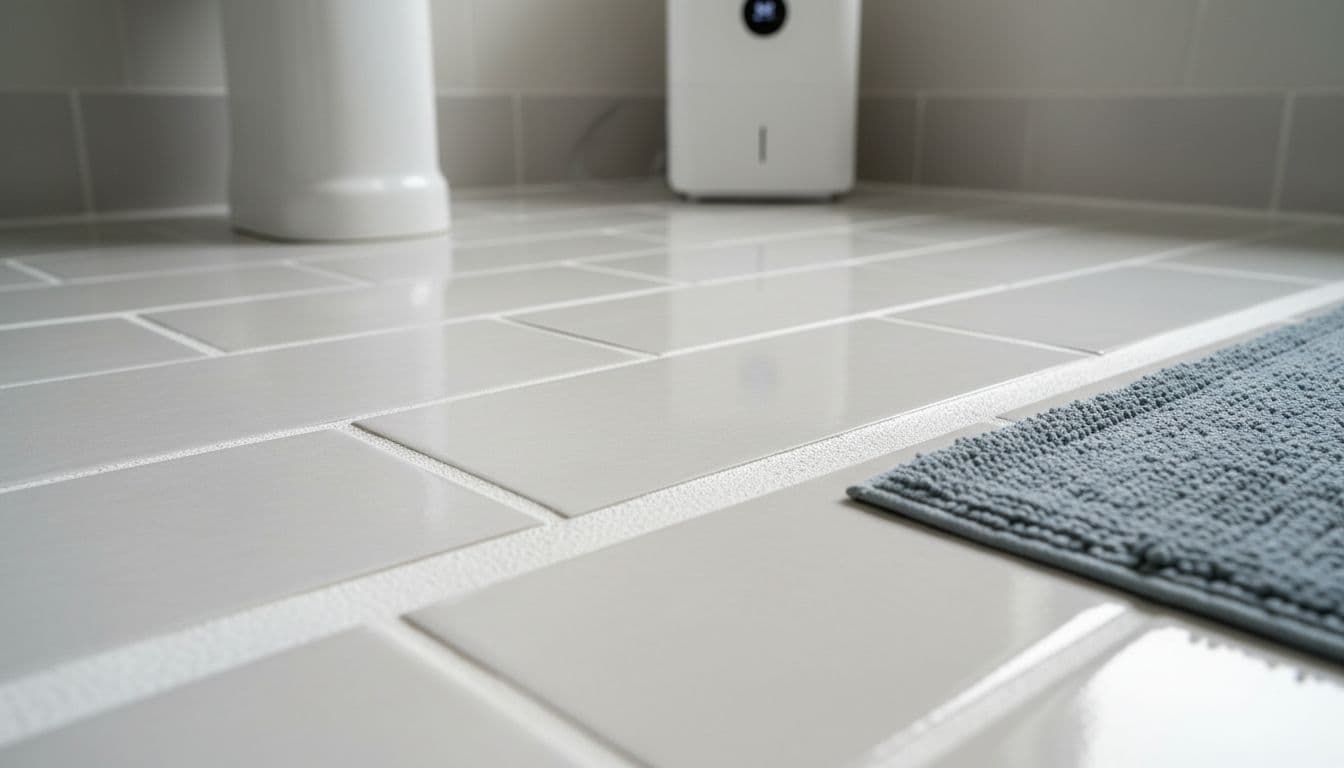
Cleaning helps, but humidity control keeps the results from fading in two days. We recommend treating moisture like the “primer coat” that makes every cleaning step work better.
Start with these basics:
- Run the exhaust fan during showers and for 20 to 30 minutes after.
- Keep the bathroom door cracked if safe and practical, airflow matters.
- Hang towels so they dry fast, damp towels raise humidity for hours.
- If the room stays clammy, add a small dehumidifier and aim for a drier feel, not a tropical one.
- Use a washable bath rug with a non-slip backing, and launder it often.
When the room dries faster, grout stays cleaner longer, and tile maintains better traction.
The daily two-minute habit that prevents slick tile
If we had to pick one routine that gives the best return, it is the quick dry-down after use. Think of it like wiping down a kitchen counter. Small effort, big payoff.
After showers or baths:
- Squeegee water toward the drain or off the main walking paths.
- Use a microfiber towel to spot-dry the tile where you step out.
- Pick up wet bath mats and hang them to dry, do not leave them soaking on the tile.
- Keep a small “drip zone,” one dedicated mat or tray area near the tub or shower.
This daily habit reduces standing water, slows mildew growth in grout, and keeps the floor from becoming a slip-and-slide.
Weekly bathroom grout cleaning that restores traction
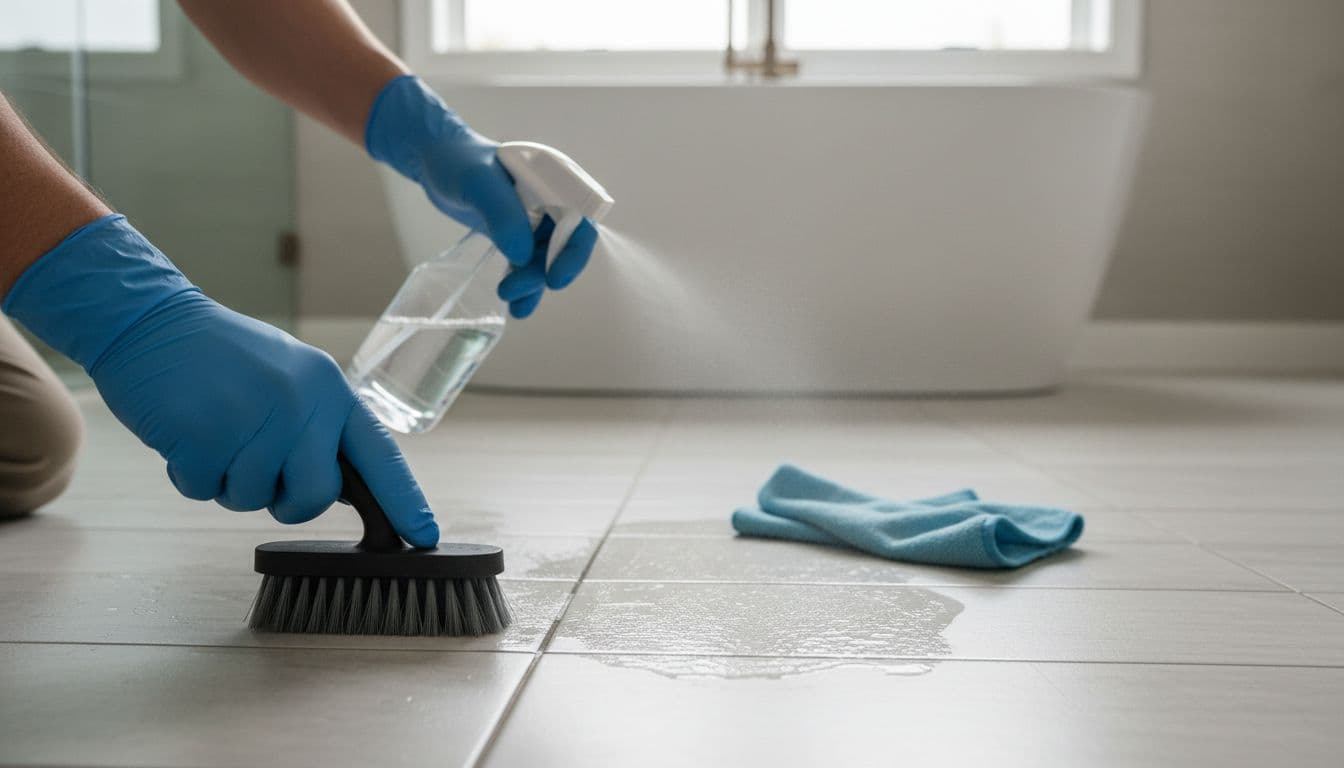
A weekly scrub is where traction returns. The goal is not to whiten grout at all costs, it is to remove the slick film that makes the floor feel greasy.
What we use for most homes:
- A neutral pH tile and grout cleaner (good for routine care)
- A stiff grout brush (hand brush or drill brush on low speed)
- Nitrile gloves and good ventilation
- Two microfiber towels, one for drying, one for buffing
Weekly routine (about 15 minutes):
- Sweep or vacuum first. Grit plus water can act like sandpaper on some finishes.
- Mist cleaner along grout lines, especially near the shower, toilet, and vanity.
- Let it dwell for 5 minutes. Cleaner needs time, scrubbing alone is slower.
- Scrub grout in short sections, then lightly scrub the tile face too.
- Rinse with clean water and wipe dry right away.
Safety note: Do not mix cleaners (especially bleach and ammonia). If you switch products, rinse well between them and keep the room ventilated.
Drying matters as much as scrubbing. If you leave rinse water behind, moisture soaks back into grout and invites the next round of mildew.
Monthly deep-clean and a quick slip-risk inspection
Weekly cleaning handles surface film. Monthly care handles what sinks deeper into grout and corners.
Deep-clean options (pick one approach and stay consistent):
- Oxygen bleach soak (often sold as powdered “oxygen” cleaner): mix as directed, apply to grout, let sit, scrub, rinse well.
- Hydrogen peroxide paste (peroxide plus baking soda): spread on stained grout, wait 10 minutes, scrub, rinse, and dry.
Then do a fast inspection while you are already on the floor:
- Check for cracked grout that holds water.
- Look for loose tiles or hollow spots that flex underfoot.
- Inspect caulk at tub and shower edges, gaps let water get behind tile.
- Confirm bath mats still grip, worn backing can slide unexpectedly.
If anything feels loose or spongy, treat it as urgent. Hidden moisture can cause bigger repairs than a simple re-grout.
When sealing, re-grouting, or remodeling becomes the safer choice
Some bathrooms stay humid no matter how careful you are, especially older homes with weak ventilation. If grout darkens again within days, or stains never lift, a long-term fix can be smarter than constant scrubbing.
We often recommend:
- Grout sealing after a thorough clean and full dry-out (sealant slows absorption, it does not replace cleaning).
- Re-grouting or upgrading to a more stain-resistant grout in high-use areas.
- Tile replacement when the surface finish has worn smooth and stays slippery.
When the bathroom layout or shower is the source of constant moisture, a larger update may be the right move. As a bathroom remodeling contractor in alpharetta and Milton, we handle tile work, shower updates, and full bathroom refreshes under one plan. You can learn more about our Alpharetta bathroom remodeling services and how we approach projects from removal through installation.
Many of our clients also coordinate projects to keep the home consistent, such as working with a local kitchen remodeling contractor in alpharetta for adjacent spaces, or addressing slippery transitions at hallways and stairs. As a flooring contractor in alpharetta ga, we help match materials and finishes so the whole home feels intentional. We also support customers who need a hardwood floor sanding contractor in alpharetta when worn finishes create their own slip risks.
A simple schedule we can maintain in humid homes
| Routine | Time | What it prevents |
|---|---|---|
| Dry-down after showers | 2 minutes | Standing water, slick film |
| Weekly grout scrub | 15 minutes | Biofilm, soap scum buildup |
| Monthly deep-clean + inspection | 30 minutes | Recurring mildew, cracked grout, loose tiles |
If you want one rule to remember, it is this: clean, rinse, and dry. Skipping the dry step is where many routines fail.
Conclusion
Humid bathrooms demand consistency, not harsh chemicals. When we keep moisture down, dry the floor daily, and follow a steady bathroom grout cleaning routine, tile stays safer and more comfortable to walk on.
If grout keeps darkening, tiles feel slick, or you suspect loose areas underfoot, call us at 470-352-1156 for a free estimate. If you show us any existing written quote from another contractor, we will beat it by 5%.