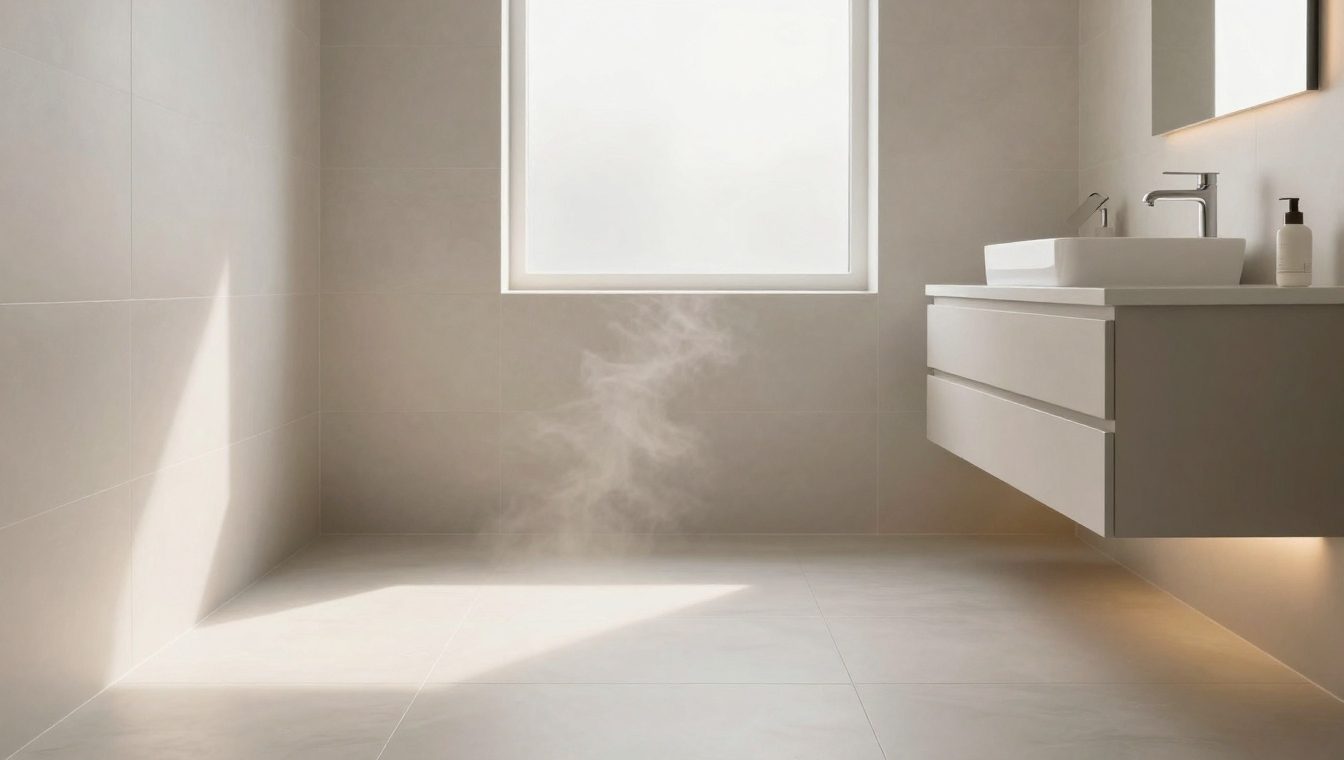
Cold tile in the morning is a shock to the system. A bathroom floor heating system solves that problem with radiant floor heating that warms the tile from the subfloor up, delivering instant floor warming so the room feels comfortable the moment we step in. Homeowners in Alpharetta and Milton also like how it helps moisture dry faster, boosts resale value, and means fewer damp bath mats with less lingering humidity near the vanity.
For bathrooms, electric radiant heat is the most common choice. It fits small spaces well, warms up quickly, and doesn’t require a boiler or plumbing changes like hydronic systems.
We’ve installed flooring and tile in North Fulton for 18-plus years. If you’re planning a heated tile floor, call 470-352-1156 for a free estimate. If you show us any written quote from another contractor, we beat it by 5%.
How under-tile bathroom floor heating works (and why it pairs so well with tile)
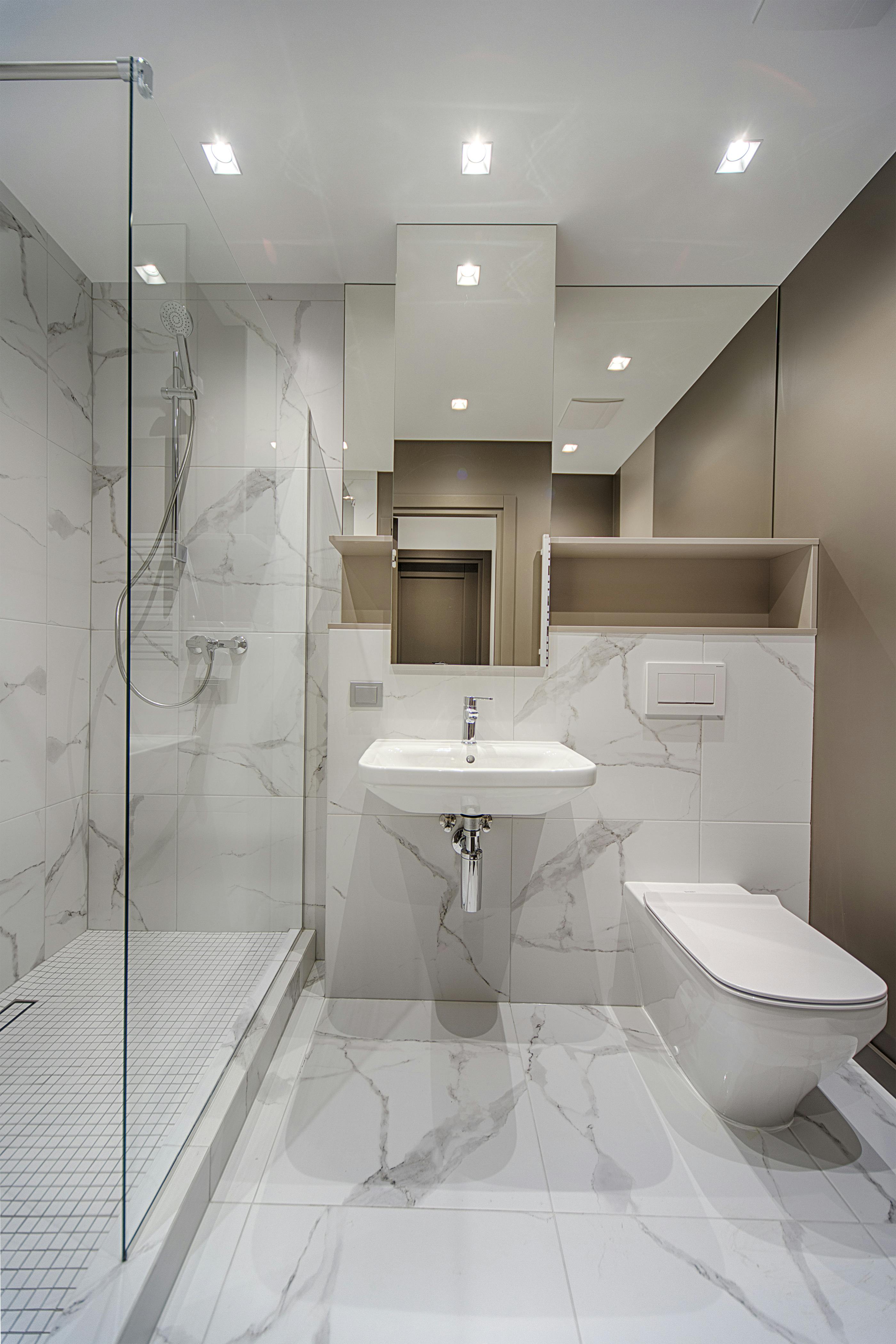
Electric underfloor heating in a bathroom is simple in concept. We place a thin heating cable (or a pre-made heating mat with cable attached) under the tile. When the thermostat calls for heat, electricity warms the heating cable, and that heat moves up through thinset mortar and tile.
This is called radiant floor heating because the warmth rises evenly across the floor surface. Tile is an excellent partner for electric underfloor heating since it transfers heat well and holds it. Without heat, tile often feels cold because it pulls heat away from our feet quickly, even when the room air is warm.
A typical system has four main parts:
- Heating cable or heating mat: The “engine” that produces heat.
- Uncoupling membrane or mat layer: A stable base that helps support tile and can simplify cable placement.
- Floor sensor: A small probe set in the floor that reads floor temperature, not just air temperature.
- Thermostat: Controls on and off cycles, schedules, and temperature limits.
Safety matters as much as comfort. We use GFCI protection (often built into the thermostat or breaker) to reduce shock risk in a wet room. We also follow spacing rules, keep cables from crossing or touching, and test the system before tile goes down and after tile is set. Done right, a heated floor system for tile in bathrooms feels quiet and natural, more like gentle sunshine than forced air.
For deeper cost context and national averages, we often reference calculators like Homewyse’s cost to install radiant floor heat, then we adjust based on the real job conditions we see on site.
Electric cable vs heating mat: what we choose for small bathrooms
Both styles work well, but the room shape decides a lot.
Heating mats install fast in open rectangles. They’re a good fit for a simple layout where we can roll out coverage with minimal cuts.
Cable-in-membrane systems give us more control in tight bathrooms. We can weave heat around a toilet flange, stop short of the vanity toe-kick, and focus on the walking lanes. That selective layout can reduce cost because we heat only the zones you actually stand on.
Schluter DITRA-HEAT in bathrooms: why homeowners ask for it
Many homeowners request a Schluter tile floor heating system because it’s designed as a tile-friendly assembly. DITRA-HEAT combines an uncoupling layer (to help reduce tile cracks from minor subfloor movement) with a studded surface that holds the heating cable in place. In bathrooms, it also supports waterproofing strategies when paired with the right seams and transitions.
On concrete slabs, we often discuss DITRA-HEAT-DUO. It adds a thermal break that can help floors warm faster and feel more efficient. For a quick overview of underfloor heating options and practical pros and cons, this radiant floor heating installation guide is a helpful reference.
Planning a bathroom heated tile floor: costs, layout, and the install steps that matter
A radiant floor heating system for tile and stone is not priced by the room’s total square footage. It’s priced by the heated square footage, which is usually the open walking area. We normally avoid heating under permanent cabinets, vanities, and tubs, both for efficiency and to keep heat where it’s useful.
For homeowner-friendly background on price drivers, we like the clear breakdown in Heated Bathroom Floors: Costs & Considerations. Your final number still depends on what we find when we pull up the existing floor.
Layout and controls matter as much as the product. We plan heat zones so you’re paying to warm the space you feel. We also recommend a programmable thermostat or smart thermostat for morning and evening routines. Warmup time varies by assembly, but many bathroom floors begin to feel comfortable in 30 to 60 minutes, with thicker tile and slabs taking longer than wood subfloors (and contributing to even lower operating costs through better efficiency).
If you want a precise price, call 470-352-1156 for a free estimate. If you show us any written competitor quote for the same scope, we beat it by 5%.
What affects price the most (bath size, subfloor, and electrical work)
These items tend to move the budget the most:
- Heated area size: We price the open floor, not the footprint under fixtures.
- Subfloor flatness and stiffness: Tile and stone, plus heat, both demand a stable surface.
- Waterproofing needs: Bathrooms often need extra care near wet zones and transitions.
- Tile type and format: Large-format porcelain or stone can require more prep for flatness (luxury vinyl tile installs quicker but pairs less ideally with radiant systems).
- Electrical scope: Some bathrooms need a new circuit or a dedicated line installed by an electrician.
A clear, step-by-step overview of a professional install
We keep the process controlled and test-heavy, because once tile and stone are down, problems are expensive to find (unlike risky DIY installation attempts).
- Subfloor prep: Clean, reinforce if needed, and correct dips.
- Membrane or mat placement: Install the chosen underlayment in thinset.
- Cable layout and floor sensor: Place heating elements with correct spacing, set the sensor between runs.
- Electrical connections and GFCI protection: Complete wiring to code and verify protection.
- Testing before and after: We check resistance and continuity multiple times and record readings.
- Tile installation: Thinset, tile, grout, and proper cure time.
- Thermostat setup: Set limits, schedules, and comfort settings after curing.
If you want to see examples of finished tile and stone work, our gallery of completed remodels and floors shows the kind of results we aim for.
Choosing the right contractor in Alpharetta and Milton (and getting the most from your remodel)
When people look for the best flooring contractor in alpharetta ga, they’re usually trying to avoid two problems: unclear scope and unclear accountability. Radiant floor heating touches framing, tile, waterproofing, electrical coordination with a licensed electrician, and protective underlayment with crack isolation, so one dependable lead contractor makes the job easier to manage. We handle flooring, tile, and remodel work as one team, and our Alpharetta Floors about us and services page lays out what we do in homes across Alpharetta and Milton.
We’re also often hired as a bathroom remodeling contractor in alpharetta and Milton, not just for heat mats. Many clients bundle tile floors with a shower rebuild in the shower area, vanity updates for wet rooms, or even adjacent work like stairs and kitchens. That is why we’re called a tile installation company Alpharetta, a Stair company Alpharetta, and a stair contractor alpharetta by customers who want one schedule and one point of contact. The same homeowners may also need the top hardwood floor sanding contractor in alpharetta, or they may plan a kitchen refresh with the best local kitchen remodeling contractor in alpharetta and the best kitchen contractor alpharetta. When projects overlap, we keep decisions consistent, timelines tighter, results cleaner, and energy efficiency higher through smart layout planning, which supports our reputation as the best flooring company alpharetta and milton.
Call 470-352-1156 for a free estimate. Bring any written quote, and we beat it by 5%.
Conclusion
Radiant floor heating makes bathrooms feel calmer and more livable, especially on cold mornings. The best results come from smart heat zoning, proper waterproofing with insulation boards for thermal insulation, careful cable spacing at the right voltage, and repeat testing before tile covers everything. Whether you’re using electric underfloor heating as a primary heat source or supplemental comfort, a bathroom floor heating system like Schluter DITRA-HEAT is a strong option for reliable cable placement and tile-friendly support.
If you’re ready to plan your bathroom floor heating system under tile, call 470-352-1156 for a free estimate. If you show us any written quote from another contractor, we beat it by 5%.