
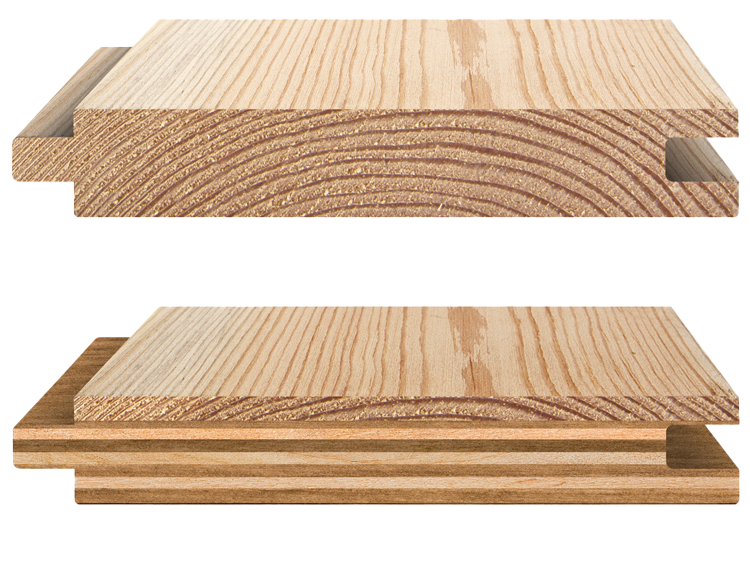
Sanding a floor is like getting a haircut with no undo button. Once we remove that top layer, we cannot put it back. That is why the first job is to identify hardwood flooring correctly, before a sander ever touches the boards.
In homes around Alpharetta and Milton, we often see floors that look like classic oak but behave very differently under sandpaper. Some can be refinished many times, some only once (if at all), and some should never be sanded.
Below are quick, practical field checks we use on site, with simple ways to confirm what you have.
Why the floor type matters before sanding
When we sand, we are removing material, not just finish. The risk is different for each floor:
Solid hardwood: Real wood all the way through. In most cases, it can handle multiple refinish cycles over its life.
Engineered hardwood: Real wood on top, layered core underneath. Some engineered floors can take a light sand, others cannot, it depends on the wear layer thickness and how the floor was installed.
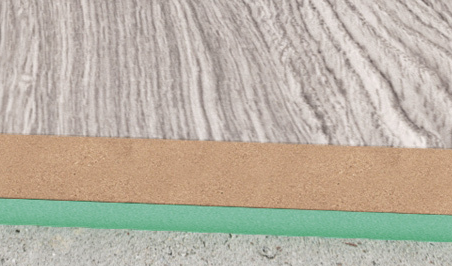
Laminate: A printed photo layer under a clear wear layer, on a fiberboard core. Sanding breaks through the image layer, and the “wood look” disappears for good. If you suspect laminate, we stop and verify before any abrasive work.
For a plain-language comparison of hardwood vs laminate (and why it affects maintenance), we also like this overview from Lifehacker.
The fastest field check: find an exposed edge
The quickest way to confirm what you have is to find a spot where we can see the floor’s side profile. We do not need to pry up boards. We just need a clear edge.
Good places to check:
- A floor vent or HVAC register
- A threshold at an exterior door
- A transition strip to tile or carpet
- A closet corner where trim is slightly lifted
- A stair nosing or stair skirt area (sometimes)
What solid hardwood looks like at the edge
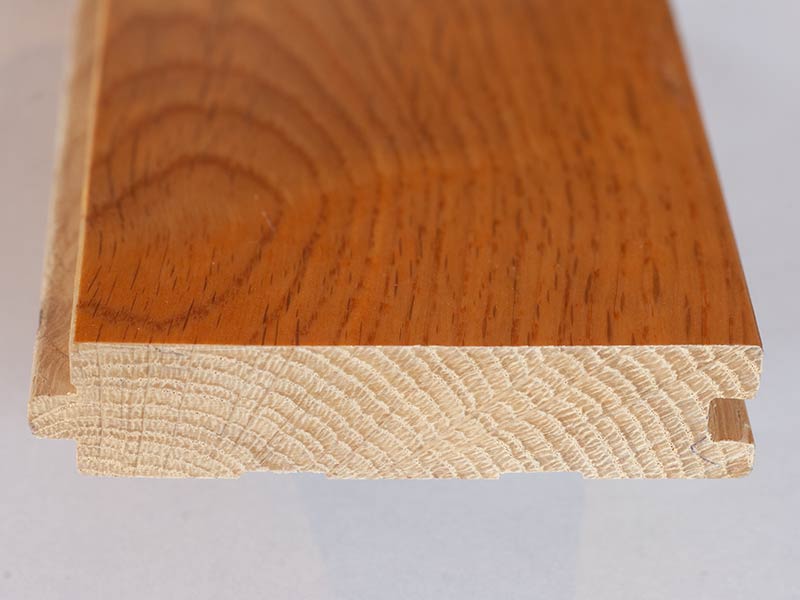
At the edge, solid hardwood is one species of wood throughout. The grain you see on top continues down the side. Even if it is stained dark, the board still reads as one continuous material.
Other hints:
- Board thickness often looks substantial compared with laminate
- End grain can look more “open” and natural, not compressed
What engineered hardwood looks like at the edge
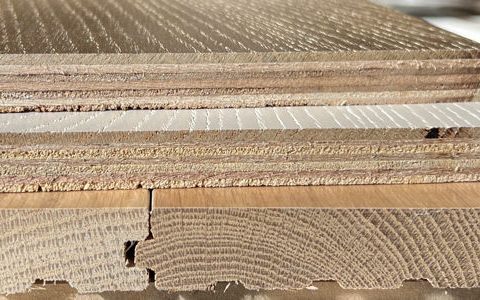
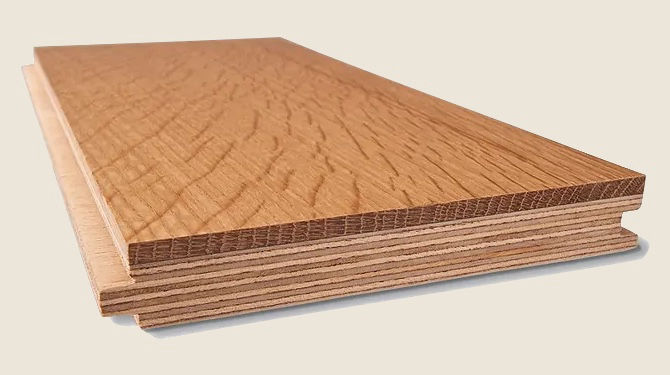
Engineered wood shows a real wood veneer on top, then visible layers underneath (often plywood plies). If you can see distinct stacked layers, that is your confirmation.
Sometimes the veneer is thick enough to refinish once, sometimes it is not. If you do not know the brand or wear layer, we treat it carefully and test in an inconspicuous area.
What laminate looks like at the edge
Laminate usually shows:
- A very thin clear wear layer
- A printed decor layer (the “picture”)
- A dense, uniform fiberboard core (often looks like compressed brown material)
- A backing layer
Laminate edges tend to look manufactured and uniform, not like natural wood grain continuing through the body.
Vent-check method (our favorite on real jobs)
A floor vent gives us a clean viewing window without removing baseboards or transitions. We pull the register, shine a light, and look at the exposed edge.
What we look for:
- One piece of wood from top to bottom (solid)
- Stacked plies under a thin top layer (engineered)
- Fiberboard core with a thin “image” layer (laminate)
If you want another set of simple homeowner checks, this guide is a helpful companion reference: How to Tell What Type of Hardwood Floor You Have.
Quick checks when you cannot see an edge
Sometimes vents are in the wall, thresholds are covered, and transitions are tight. In that case, we use surface clues. None of these alone is perfect, but together they get you close.
Pattern repeat check: Laminate often repeats the same “grain picture” every few boards. Solid and engineered (real wood veneer) tend to vary more naturally.
Seam and bevel check: Many laminates have very consistent micro-bevels and a uniform sheen. Real wood can still have bevels, but small differences show up board to board.
Tap test: A knuckle tap can tell a story. Floating laminate and many floating engineered floors can sound more hollow. Nailed solid hardwood often sounds denser. Subfloor type matters, so we use this as a supporting clue only.
Register heat and moisture clues: Laminate cores can swell at seams after repeated wet mopping or spills, leaving raised edges. Engineered can also react to moisture, but the failure pattern usually looks different than the classic “swollen seam ridge” seen in many laminates.
Scratch-in-a-hidden-spot check: In a closet corner or under a removable toe-kick, a tiny scrape can reveal layers. If a thin film gives way to a printed layer, it points to laminate. If you see real wood fibers and color through the top, it points to wood (solid or engineered).
For a straightforward explanation of visible differences homeowners can spot, this breakdown is also useful: hardwood vs laminate differences.
“Before you sand” decision rules we follow
Once we identify the floor type, we make the sanding call.
If it is solid hardwood
Sanding is usually on the table, assuming the floor is thick enough and not already sanded down too far. If you are planning a refinish, our longer overview on process and expectations can help: How to refinish hardwood floors.
If it is engineered hardwood
We confirm:
- Whether it is glue-down, nail-down, or floating
- Whether the top veneer looks thick enough for a safe sand
- Whether there are beveled edges that will “telegraph” after sanding
If you are choosing engineered for a new install or replacement, these engineered hardwood flooring options explained can help you avoid products that limit future refinishing.
If it is laminate
We do not sand laminate. The right fix is repair, replacement, or a new floor plan. In busy homes, selecting a durable replacement matters, and this guide to high-traffic flooring ideas for durable homes is a good starting point.
When to call us (and what we can handle beyond floors)
If you want certainty, we can confirm the material in minutes and recommend the safest path. For free estimates, call us at 470-352-1156. If you show us any existing quote from other contractor, we beat it by 5%.
Homeowners also ask us to coordinate related work once the floors are addressed. Depending on the project, we may be involved as the best flooring contractor in alpharetta ga, the top hardwood floor sanding contractor in alpharetta, or the best flooring company alpharetta and milton. We also support renovation scopes that include a tile installation company Alpharetta, a Stair company Alpharetta, and a stair contractor alpharetta for tread, riser, and rail updates.
If your plan extends into a larger remodel, we often align the flooring schedule with a bathroom remodeling contractor in alpharetta and Milton, the best local kitchen remodeling contractor in alpharetta, and the best kitchen contractor alpharetta, so the finish work lands clean and on time.
Conclusion
A quick edge check at a vent or threshold is the most reliable way to identify hardwood flooring before sanding. When the edge is hidden, pattern repeat, tap sound, and a careful hidden-spot scratch can still point you in the right direction. If there is any chance you have laminate, stop before you sand. For a fast, clear answer and a free estimate, call 470-352-1156, and bring any competitor quote so we can beat it by 5%.