
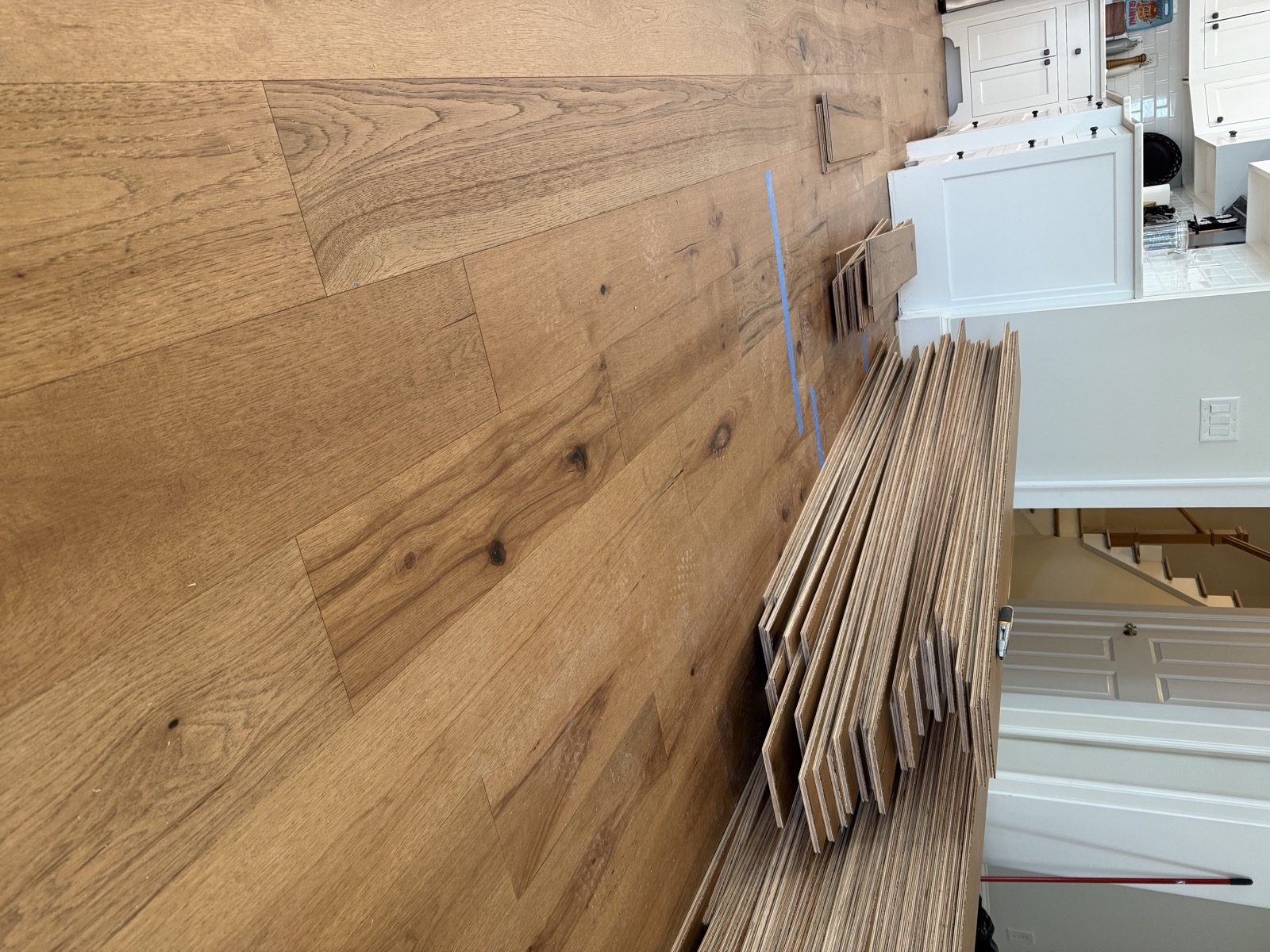
Floor Height Changes After Switching From Carpet to Hardwood: Fixing Stair Landings and Trip Points Safely
Pulling up carpet and revealing hardwood (or installing new hardwood) feels like opening a window in your home. Everything looks cleaner, brighter, and more finished. Then you take the first walk through the hallway and feel it, a small “catch” at the top of the stairs or at a landing that wasn’t there before.
That “catch” is more than an annoyance. A floor height transition that’s even slightly off can turn a normal step into a trip point, especially on stairs where our feet expect the same rise every time.
Below, we explain why height changes happen after carpet removal, where the hazards show up most, and how we fix stair landings and transitions in a way that looks right and walks safely.
Why carpet-to-hardwood swaps change height (even when the floor looks flat)
Carpet is deceptively thick. Even if the carpet itself seems thin, the pad adds height and “give.” When we remove carpet and pad, the subfloor often ends up lower than the surrounding finishes. When we add hardwood, the total build-up may still land higher or lower than what was there before.
Common reasons the height changes:
- Carpet pad compression: Old pad can be crushed flat in traffic lanes, so the “real” height was uneven.
- Hardwood thickness and underlayment: Solid hardwood, engineered wood, glue-down systems, and floating floors all build up differently.
- Subfloor repairs: Rotten plywood patches, leveling compound, and added underlayment can change the plane.
- Stair details: Stairs are not forgiving. A small change at the top tread or landing can create a noticeable lip.
For homeowners, it can feel like a simple swap. Structurally, it’s more like changing the thickness of a book in a stacked pile and expecting the shelf to sit perfectly level.
The most common trip points: stair landings, nosings, and doorways
A floor height transition is most dangerous where we move quickly or don’t look down:
Top-of-stairs landing: The worst spot for a surprise height change. A small drop or hump right at the edge is a classic trip hazard.
Stair nosing: If the new tread and nosing profile do not align with the landing, your toe catches. If the nosing overhang is wrong, your heel can slip.
Bottom step to hallway: The first step off a staircase often carries momentum. Unevenness here leads to stumbles.
Hardwood-to-tile entries: Kitchens and baths often have tile. If the transition is abrupt or the wrong molding is used, it becomes a toe-stubber.
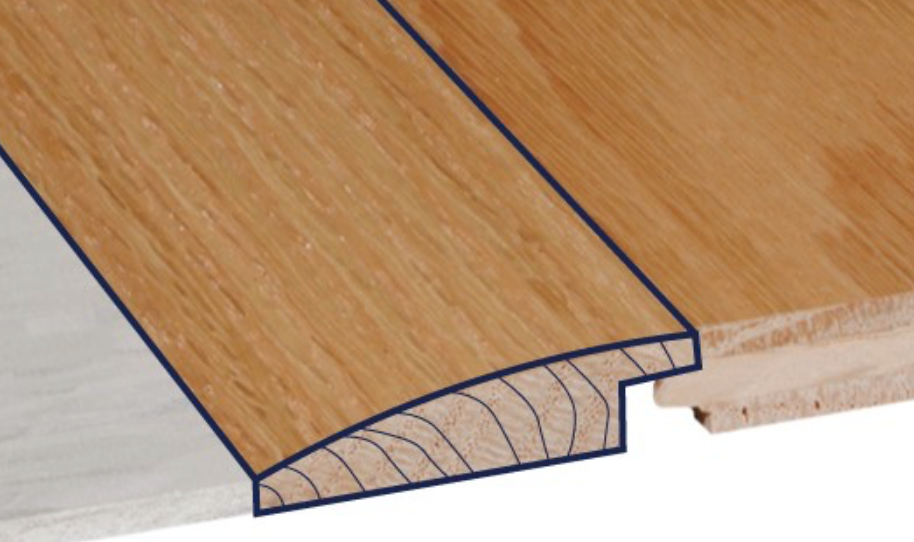
A clear visual example: a landing lip that needs a reducer
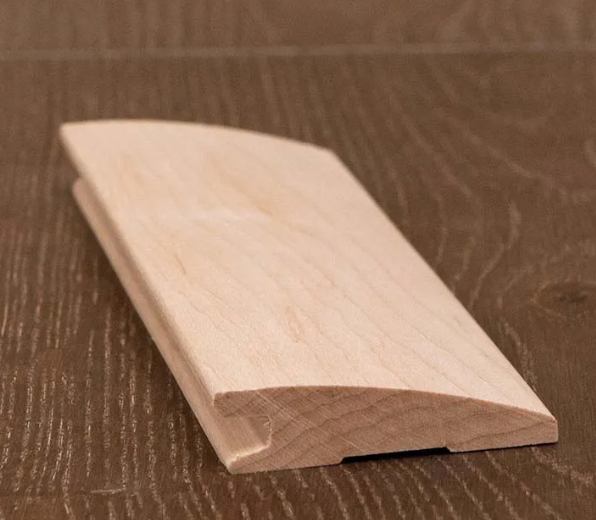
A reducer is not just “trim.” It’s a safety component that changes a sharp edge into a gentle ramp so your foot rolls over it instead of catching.
Measure first, fix second: what we check before any repair
Before we recommend a solution, we measure and look for the “why,” not just the symptom.
1) We confirm stair rise consistency
Stairs should feel predictable. If one step is slightly taller, it becomes the step everyone trips on. Even a small variation can be noticeable.
This is why we measure multiple risers, not just the one that “feels off.”
2) We identify whether the problem is the landing, the tread, or the floor field
A trip point at the top of the stairs might be caused by:
- A landing that sits low after carpet removal
- A tread that was replaced and is now too thick
- A new hardwood layer that changed the finished floor elevation
Each cause points to a different fix.
3) We inspect the edge condition and fastening
Loose transition strips, squeaks, and flex near the edge often mean the subfloor needs attention, not just a cosmetic cover.
What “safe” fixes look like (and what to avoid)
There’s a big difference between hiding a height change and correcting it.
Safe ways to correct a floor height transition
Reducer or threshold molding (properly sized): Best when the height difference is modest and the edge is stable.
Feathered underlayment or floor patch: Useful when we need to bring one side up gradually, especially in a hallway run-up to stairs.
Rebuilding the landing edge: Sometimes the landing needs a new build-up and a clean, square edge so the nosing and trim sit flush.
Replacing or reworking the top tread: If the top tread became the oddball after flooring changes, correcting that tread is often safer than stacking trim.
Fixes we avoid for safety reasons
- Stacked quarter round as a ramp: It looks improvised and does not create a stable walking surface.
- Soft transitions that compress: Foam or overly flexible strips can create bounce at the edge.
- “Just add a rug”: Rugs slide, curl, and hide the hazard until it’s too late.
Getting the stair nosing and landing edge flush (the detail that prevents toe-catches)
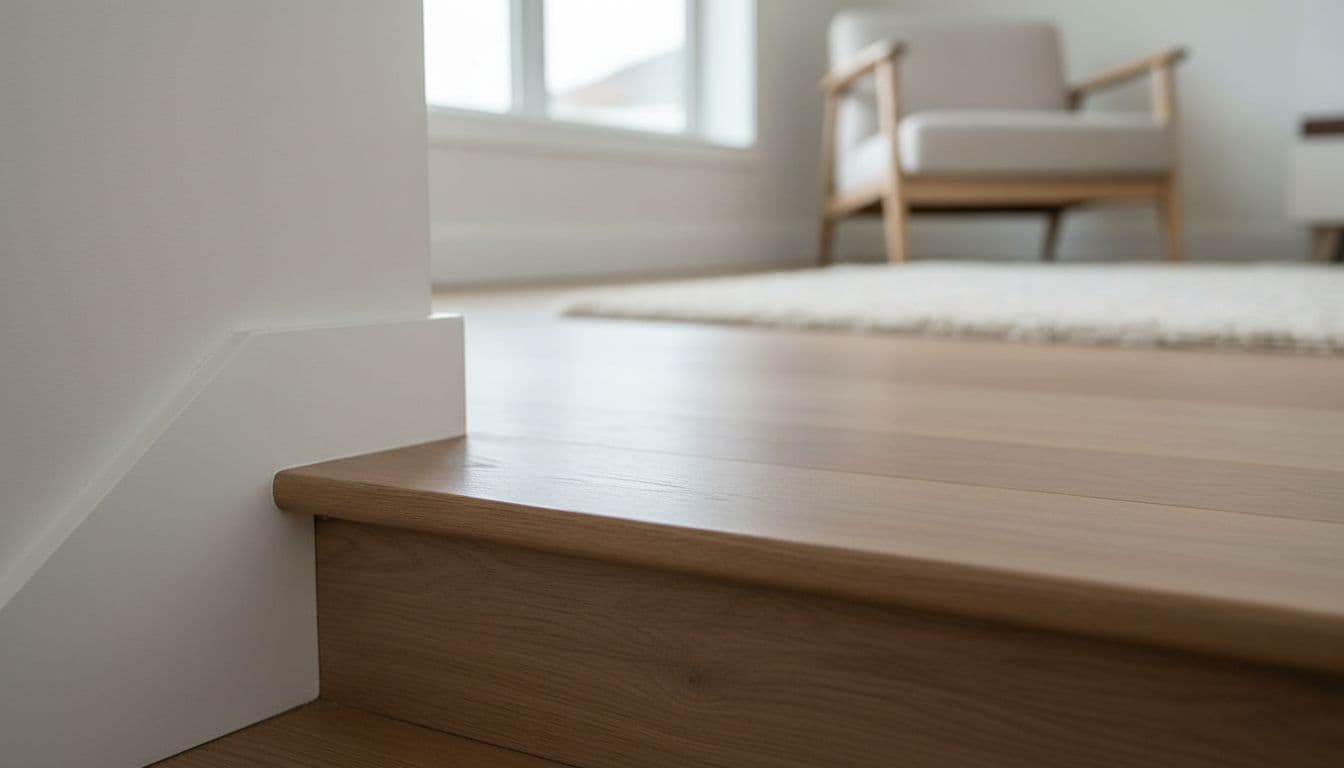
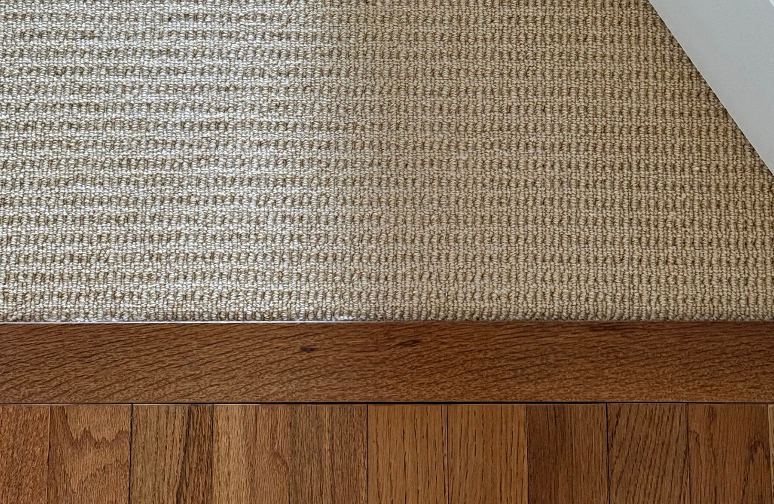
Close-up of a flush stair nosing and landing floor
A clean stair edge is not only visual. It changes how the foot lands. We aim for a landing edge that is:
- Flush or intentionally reduced, not left as a sharp lip
- Rigid underfoot, no flex when stepping near the edge
- Consistent in profile, so every step feels the same
When homeowners call a Stair company Alpharetta or a stair contractor alpharetta, this is the kind of detail that separates a good-looking staircase from a safe one.
For larger updates, we often point clients to stair remodeling services so the landing, treads, risers, and rails work as one system.
Verifying consistent risers after carpet removal (the tape measure test)
Carpet can hide uneven treads and risers. Hardwood exposes them. When the finish changes, old framing quirks suddenly show up as a “weird step.” We correct the root cause when possible, so the staircase walks naturally again.
If visibility is part of the issue (for example, a step edge that blends into the floor), ideas on contrast and marking can help.
Hardwood meeting tile in kitchens and baths: don’t create a new trip hazard
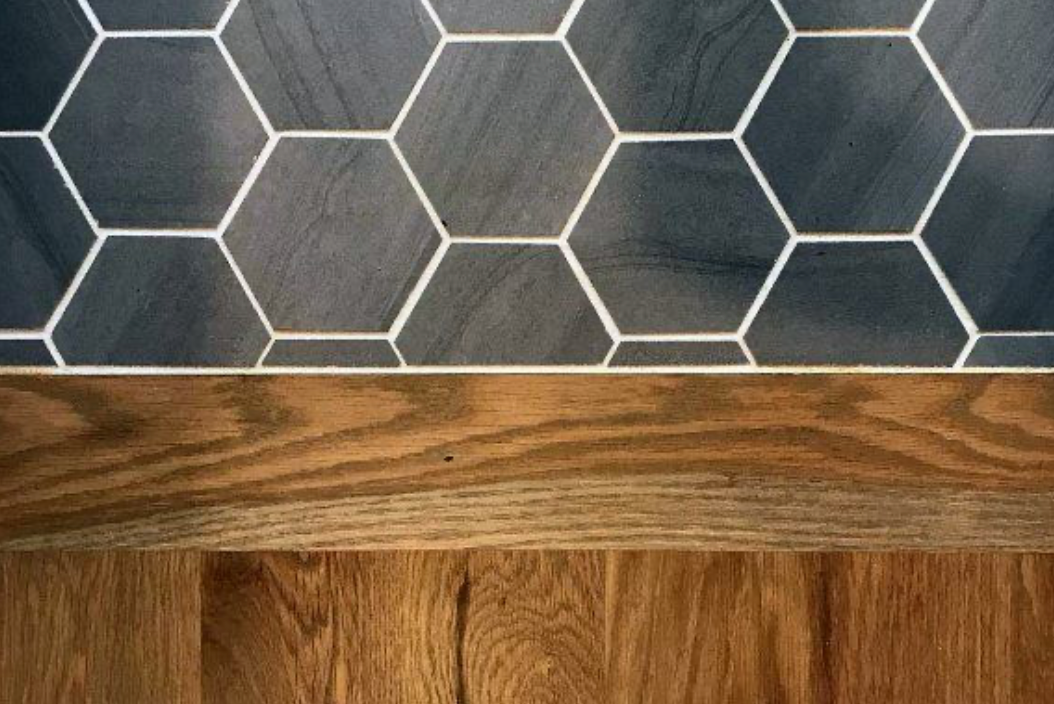
When hardwood runs into tile, a safe transition is just as important as the tile layout. A good reducer or threshold should respect both finishes and keep the edge protected.
This is where choosing a tile installation company Alpharetta matters. Tile height depends on the tile, mortar bed, underlayment, and prep. If those layers are not planned alongside the hardwood thickness, the doorway becomes the next trip point.
Many of our flooring calls also connect to remodeling. Homeowners often search for the best local kitchen remodeling contractor in alpharetta, the best kitchen contractor alpharetta, or a bathroom remodeling contractor in alpharetta and Milton because floors, cabinets, and tile heights all interact.
 ## Sanding and refinishing can change elevations at stair edges too
If we are refinishing existing hardwood near stairs, sanding removes material. It is usually small, but at an edge or nosing, it can affect how parts meet.
When clients need refinishing, we recommend reviewing our hardwood floor sanding approach so expectations are clear, especially around stairs and transitions. For deeper background, our guide on how to refinish hardwood floors explains what the process does well and where repairs may be needed first.
Many homeowners who compare contractors ask for the top hardwood floor sanding contractor in alpharetta, and for good reason, sanding near stair details requires steady control and planning.
How we help you choose the right fix (and avoid paying twice)
We see two patterns in the field: transitions that were never planned, and transitions that were rushed at the end. Both lead to call-backs.
When clients compare bids, they often search for the best flooring contractor in alpharetta ga or the best flooring company alpharetta and milton. For stair work, they may also look for a Stair company Alpharetta. The best choice is the team that measures first, explains options in plain terms, and corrects the cause, not only the symptom.
If you want us to evaluate a floor height transition at a stair landing or doorway, call us at 470-352-1156 for a free estimate. If you show us any existing written quote from another contractor, we beat it by 5% with a comparable scope.
A carpet-to-hardwood upgrade should not leave you stepping around a hidden hazard. A safe floor height transition is stable, gradual when needed, and consistent with the way stairs are built to be walked. When we correct landings, nosings, and thresholds the right way, the home feels natural again, not like a project with a patch at the end.
For a free estimate, call us at 470-352-1156. Bring any written quote, and we’ll beat it by 5%.