
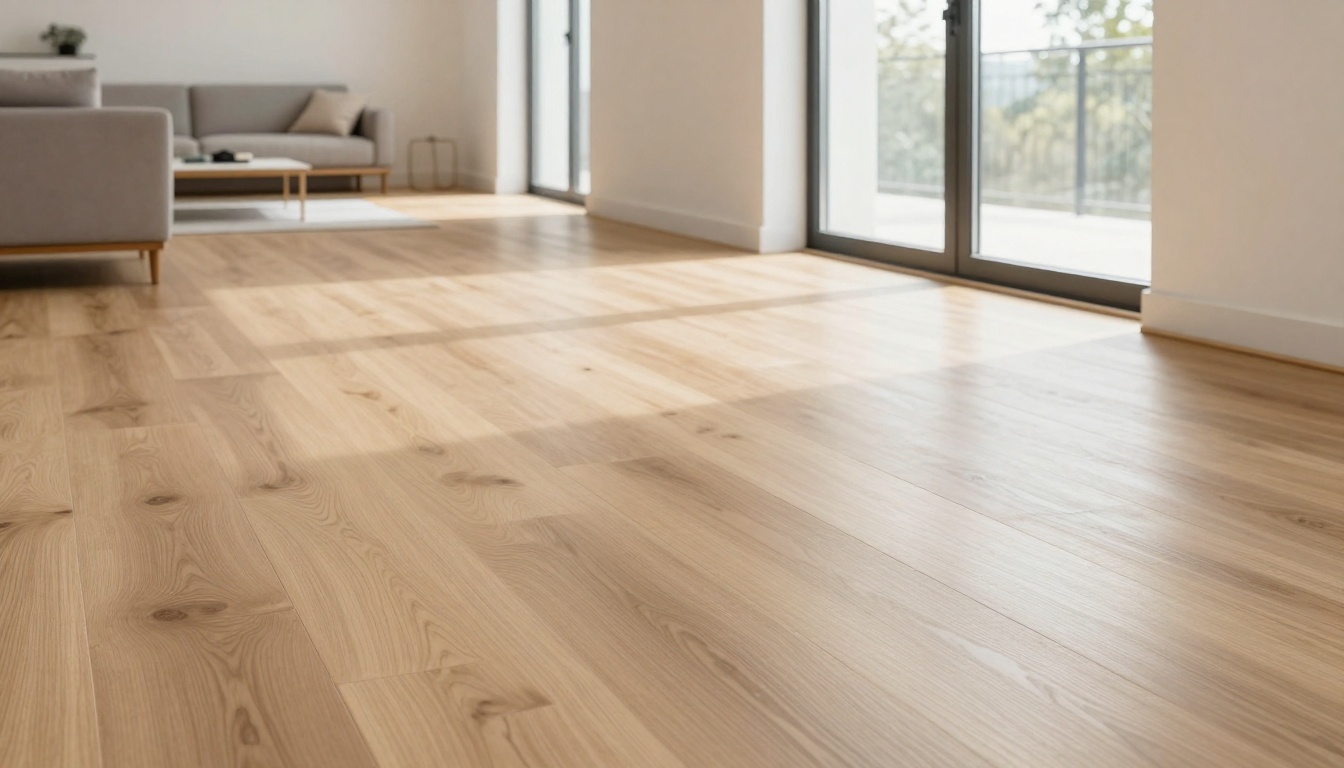
A floor can make a room feel calm and open, or it can make it feel chopped up. The difference is often not the material, it’s flooring plank direction and the plank layout plan behind it.
When we plan direction well, the eye moves smoothly, the space reads wider, and end joints look intentional instead of busy. When we plan poorly, we get awkward breaks at doorways, distracting seam lines, and rooms that feel smaller than they are.
If you want a professional layout plan in Alpharetta or Milton, call us at 470-352-1156 for a free estimate. If you show us any existing quote from another contractor, we beat it by 5% (with comparable scope and materials).
Start with the “sight lines” that control how big a room feels
Before we talk about patterns, we choose what the floor should “follow.” In most homes, three sight lines drive the decision:
1) The longest clean wall
Running planks parallel to the longest wall often makes the room read longer and more open.
2) The main light source
When boards run with the strongest daylight, seams and small height changes tend to look less obvious. Quick-Step explains this visual effect well in their guidance on the best direction to install flooring boards.
3) The primary path through the room
A floor looks cleaner when plank direction supports how we walk through the space, like from a foyer into a living area.
One practical note: for nail-down hardwood, subfloor structure can matter. When we evaluate joists and subfloor thickness, we can confirm the direction that is both attractive and sound.
Pick one “anchor direction” for the main area, then decide how far to carry it
In open-concept homes, we usually treat the largest connected area (living, dining, kitchen) as the anchor. A consistent direction across that span can make the whole footprint feel bigger because the floor reads as one surface.
When we change direction, it should be for a clear reason, like:
- A true break in spaces (a doorway with a door, or a different material)
- A structural need (rare, but it happens)
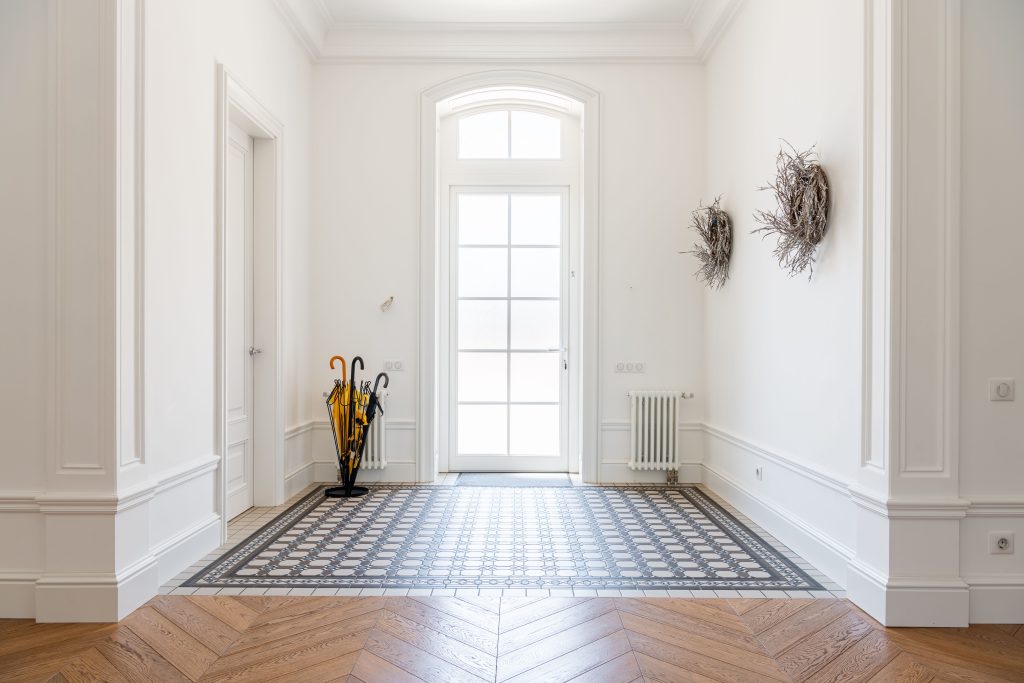
- A design feature that deserves emphasis (like a statement entry)
For homeowners in Alpharetta and Milton, this is often where a layout plan becomes the difference between “nice new floors” and a home that feels more spacious. If you are comparing options, our professional flooring installation services page shows how we approach prep, layout, and transitions so the final look feels consistent.
Hallways and doorways: where good layouts win or lose
Hallways are the truth test for layout. A hallway is basically a runway, so direction and seam placement are easy to spot.
Hallway direction that makes spaces feel longer
In most cases, we run planks lengthwise down the hall. It reduces the “ladder rung” look and makes the corridor feel longer.
Bedroom doorways: continuous run or clean break?
We see two approaches work well:
Continuous direction: The same plank direction runs from hall into bedrooms, if the geometry allows it. This looks expansive and modern, but it demands careful planning so end joints don’t land right at a doorway edge.
Transition at the doorway: A threshold or T-molding creates a deliberate break. This can look cleaner when rooms are out of square, when product lots vary, or when moisture zones differ (like a bath).
For a plain-language reminder on why planning matters before the first row goes in, Family Handyman’s installer perspective on the right way to lay flooring is worth reading.
Clean seams come from layout discipline, not luck
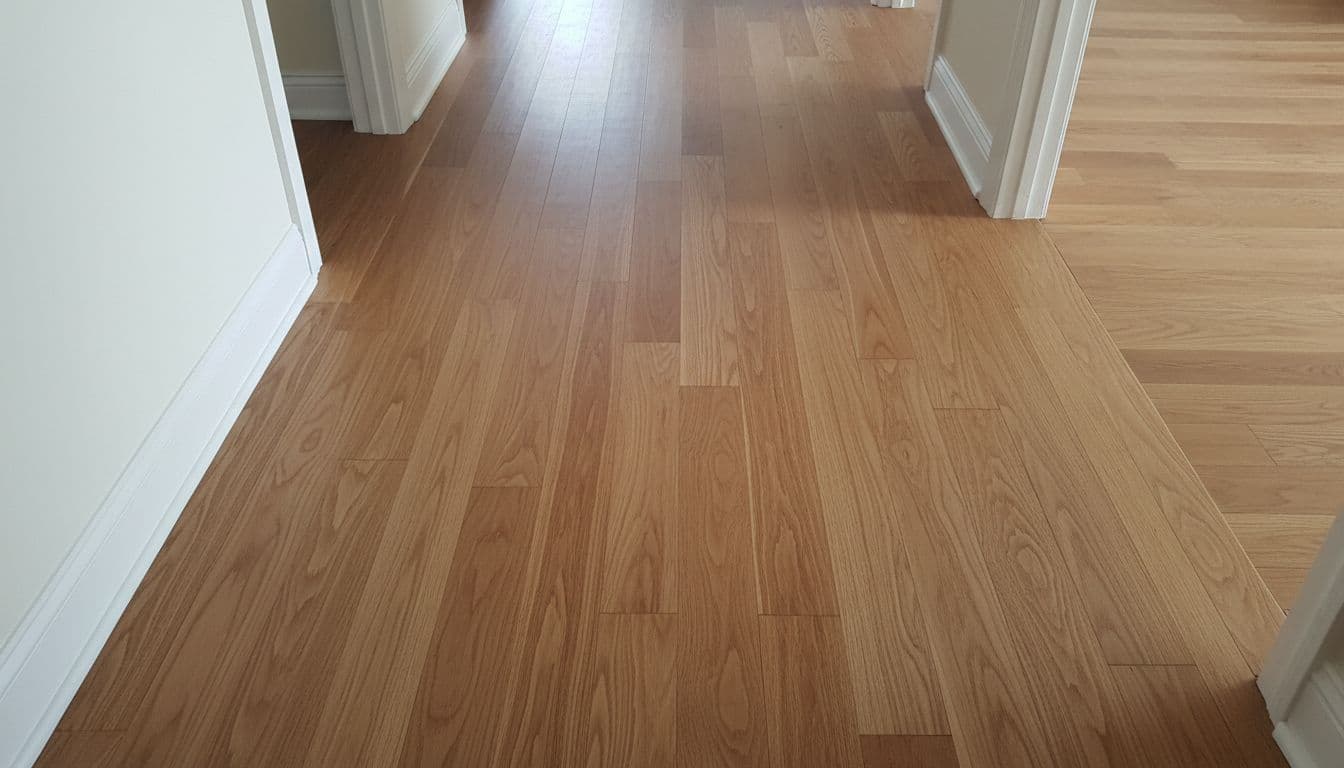
“Clean seams” means the eye doesn’t get snagged on patterns that repeat too fast, joints that stack, or skinny slivers at walls. We focus on three items.
1) Set a straight starting line, even if the walls are not straight
Few rooms are perfectly square. If we start by following a crooked wall, the whole field can drift and our cut lines at the far side get ugly.
We prefer to establish a straight reference line, then scribe the first rows as needed. That keeps the plank field true, and it keeps the perimeter cuts more balanced.
2) Stagger end joints like it’s a design feature
A good stagger looks random, but it is controlled. Most manufacturers require a minimum offset between end joints (often 6 inches or more). We also avoid “H-joints” and stair-step repeats that form visible grids.
Here’s a quick rule we use: if we can predict the next three end joints, the pattern is probably repeating too much.
3) Plan where “hard breaks” will hide best
Hard breaks include transitions to tile, shifts in direction, or terminations at exterior doors. We plan these so the break lands where it reads natural, not like a patch.
This table summarizes what we often recommend:
Layout situationWhat usually looks bestWhy it reads cleanerLong rectangular roomPlanks parallel to the long wallMakes the footprint feel largerNarrow hallwayPlanks lengthwiseReduces visual “rungs”Doorway into small roomEither continuous run or a planned thresholdAvoids awkward joint clusters at doorsMixed materials (tile + plank)Straight transition line, centered when possibleMakes the change feel intentional
Kitchens, baths, tile, and stairs: special layout decisions that affect seams
Kitchens: align the floor with the “cabinet geometry”
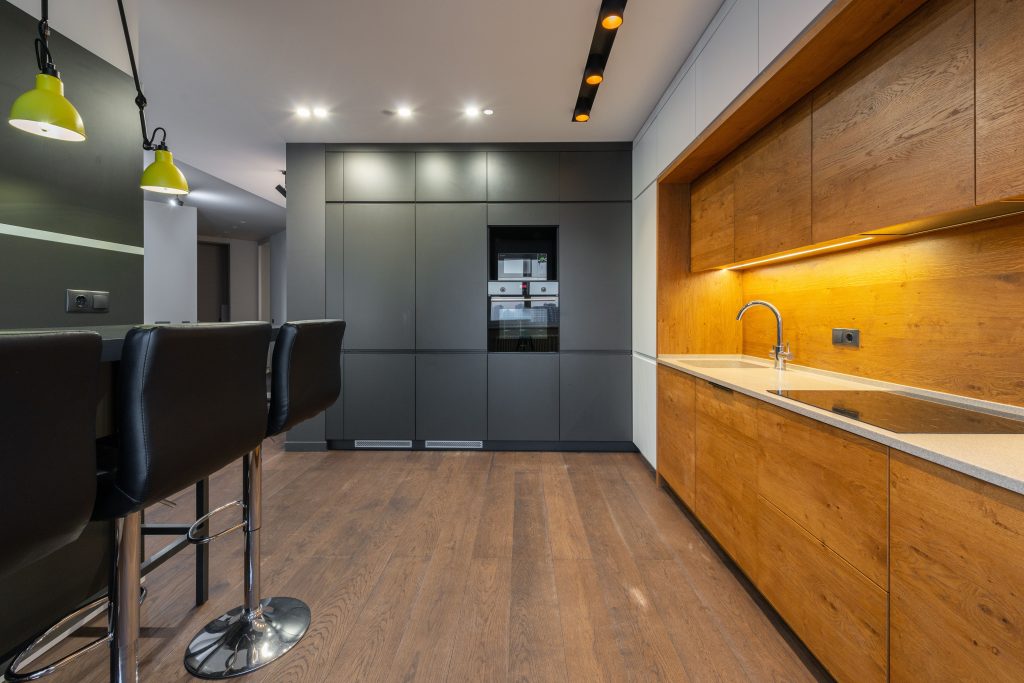
In kitchens, we plan around long cabinet runs, islands, and appliance openings. Sometimes the best-looking direction is the one that reduces tiny cuts at toe-kicks and avoids a thin strip along an island edge.
Many clients also want plank flooring to flow into the kitchen from the living space. We can usually do that, while still keeping expansion gaps correct and transitions neat.
Bathrooms: respect moisture zones and transitions
In bathrooms, the cleanest seam is often the one that is also the smartest break. Many homes switch from plank to tile at the bath entry for water control and long-term durability.
If you are planning a full bathroom update, we can coordinate flooring, tile, and layout so it reads as one design. Our Alpharetta bathroom remodel services page outlines how we handle full-scope work.
When homeowners search for a tile installation company Alpharetta, they are usually looking for more than tile set straight. They want cuts to look balanced at walls, slopes to drain correctly, and transitions to sit flat with no toe-stub edge.
Stairs: keep direction and nose details consistent
Stairs show mistakes fast because every tread repeats. If you are hiring a Stair company Alpharetta or a stair contractor alpharetta, confirm how they will handle nosing profiles, stain match, and tread-to-floor transitions. Small differences look big when they repeat 12 times.
When you want the plan done once, and done right
We can plan your flooring plank direction, doorway transitions, and stagger pattern before material is cut. That planning is also why homeowners looking for the best flooring company alpharetta and milton often ask us to handle both layout and installation, not just labor.
We also support broader remodels. If you are comparing crews for a bathroom remodeling contractor in alpharetta and Milton, or evaluating a best local kitchen remodeling contractor in alpharetta and best kitchen contractor alpharetta, we can coordinate floors with cabinetry, tile lines, and stair work so the house feels cohesive.
For existing hardwood, layout planning still matters during repairs and refinishing. Many clients call us a top hardwood floor sanding contractor in alpharetta because we focus on consistent edges, clean transitions, and finishes that look even across rooms. You can review our sanding approach on Hardwood floor sanding in Alpharetta.
Conclusion
A bigger-looking room and cleaner seams come from a clear plan: choose an anchor direction, respect light and traffic lines, control joint staggering, and treat doorways like design moments. Done right, the floor feels like one calm surface, not a set of boxes.
For layout planning and installation, call us at 470-352-1156 for a free estimate. Bring any existing quote from another contractor, and we’ll beat it by 5% with comparable scope. If you want results you can live with for years, flooring plank direction is the first decision we should get right.