
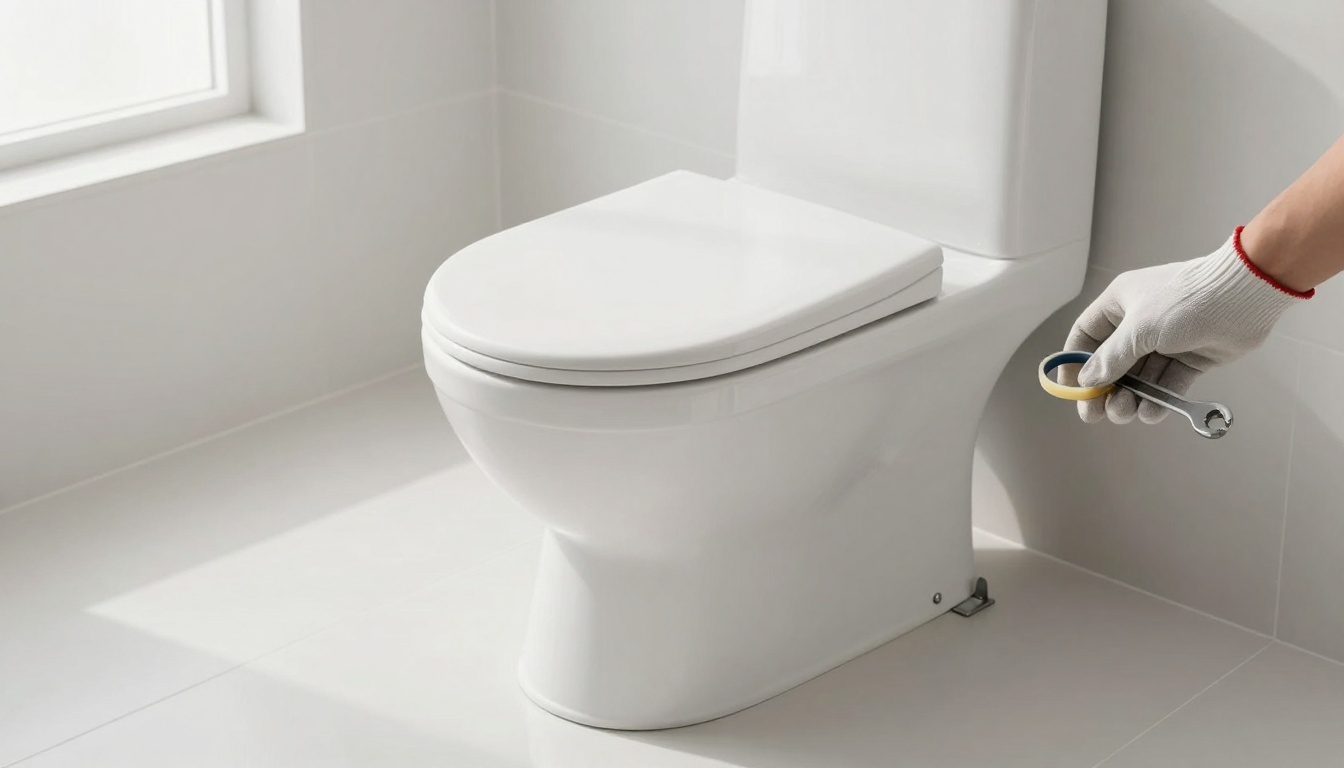
A new tile floor or vinyl upgrade can make a bathroom feel fresh, clean, and finished. Then the toilet goes back in, and suddenly it rocks like a wobbly table. Sometimes there’s a faint sewer smell, or a slow leak that shows up days later.
In many homes, the cause is simple: the toilet flange is now too low because the finished floor is higher than it used to be. The good news is that this is usually fixable without guesswork, if we use the right parts and follow a safe method.
Below, we’ll explain how to confirm the problem, when a toilet flange extender is the right solution, and how to stop rocking toilets and repeat leaks for good.
Why a low toilet flange causes rocking and leaks
A toilet is designed to clamp down onto a seal (wax ring or a wax-free gasket) that sits on the flange. When the flange sits too far below the finished floor, the toilet may touch the tile or vinyl before it fully compresses that seal.
That creates two common failures:
- Rocking: the toilet base hits a high spot and pivots.
- Leaks: the seal never compresses correctly, so water or sewer gas finds a path.
Manufacturers and plumbing pros consistently emphasize flange height as a key detail. Oatey’s guide on toilet flange installation best practices explains why setting the flange at the proper height reduces leak paths.
Confirm it’s really a low flange (not a cracked tile or uneven subfloor)
Before we buy parts, we like to verify three things. Think of it like hanging a door, if the frame is out of square, no hinge “fix” will make the door behave.
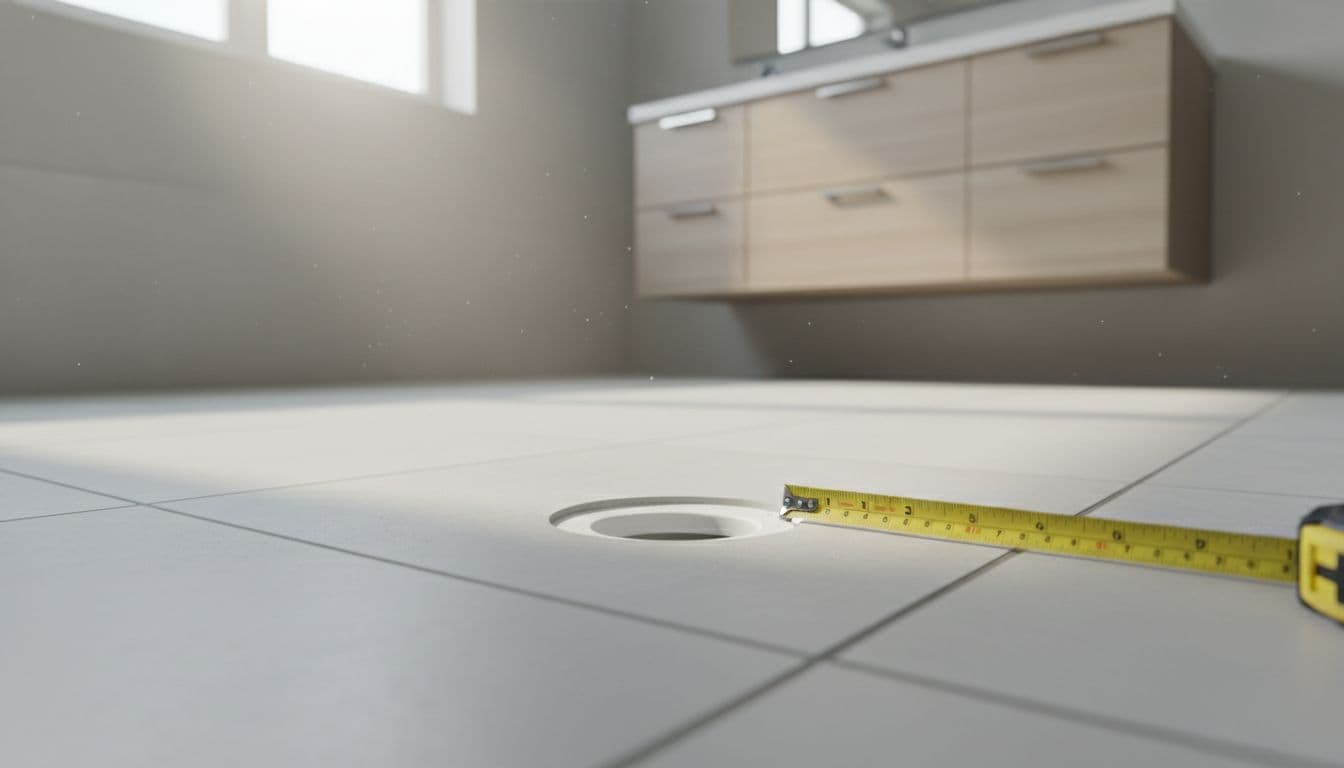
Check flange height: Lay a straightedge across the finished floor and measure down to the top of the flange where the toilet seal sits. If it’s below the floor, you’re in extender territory.
Check the flange condition: If the ring is cracked, rusted through, or spinning, an extender alone might not help.
Check the floor flatness: A single lippage edge on tile or a hump at a vinyl seam can mimic a flange issue. If the toilet rocks even without a wax ring installed, the floor may need leveling or shimming.
The safest, most reliable fix: a toilet flange extender
For many bathrooms after tile or vinyl installation, the cleanest fix is a toilet flange extender (also called a spacer). It raises the sealing surface so the toilet compresses the seal the way it was designed to.
We prefer extenders because they address the root problem instead of “stacking” extra-thick wax and hoping it holds. If you want a clear overview of the process, The Spruce has a solid walkthrough on how to install a toilet flange extender.
How we install an extender without creating new leak paths
Most extender kits are straightforward, but the details matter:
Dry fit first: We confirm bolt slot alignment and verify the toilet will sit flat.
Seal between layers: Many kits call for silicone between the flange and extender to prevent water from seeping into the subfloor.
Use proper fasteners: We anchor into the subfloor when possible, not just the old flange ring. A secure flange helps stop rocking long-term.
Choose the right seal: Once the extender raises the height, we install a new wax ring or a wax-free gasket suited to the final height. We don’t reuse old wax.
For readers who like product specs, Oatey’s Set-Rite toilet flange spacers show the common spacer approach and thickness options.
How we stop a rocking toilet after the flange is corrected
Even with the flange height fixed, some toilets still rock because floors aren’t perfectly flat. Tile can have slight high corners; vinyl can bridge over minor dips. The goal is stability without cracking the base.
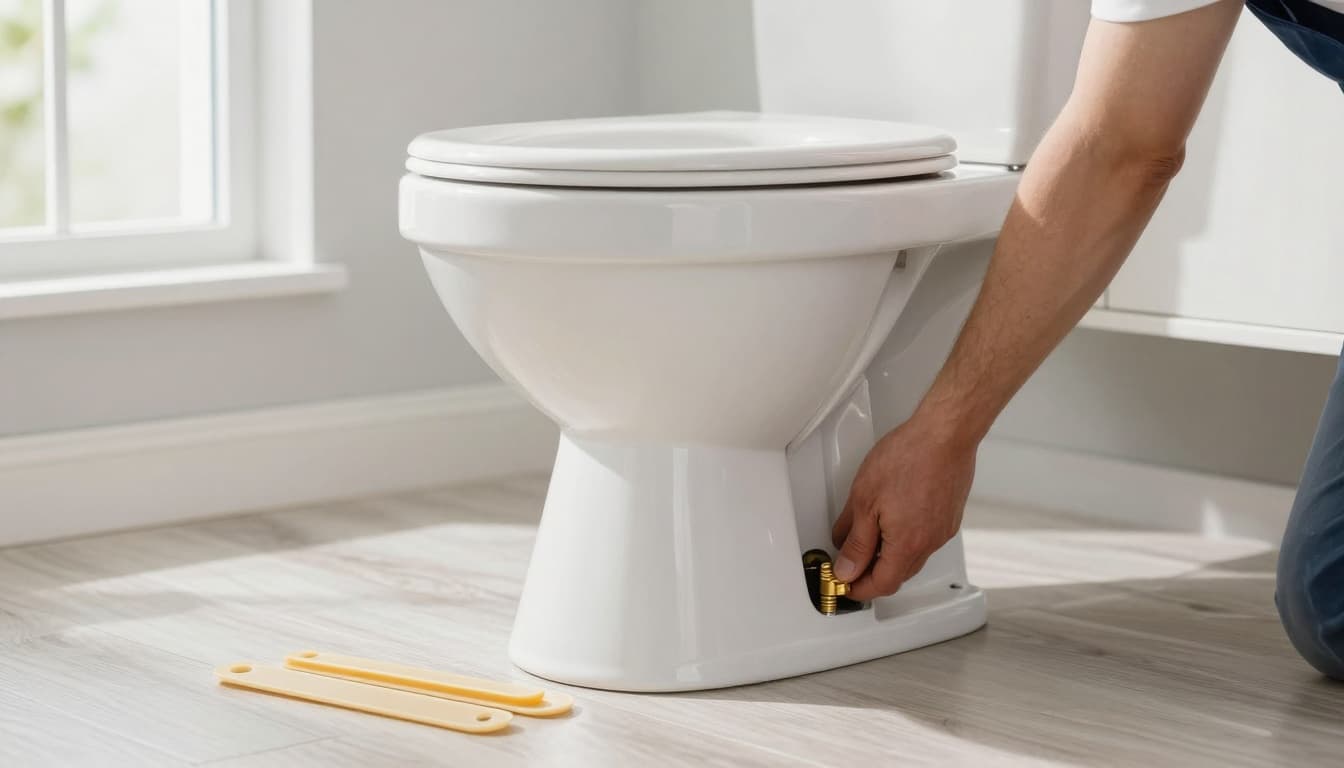
Shims, not over-tightening: We use toilet shims (plastic or composite) to eliminate movement, then trim them neatly.
Even bolt tension: Closet bolts should be snug, not forced. Over-tightening can crack porcelain, and it can distort the seal.
Smart caulk practice: Many installers caulk around the base for hygiene and to reduce mop water intrusion. We often leave a small gap at the back so a future leak can show itself instead of hiding under the toilet.
When an extender is not enough (and what we do instead)
Sometimes the flange isn’t just low, it’s failing. In those cases, “quick fixes” can turn into repeat repairs.
We recommend a deeper repair when:
- The flange is broken, loose, or sits on rotted subfloor
- The drain line has movement, or the flange rocks by itself
- The flange is far below the floor and would require stacking beyond what the kit supports
At that point, the right solution may be a flange replacement, a repair ring, or subfloor repair before the toilet goes back. If we have to open the floor, we also look at the surrounding materials so the new tile or vinyl isn’t covering a problem that will return.
Preventing flange problems during tile and vinyl projects
This issue is common because flooring upgrades change heights in small but important ways: underlayment thickness, thinset build, tile thickness, and transitions at doorways.
If we’re planning a bathroom floor project, we like to consider the flange early, not after the last grout haze wipe. The same discipline that makes tile last also helps plumbing connections last. Our reference point for good prep and standards is the requirements for quality tile installation because a rigid, flat base protects everything above it.
Material choice also matters. If you’re weighing options, our guide on the major difference between vinyl and laminate flooring helps clarify how thickness and underlayment can affect floor height decisions.
And if the project is bigger than a toilet reset, we handle full bathroom surfaces through our Alpharetta bathroom tile installation services, from floors to wet areas.
Local help in Alpharetta and Milton, flooring, stairs, kitchens, and bathrooms
Many homeowners first meet us because of flooring, then keep our number for the next project. We work as the best flooring contractor in alpharetta ga for families who want honest scope, clean work, and stable results. We also support clients as a bathroom remodeling contractor in alpharetta and Milton, a best local kitchen remodeling contractor in alpharetta, and a best kitchen contractor alpharetta when layouts and finishes need more than a surface change.
For tile projects, homeowners call us as a tile installation company Alpharetta. For steps and rail areas, we operate as a Stair company Alpharetta and stair contractor alpharetta. Across these services, our goal stays the same: be the best flooring company alpharetta and milton that people recommend after the dust settles.
For a fast, free estimate, call us at 470-352-1156. If you show us any existing quote from other contractor, we beat it by 5%.
Conclusion
A toilet that rocks after new tile or vinyl isn’t a minor annoyance, it’s often the first sign of a seal that can fail. The safest fix in many cases is a properly installed toilet flange extender, paired with the right seal and solid shimming so the toilet sits still.
If you want the bathroom to feel finished, the base has to be stable and dry. Call us at 470-352-1156 for a free estimate, and let’s solve the leak risk before it becomes floor damage. For wood floors, we’re known as a top hardwood floor sanding contractor in alpharetta.