
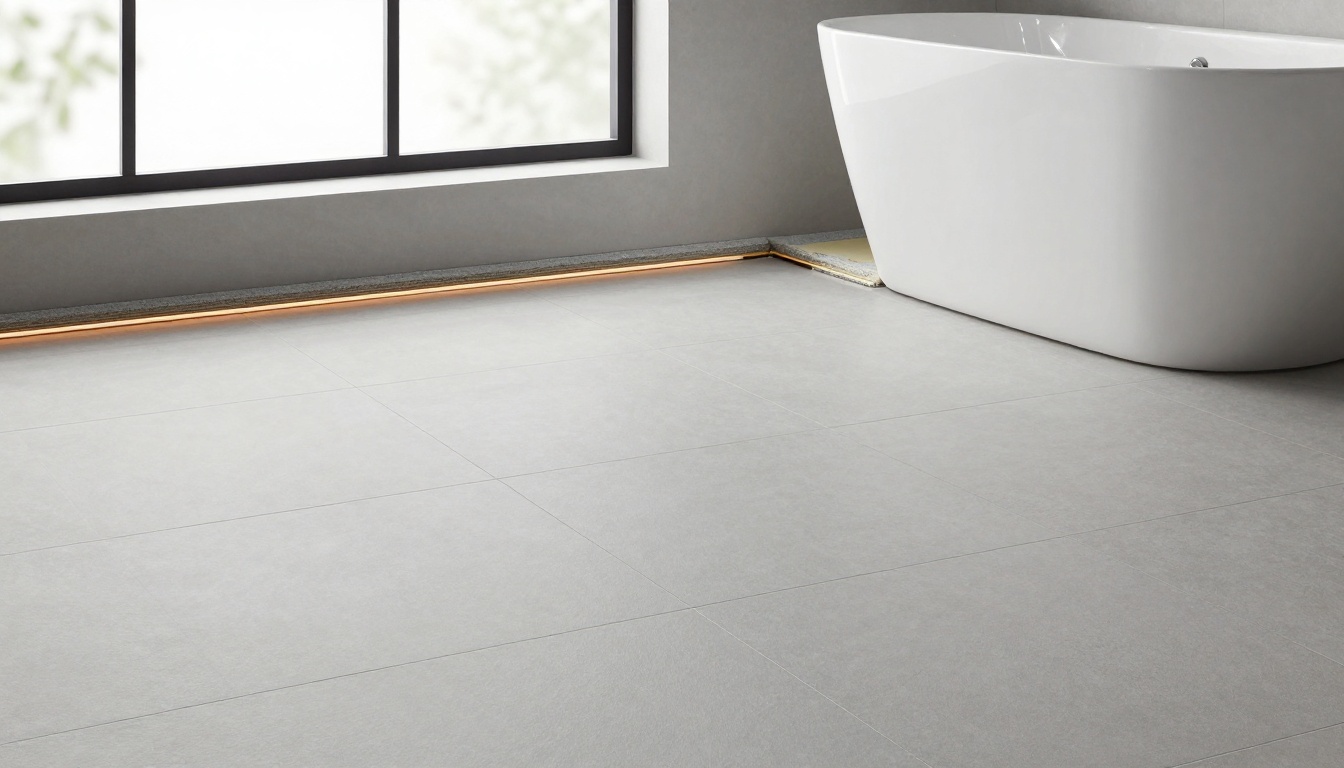
Cold tile on a winter morning can ruin an otherwise beautiful bathroom. A radiant system solves that, but the comfort you feel on the surface depends on what sits underneath it. The right heated floor underlayment keeps the heat moving up, protects tile from cracks, and helps the floor survive daily moisture.
We install heated floors in bathrooms across Alpharetta and Milton, and we see the same problem again and again: the heating system is fine, but the underlayment choice (or the prep work) is not. Below, we break down practical underlayment options and how we select a build-up that lasts.
What a heated floor underlayment actually does in a bathroom
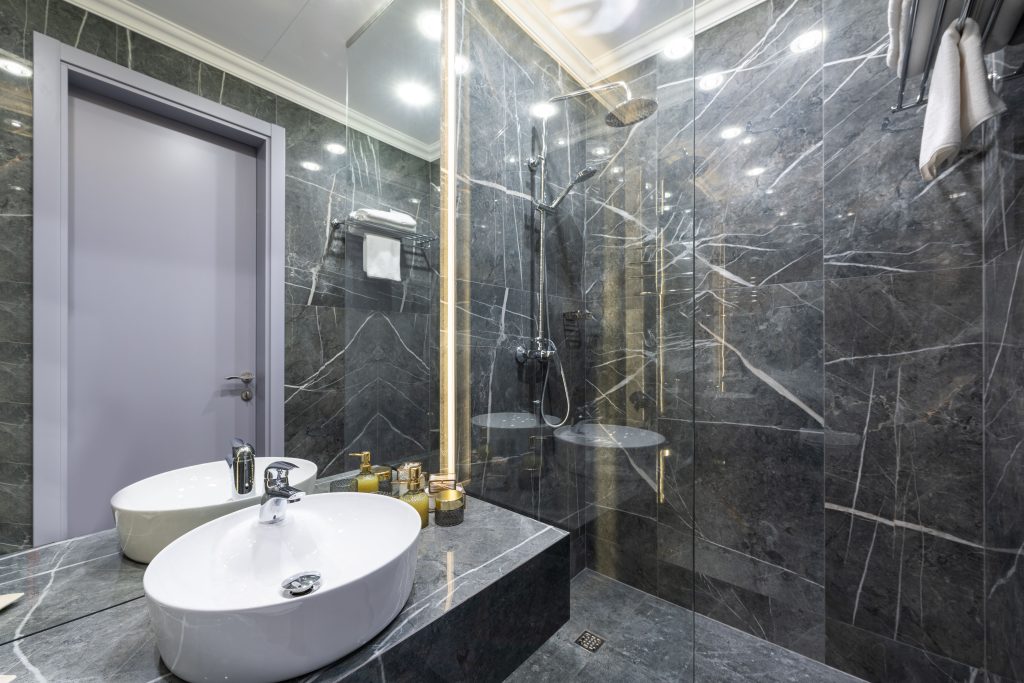
A bathroom floor is a high-stress zone. It deals with humidity swings, minor water exposure, and frequent temperature changes. Underlayment is the “quiet partner” that handles that stress so the finish floor does not have to.
A good heated floor underlayment helps with:
- Bond and stability: It creates the right surface for thinset mortar and tile.
- Movement control: It reduces the chance of cracked grout or tile when the subfloor expands and contracts.
- Flatness: Heated floors perform best when the surface is flat and consistent.
- Moisture management: In bathrooms, we often pair underlayment with waterproofing where needed.
Think of the floor like a layered cake. If one layer is soft, uneven, or poorly bonded, the top layer shows it fast.
The main heated bathroom floor underlayment options
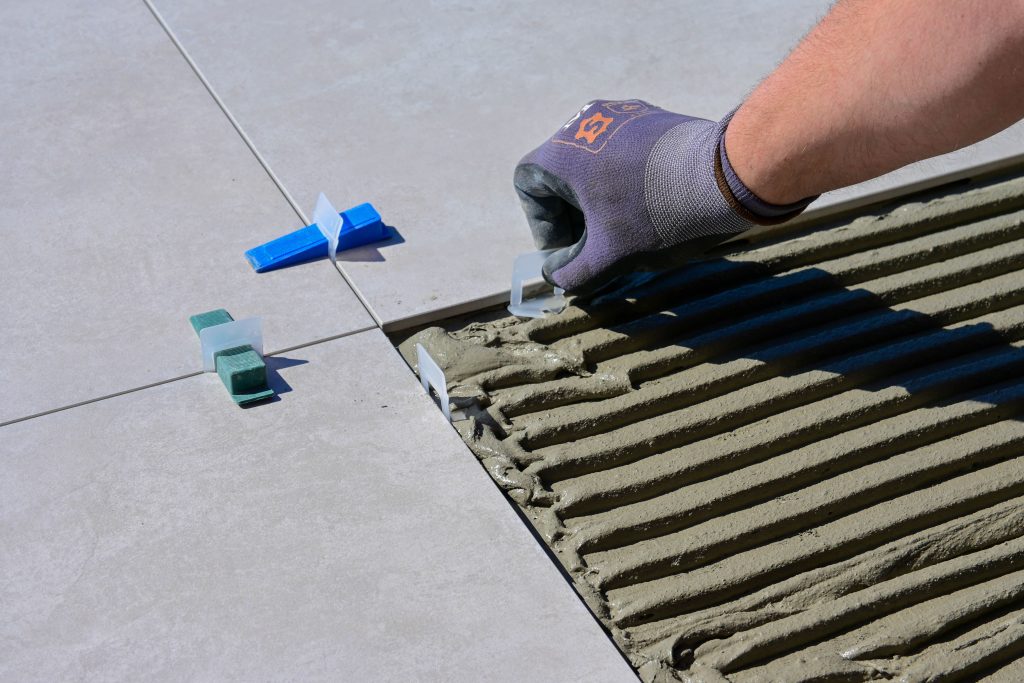
There is no single “best” option for every bathroom. We select materials based on subfloor type, tile size, height limits, and the heating system’s requirements.
Uncoupling membranes (often the most versatile for tile)
Uncoupling membranes are thin sheets that help separate tile from subfloor movement. Many systems also allow heating cable to be embedded in the membrane, which keeps cable spacing consistent and supports the tile layer.
We like this option when:
- The home has a wood subfloor that may move slightly.
- The bathroom uses porcelain tile, stone, or large-format tile.
- Floor height matters and we want a thinner build-up than cement board.
For product education and layout concepts, we often reference manufacturer guidance such as Schluter heated floor systems or a membrane-based approach like WarmlyYours Prodeso membrane and tile guidance. We still follow the exact specifications for the system being installed on your project.
Cement backer board (rigid, familiar, but not a waterproofing layer)
Cement backer board (CBU) is a rigid tile underlayment that improves the surface for thinset and tile. It is common in bathrooms, but it is not a cure-all.
We consider cement board when:
- The subfloor is strong but needs a tile-ready surface.
- The layout does not require a specialty membrane system.
Two important notes: cement board does not add meaningful structural strength to a weak floor, and it is not a waterproofing system by itself. Bathrooms often need targeted waterproofing, especially near wet zones.
Self-leveling underlayment (SLU) (best when flatness is the priority)
Self-leveling underlayment is a pourable compound that helps produce a flat, smooth surface. It can be used to encapsulate heating wires or mats (when the manufacturer permits it) and reduce high and low spots.
We use SLU when:
- The subfloor is uneven and tile would “telegraph” the flaws.
- We need to protect heating cable while creating a clean plane for tile.
SLU is not a casual DIY step. Primer selection, damming, thickness, and cure times matter. If any of those steps go wrong, tile bonding and heat performance can suffer.
Thermal insulation boards (useful when heat loss is a concern)
Some floors benefit from an insulation layer designed to reduce downward heat loss. This can improve responsiveness, especially over concrete or over unconditioned spaces, but it also increases floor height.
If you want a plain-language overview of how underlayments affect heat performance, WarmlyYours’ guide on choosing underlayment for radiant floor heating is a helpful starting point.
Quick comparison: choosing the right stack-up
Underlayment optionBest forWatch-outsUncoupling membraneTile crack resistance, consistent cable placementMust follow approved mortars and coverage requirementsCement backer boardSimple tile-ready substrateAdds height, not waterproof, does not stiffen a weak floorSelf-leveling underlaymentFlattening floors, encapsulating cable (when approved)Prep errors cause failures, needs correct primer and depthInsulation boardReducing downward heat lossAdds height, needs compatible tile assembly above
How we choose the right underlayment for heated bathroom floors
We start with the floor system, not the tile color. The best-looking tile will still fail if the structure and layers are wrong.
Subfloor and stiffness come first. We check for deflection, fastener issues, and damaged areas. If the floor flexes, tile and grout will complain later.
Floor height limits are real. Bathrooms often have tight transitions at the doorway, plus toilet flange height and vanity clearance. A thin membrane system may solve problems that cement board would create.
Moisture strategy matters. Heated floors and bathrooms both involve water. Depending on the layout, we may add waterproofing in wet zones, and we plan transitions so water does not migrate into adjacent rooms.
We follow system requirements. Heating manufacturers specify approved mortars, sensors, and maximum embed depths. When clients ask about membranes, we may share educational resources like DITRA-HEAT membrane installation concepts to explain the “why,” then we apply the requirements that match the exact products selected.
Installation pitfalls we prevent (because they cost the most later)
Most heated floor issues are not electrical failures. They are assembly failures.
- Uneven substrate: Tile needs flatness, and heated floors highlight uneven spots.
- Wrong mortar choice: Some membranes require specific thinset types.
- Poor coverage: Voids under tile can lead to hollow spots, cracked grout, or tile breakage.
- No movement joints: Tile needs room to move, even in small bathrooms.
- Skipping cure times: Heat should not be turned on early, and cure schedules must be respected.
Planning a remodel in Alpharetta or Milton: when to call us
Heated floors often go hand-in-hand with tile work, shower updates, vanity swaps, or stair and hallway transitions. Many homeowners start with searches like best flooring contractor in alpharetta ga, bathroom remodeling contractor in alpharetta and Milton, best local kitchen remodeling contractor in alpharetta, top hardwood floor sanding contractor in alpharetta, tile installation company Alpharetta, Stair company Alpharetta, stair contractor alpharetta, best flooring company alpharetta and milton, and best kitchen contractor alpharetta. We handle these scopes under one roof, which keeps scheduling clean and reduces handoff risk.
If you would like to learn more about our team and how we run projects, see our Alpharetta floor installation services. If you want to review real project finishes before choosing materials, browse our Alpharetta flooring gallery.
For a free estimate, call us at 470-352-1156. If you show us any existing written quote from another contractor for the same scope and comparable materials, we beat it by 5%.
Conclusion: comfort is the payoff, structure is the secret
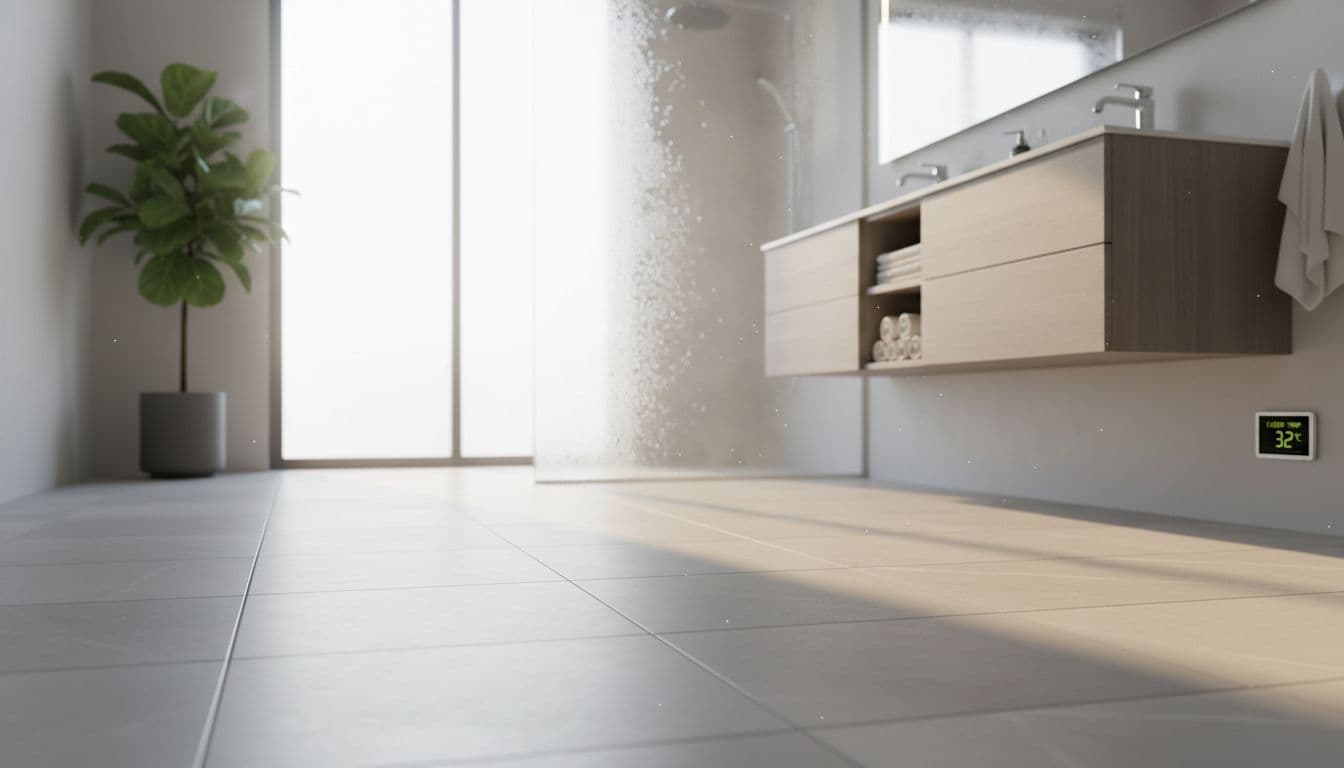
A reliable heated bathroom floor is built from the bottom up. The right heated floor underlayment supports the heating system, protects tile, and keeps the room feeling calm and comfortable for years. If you are planning a heated floor as part of a bathroom update in Alpharetta or Milton, we are ready to help you choose the right layers and install them the right way. Call 470-352-1156 to schedule your free estimate and compare options with confidence.