
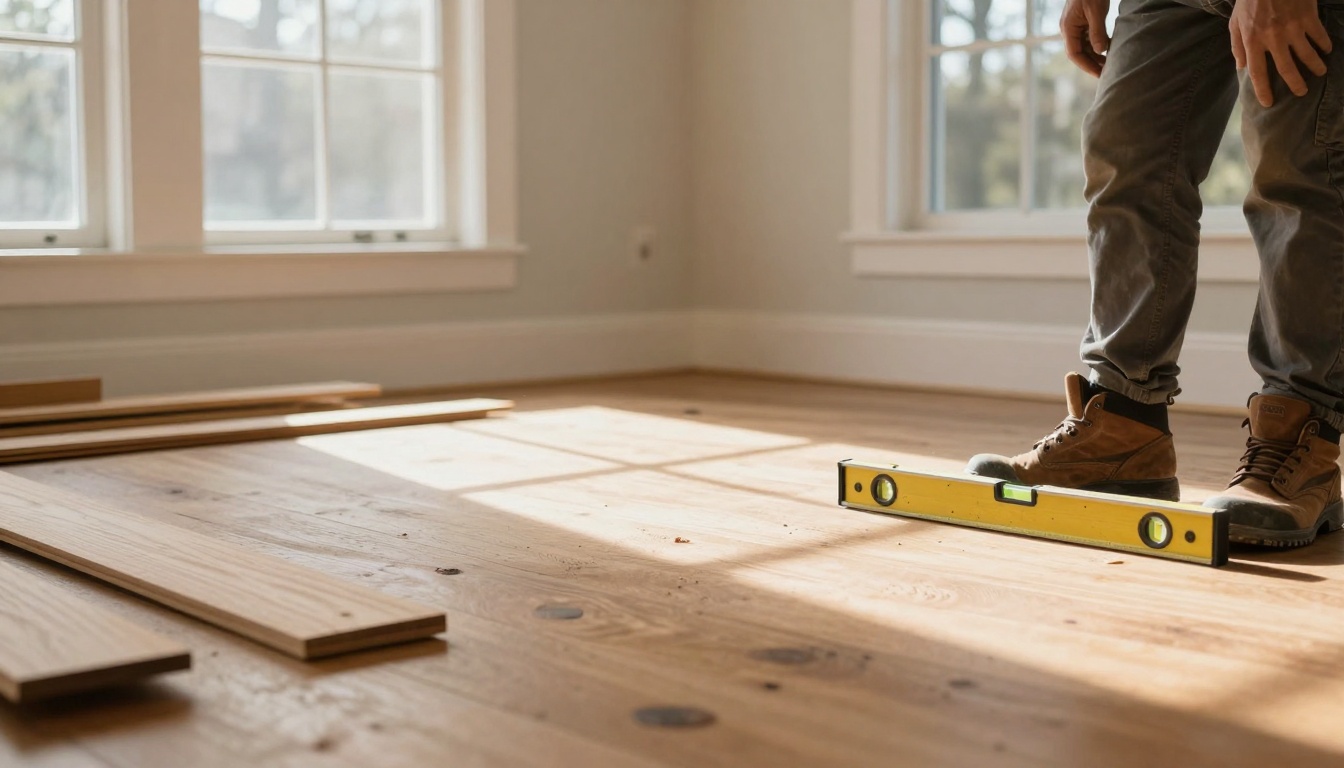
A new hardwood floor can look flawless on day one, then start to squeak, bounce, or gap a few months later. In many older homes, the real issue is not the wood on top. It is what sits underneath.
Before we install hardwood, we treat the subfloor like a foundation. If it is weak, wet, or uneven, the best hardwood in the world will still telegraph problems. That is why subfloor repair Alpharetta projects are often the difference between a floor that lasts and a floor that frustrates.
If you want a clear plan and a free estimate, call us at 470-352-1156. If you show us an existing quote from another contractor, we beat it by 5%.
Why subfloor repairs come before any hardwood installation
Hardwood is strong, but it is not forgiving. When the surface beneath it is uneven, the boards can rock slightly as you walk. Over time, that movement can cause squeaks, loosened fasteners, cracked filler, and visible gaps at seams.
We also look closely at moisture. Older Alpharetta homes can have crawlspaces, older plumbing runs, and past leaks that were “fixed” above the surface. Hardwood reacts to moisture changes by swelling or shrinking, so we do not install over a subfloor that is damp or stained until the source is addressed.
Most hardwood product instructions also require the subfloor to be flat within a tight tolerance. We follow the flooring manufacturer’s specifications for the specific material you choose, because small dips and peaks can turn into big problems once the floor is locked together.
For homeowners comparing options, we often recommend reading a practical overview of subfloor preparation steps for flooring installation so the “why” behind the work is clear.
Common subfloor problems we find in older Alpharetta homes
In older neighborhoods, we see patterns. Some issues come from time and traffic. Others come from water, insects, or past repairs that did not address the structure.
Here is a quick guide to the most common warning signs.
| What you notice | Likely cause under the floor | What we usually do before hardwood |
|---|---|---|
| Squeaks or chirps when walking | Loose panels, missed joists, nail movement | Re-fastening with screws, adhesive where needed |
| Soft or spongy spots | Water damage, delamination, rot | Remove and replace affected subfloor sections |
| Dips, slopes, or “wavy” areas | Joist sag, settlement, poor patching | Leveling plan, blocking, sistering joists when required |
| Cracked tile or loose grout nearby | Subfloor flex, weak framing | Stiffen framing and rebuild the subfloor correctly |
| Musty odor near floors | Moisture in crawlspace or past leaks | Moisture testing, ventilation or barrier recommendations |
If you want a deeper description of when replacement is more appropriate than patching, this local overview of subfloor replacement in Alpharetta helps explain the typical triggers (we still confirm conditions in person, since every home is different).
How we inspect subfloors before we install hardwood
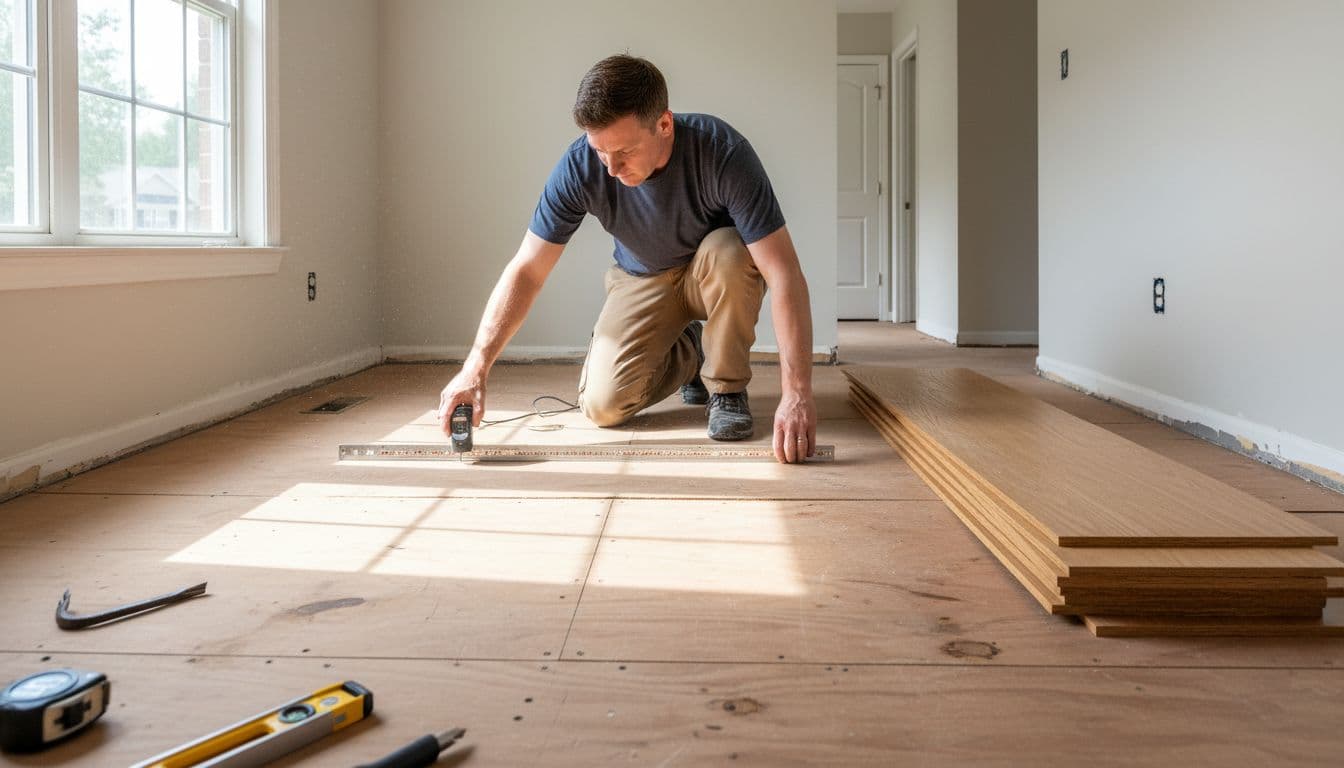
When we arrive for an estimate, we do not guess. We inspect. The goal is to spot problems early, when they are cheaper to fix and easier to schedule.
Our subfloor inspection usually includes:
Flatness checks: We use straightedges and levels to locate high seams, low spots, and uneven transitions at doorways and hallways.
Moisture checks: We test suspected areas and look for staining, swelling, or delamination in plywood or OSB.
Sound and movement checks: We walk the floor to find squeaks, bounce, and “drum” sounds that suggest a loose panel or a gap at the joist.
Access review: When available, we look from below in crawlspaces or basements to see joist condition, notching, old plumbing leaks, and insulation or vapor barrier issues.
As a flooring contractor in alpharetta ga, we treat this step as part of the install, not an add-on. It protects your finish floor and helps avoid change orders later.
The repairs that matter most before hardwood goes down
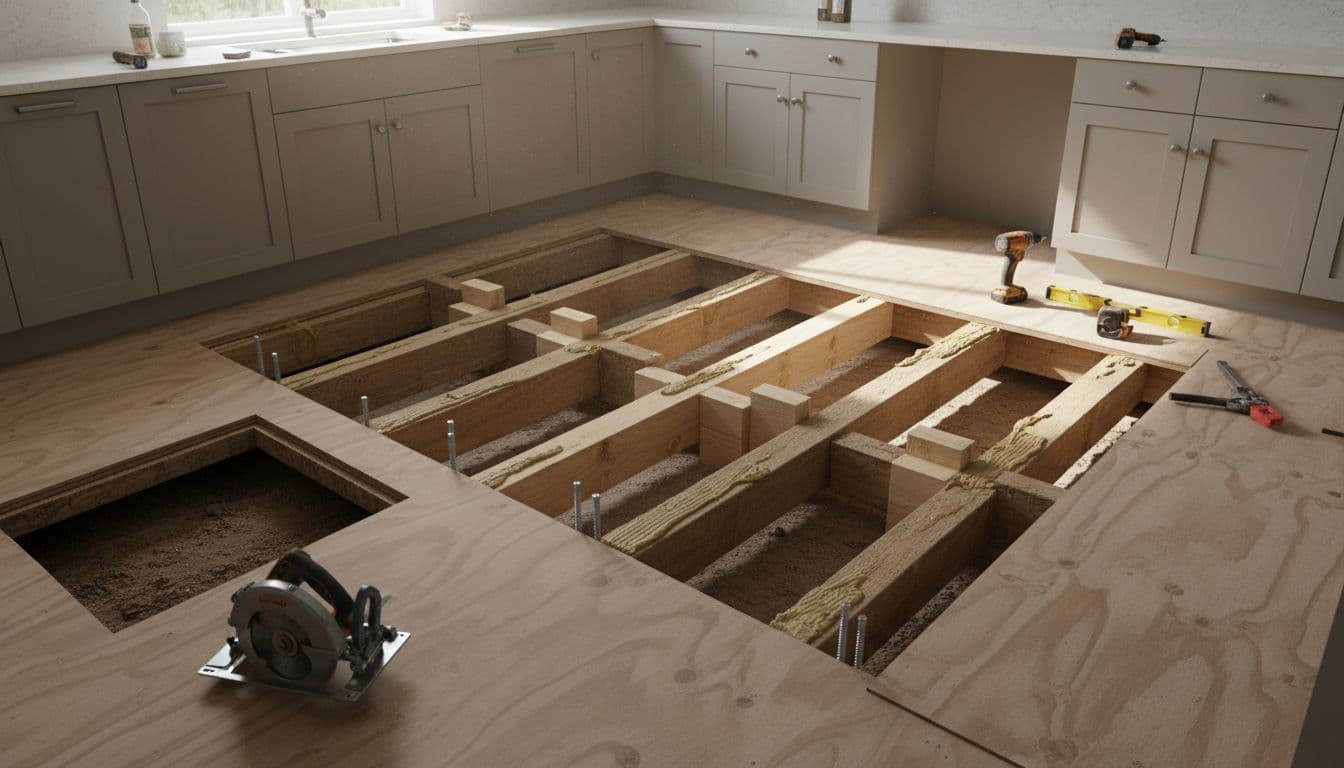
Some repairs are small and surgical. Others require opening the floor to correct structure. Either way, we focus on fixes that directly affect hardwood performance.
Re-fastening and de-squeaking: Older subfloors often have nails that have backed out slightly. We add screws into joists and address panel edges so the floor stops rubbing and moving.
Panel replacement: If the subfloor is soft, swollen, or crumbling, we cut back to solid material and replace the damaged section with the proper thickness and fastening schedule.
Joist stiffening: When the problem is not the panel, but the framing, we may add blocking or sister joists to reduce bounce. Hardwood feels better underfoot when the structure is stiff.
Flattening strategy: We correct high seams and uneven patches, then bring low areas into tolerance using the right leveling approach for the job. The goal is a stable, flat plane, not a quick cosmetic skim that cracks later.
This is also where planning matters. If a home needs structural work, we would rather schedule it upfront than install hardwood and hope for the best.
Bathrooms, kitchens, and stairs: where subfloors fail first
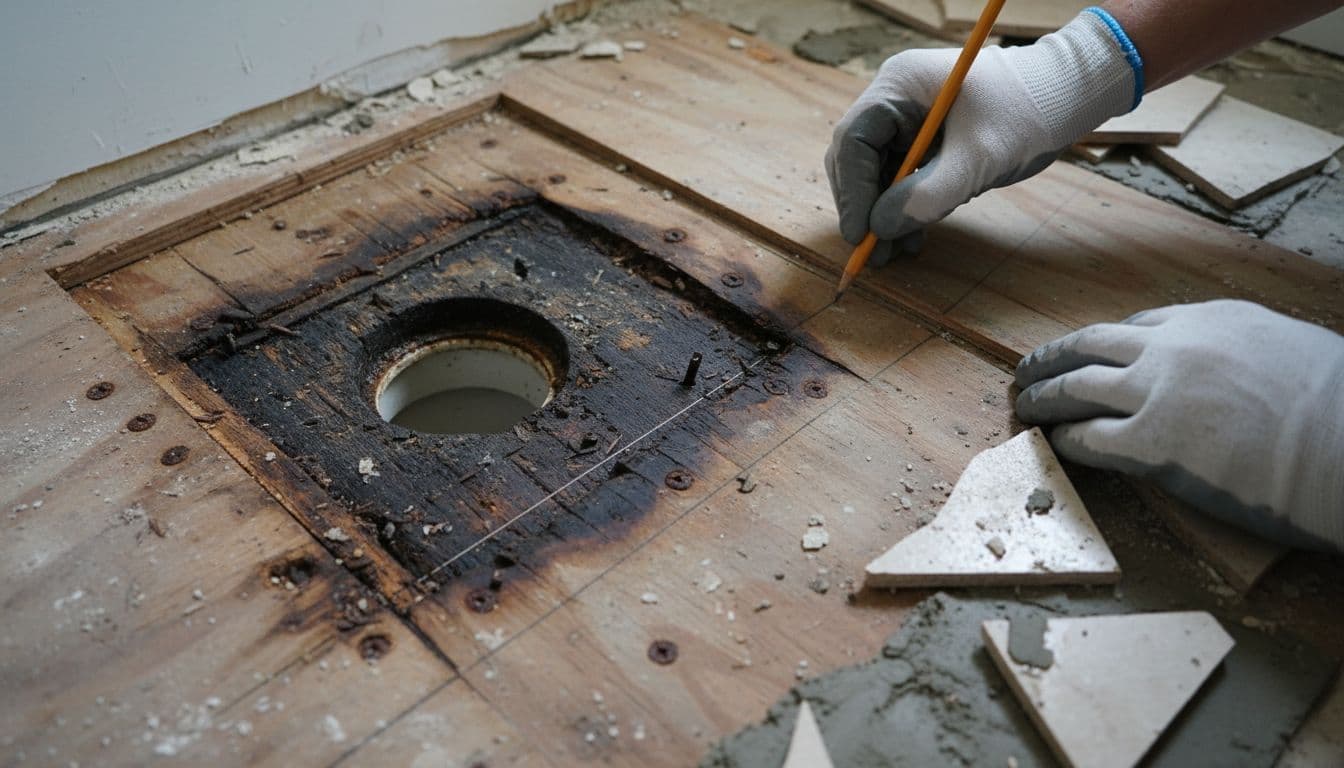
Bathrooms and kitchens are the “splash zones” of a home. A slow toilet leak can ruin a wide area of subfloor before it is visible. Dishwashers and sink cabinets can hide staining for years. When hardwood will run near these spaces, we verify that the subfloor is clean, dry, and solid.
If we are working as a bathroom remodeling contractor in alpharetta and Milton, we often rebuild the subfloor around toilets, tubs, and shower entries before new finishes go in. That step supports tile, keeps transitions even, and reduces the chance of grout cracking from flex.
In kitchens, our role as a local kitchen remodeling contractor in alpharetta often includes correcting weak areas near islands, refrigerators, and sink bases where loads are high and small leaks are common.
Stairs also deserve attention. If stair treads squeak or flex, we address framing and fastening so the new finish does not amplify noise. A quiet staircase is not an accident, it is preparation.
After the repair: how we protect your hardwood investment
A repaired subfloor is the start, not the finish line. After repairs, we keep the jobsite conditions steady and align the installation method with your floor type.
We focus on:
Material acclimation: We let wood adjust to the home’s conditions per product guidance.
Correct underlayment or vapor control: We install the right layer based on subfloor type and the flooring system.
Clean transitions and expansion gaps: Wood needs room to move. We plan for that at walls, thresholds, and fixed cabinetry.
After installation, many homeowners want the look to feel consistent across old and new areas. If refinishing is part of your plan, we can also support the project as your hardwood floor sanding contractor in alpharetta, so the final surface looks uniform and intentional.
Conclusion
Hardwood should feel solid, quiet, and level, not like a cover over hidden problems. In older Alpharetta homes, subfloor repairs are often the work that makes the visible work succeed, especially near bathrooms, kitchens, and high-traffic paths.
For a free estimate, call us at 470-352-1156. If you show us an existing quote from another contractor, we beat it by 5%. Let us fix the subfloor correctly now, so your hardwood can perform the way it should for years.