
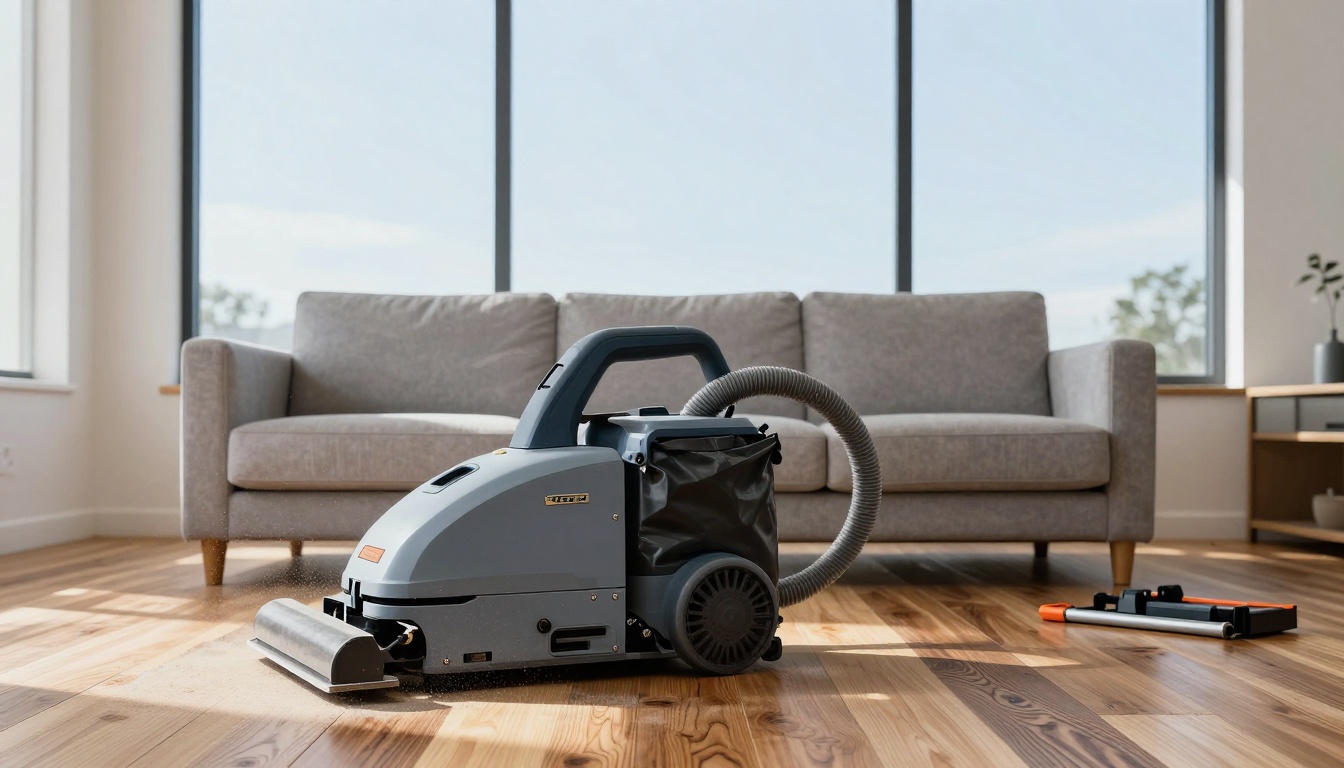
Hardwood floors should feel solid and clean underfoot, not scratched, dull, or coated in years of wear. When the surface starts to look tired, dustless floor sanding is often the best way to bring the wood back without turning your home into a powdery mess.
Even with modern dust-control systems, sanding is still a real construction process. It makes noise, it changes how your home smells for a bit, and it requires planning. Below, we walk through what we typically see inside occupied homes, so you can prepare with confidence and avoid surprises.
What “dustless” hardwood floor sanding really means
Dustless sanding does not mean zero dust. It means we connect professional sanding machines to high-powered vacuums, use sealed collection bags, and control airflow so most fine particles are captured at the source.
A simple way to picture it: the sander acts like a strong vacuum that happens to remove wood. This approach reduces airborne dust and the gritty film that used to settle on window sills, shelves, and vents.
For a helpful overview of why the method matters and how it works, we often point homeowners to this explainer on dustless sanding hardwood floors.
Noise: how loud it gets, and how long it lasts
Sanding is not quiet. The sound is steady and mechanical, similar to a shop vacuum mixed with a lawn tool, and you’ll hear it through walls. Edging tools can be sharper in tone because they work along baseboards and corners.
What we see in most homes:
- The loudest noise happens during the first sanding passes, when we remove old finish.
- Noise comes in waves, not all day nonstop. There are pauses for vacuuming, checking the floor, and changing grits.
- If you work from home, plan to be out or in a far room during active sanding hours.
If you have babies, night-shift sleepers, or noise-sensitive pets, it is wise to schedule a short “away window” during sanding and the first coat application. We can help plan that around your routine.
Smell: what you’ll notice, and what affects it most
Homeowners often expect dust to be the biggest issue, then they’re surprised by odor. The smell usually comes from the finish, not the sanding. Wood dust has a mild scent, but coatings can be noticeable for a few days.
Odor depends on three main factors:
Finish type: Water-based finishes tend to have lower odor than oil-based finishes. Oil-based finishes can smell stronger and linger longer.
Ventilation: Open windows, running fans, and keeping interior doors open (when safe) helps move fumes out. We also recommend turning off HVAC intake during active sanding to avoid pulling particles into ductwork, then replacing filters after the job.
Coats and dry time: More coats can mean more odor time, even if each coat is mild.
For a general sense of what homeowners report during sanding and finishing, Bona’s homeowner guide on what to expect when sanding and finishing hardwood floors offers a useful baseline.
Cleanup: what we protect, what we clean, and what “normal” looks like afterward
Dustless systems reduce cleanup a lot, but good prep and containment still matter. Before sanding begins, we typically protect what can trap dust and spread it:
- We will try to isolate work zones with plastic barriers when needed.
- We will try to turn off AC and cover returns or protect vents based on your HVAC layout.
- We remove or protect rugs, floor registers, and fragile décor near the floor.
After sanding, we vacuum thoroughly (including edges) before finish goes down. Once coats are applied, we keep traffic limited so you do not grind particles into a wet surface.
What you might still see, even with dustless sanding:
A light film in nearby rooms: It is usually minimal, but older homes with leaky doorways or open floor plans can allow some drift.
Dust in hidden spots: Think closet corners, behind doors, and inside floor vents if they were uncovered before we arrived.
Tracking marks if someone walks through work areas: We set clear rules for foot traffic, but one quick trip across the floor in the wrong shoes can undo careful cleaning.
If you want another homeowner-oriented checklist of what the process feels like day to day, this guide on what to expect when sanding and refinishing your floors is a practical read.
Timeline: a realistic schedule for sanding, staining, and finishing
Most full sand and refinish projects take several days because floors need time to dry between coats. Buff-and-coat jobs can be faster, but they are not the same as sanding down to raw wood.
Here is a typical timeline we see for a full refinish in an occupied home:
| Project phase | What happens in your home | What you should plan for |
|---|---|---|
| Day 1 | Prep, repairs as needed, first sanding passes | Noise, restricted access, furniture moved |
| Day 2 | Final sanding, detail edging, vacuum and tack | Noise continues, floors look raw and pale |
| Day 3 | Stain (if chosen) and first finish coat | Noticeable odor, limited access |
| Day 4 | Additional finish coat(s) | Lower noise, more odor control and drying time |
| Day 5 (as needed) | Final coat, cure planning, punch list | Do not rush rugs and heavy furniture |
Dry and cure are not the same thing. Many finishes allow light sock-only walking after a set period, but full hardness takes longer. We advise clients to wait before placing rugs, dragging furniture, or doing heavy cleaning. If your household needs faster return-to-service, we can discuss finish options that fit that goal.
How to prepare your home so the job stays clean and predictable
Small steps before we arrive can protect your belongings and shorten your disruption.
Clear the floors completely: Shoes, baskets, dog beds, plants, and floor lamps should be out of the work area.
Plan for “no-go” zones: Choose a bathroom, sleeping area, and entry route you can use without crossing wet finish.
Protect sensitive items: If you have open shelving, nearby electronics, or artwork close to the floor, move it or cover it.
Make a pet plan: Pets and wet finish do not mix. Nails and fur are the usual problems, not bad behavior.
Choosing the right contractor in Alpharetta for sanding and beyond
Dust control is only one part of a successful refinish. The real quality shows up in flat floors, clean edges, even stain, and a finish that holds up to daily life. When homeowners hire us as a hardwood floor sanding contractor in alpharetta, we focus on the full system: prep, sanding sequence, dust collection, and finish selection.
Many of our clients also want one team that can handle related upgrades. If you are comparing options for a flooring contractor in alpharetta ga, it helps to choose a group that can coordinate floors with stair updates, trim, and room-to-room transitions. The same is true if your project overlaps with remodeling plans, such as working with a bathroom remodeling contractor alpharetta or a kitchen remodeling contractor in alpharetta, where timing and dust control affect cabinets, paint, and fixtures.
For scheduling and pricing, we keep it simple. Call us at 470-352-1156 for a free estimate. If you show us any written quote from another contractor, we beat it by 5%.
Conclusion
Dustless floor sanding is still a major home project, but it does not have to feel chaotic. When you know what to expect from noise, smell, cleanup, and timeline, you can plan your week and protect your home with less stress. If you are ready to restore your hardwood floors in Alpharetta or Milton, call us at 470-352-1156 for a free estimate, and bring any existing quote so we can beat it by 5%.